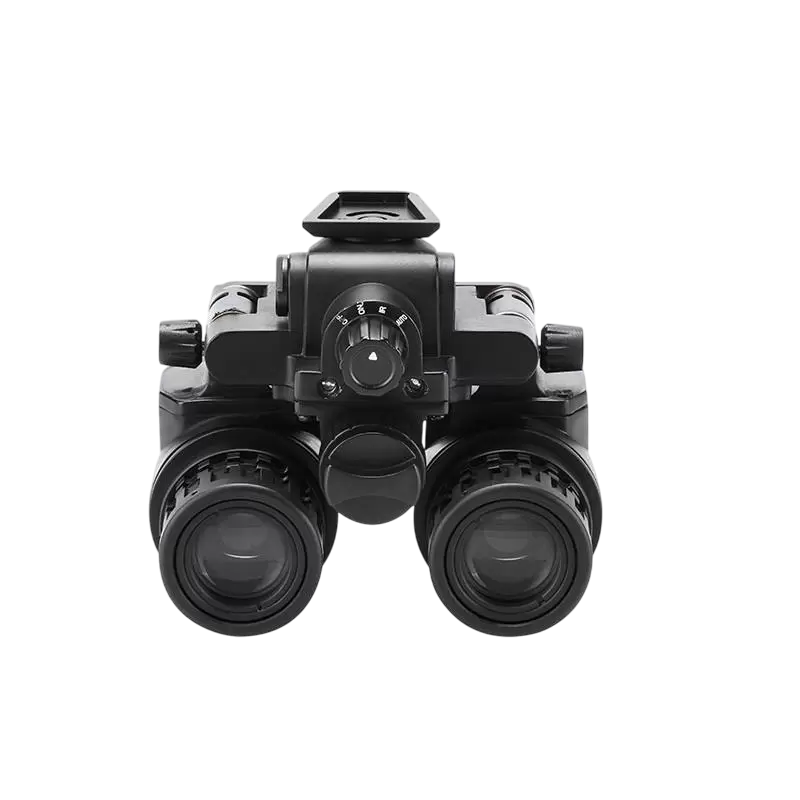
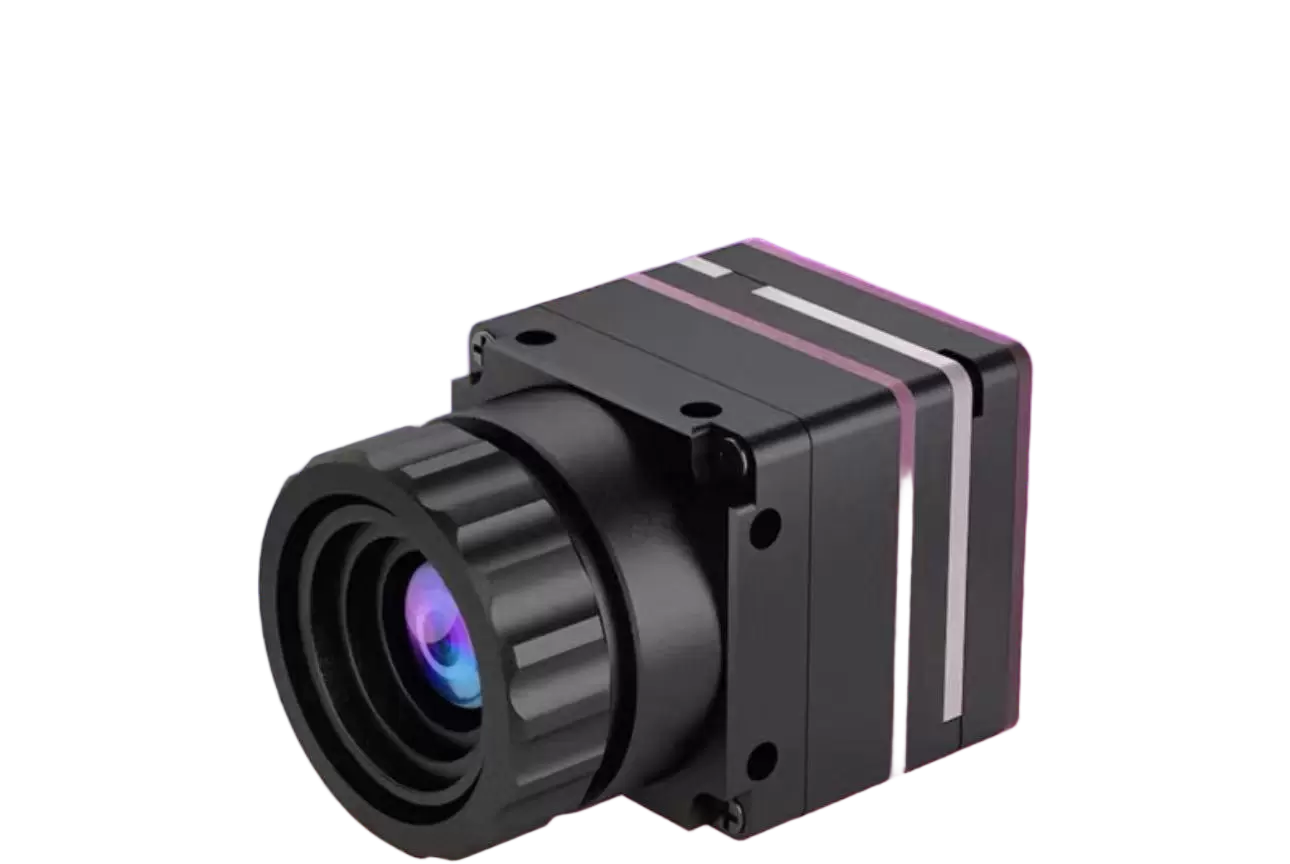
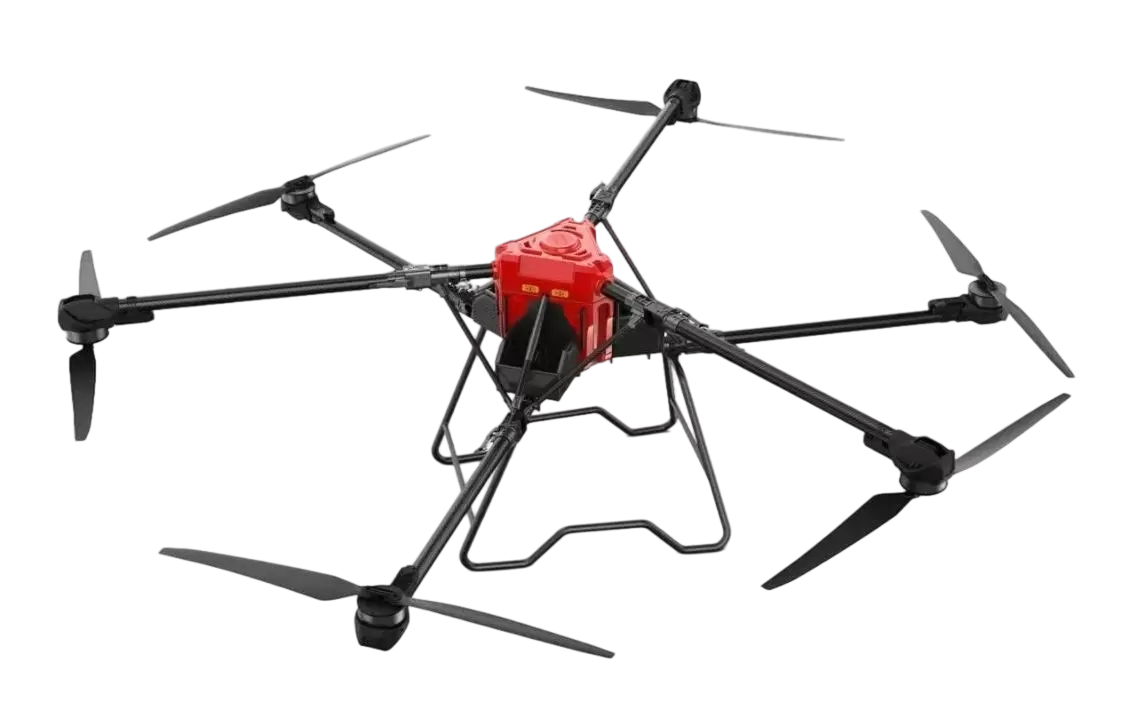
The performance of a thermal fusion night vision system is not determined by sensor resolution alone. In UAV-based fire rescue applications, the real challenge lies in maintaining alignment stability, temporal synchronization, and environmental robustness under continuously changing flight conditions.
A thermal fusion system must operate as a tightly synchronized architecture where optical, thermal, and computational subsystems function in real time without drift, delay, or distortion.
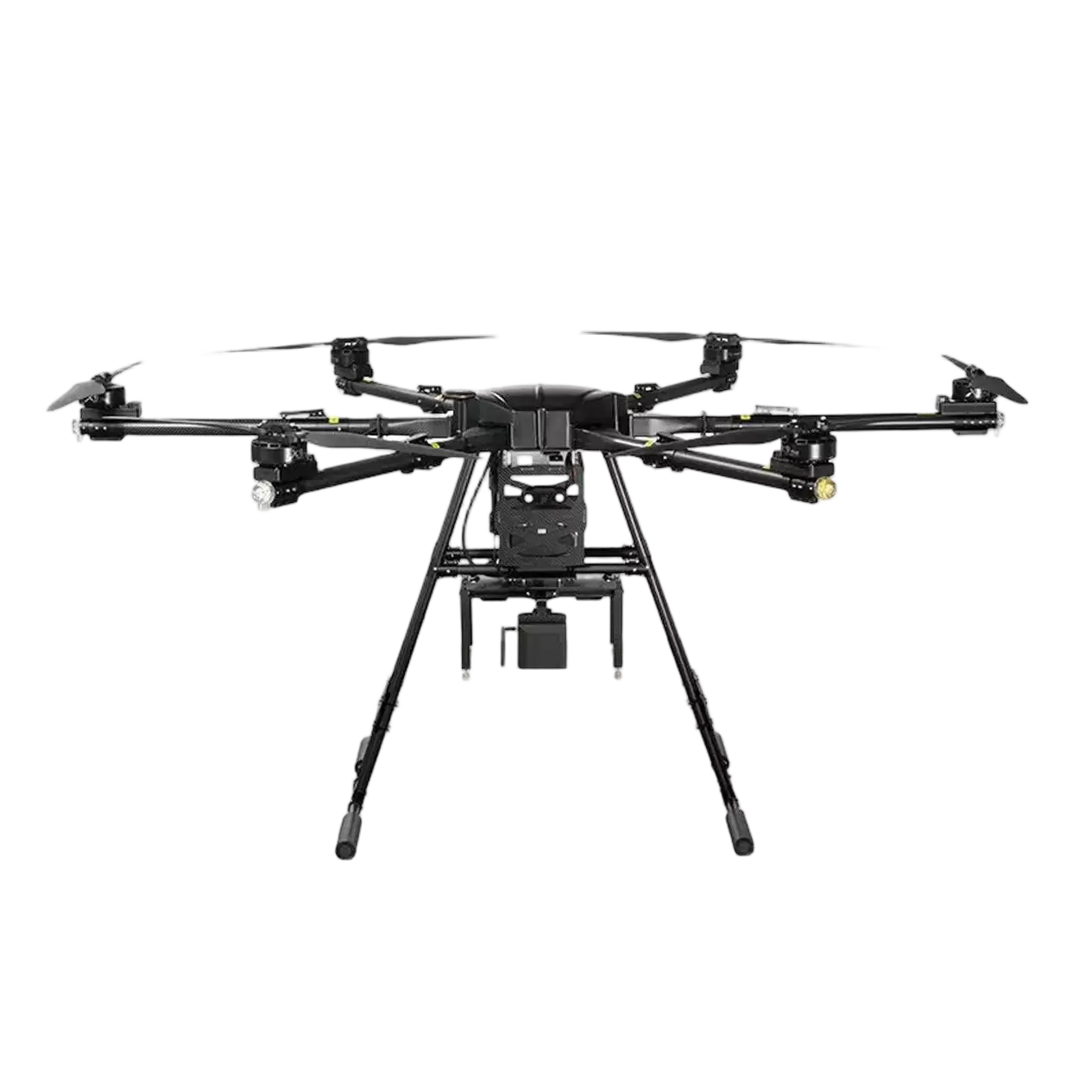
Jiangxi BonSure Technology Co., Ltd integrates these systems into fire rescue UAV platforms designed for high-load, high-vibration, and low-visibility environments.
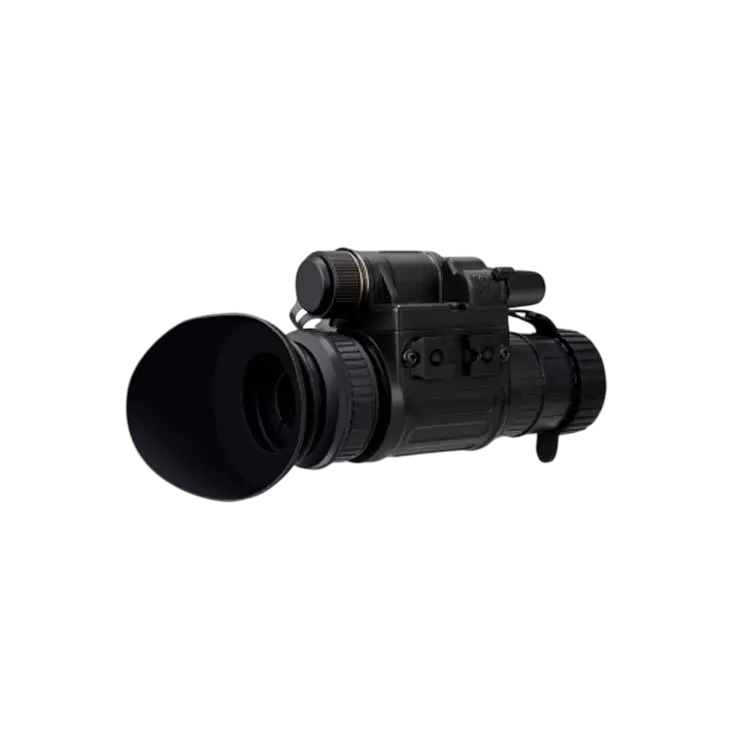
1. Multi-Sensor Calibration Architecture
Thermal fusion systems rely on precise calibration between:
- Thermal infrared module
- Visible light imaging sensor
- Processing unit (fusion engine)
1.1 Spatial Calibration
Ensures that pixel coordinates from both sensors align within sub-pixel accuracy. Even a 1–2 pixel offset can cause misinterpretation of object location in dense environments.
1.2 Lens Distortion Correction
Each sensor has unique optical distortion characteristics. Calibration compensates for:
- Barrel distortion
- Perspective misalignment
- Edge curvature deviation
1.3 Temporal Synchronization
Both sensors must capture frames within tightly controlled time windows. Any delay mismatch results in motion artifacts during fusion.
2. Latency Constraints in Real-Time UAV Operations
Latency is one of the most critical system-level constraints.
Thermal fusion night vision systems typically target:
- Sensor capture delay: <10ms
- Processing fusion delay: 30–80ms
- Total system latency: <100ms
In fire rescue UAV operations, latency directly impacts:
- Obstacle avoidance response
- Target tracking accuracy
- Flight path correction timing
A system exceeding 150ms latency introduces perceptual lag that can compromise mission safety.
3. Environmental Stress Factors
Fire environments are highly unstable and impose multiple stress conditions:
3.1 Thermal Variation
Rapid temperature changes affect sensor calibration drift.
3.2 Smoke Density Fluctuation
Optical visibility changes dynamically, requiring adaptive fusion weighting.
3.3 Vibration and Shock
UAV movement introduces mechanical instability affecting image alignment.
Without compensation systems, these factors degrade fusion quality significantly over time.
4. Adaptive Fusion Algorithms
Modern thermal fusion systems use adaptive weighting models:
- Thermal priority increases in low-visibility conditions
- Optical priority increases in structurally clear environments
- Hybrid weighting during transitional conditions
This ensures that the system continuously adapts to environmental variability rather than relying on fixed blending ratios.
5. UAV Platform Integration Requirements
Thermal fusion systems depend heavily on UAV platform stability:
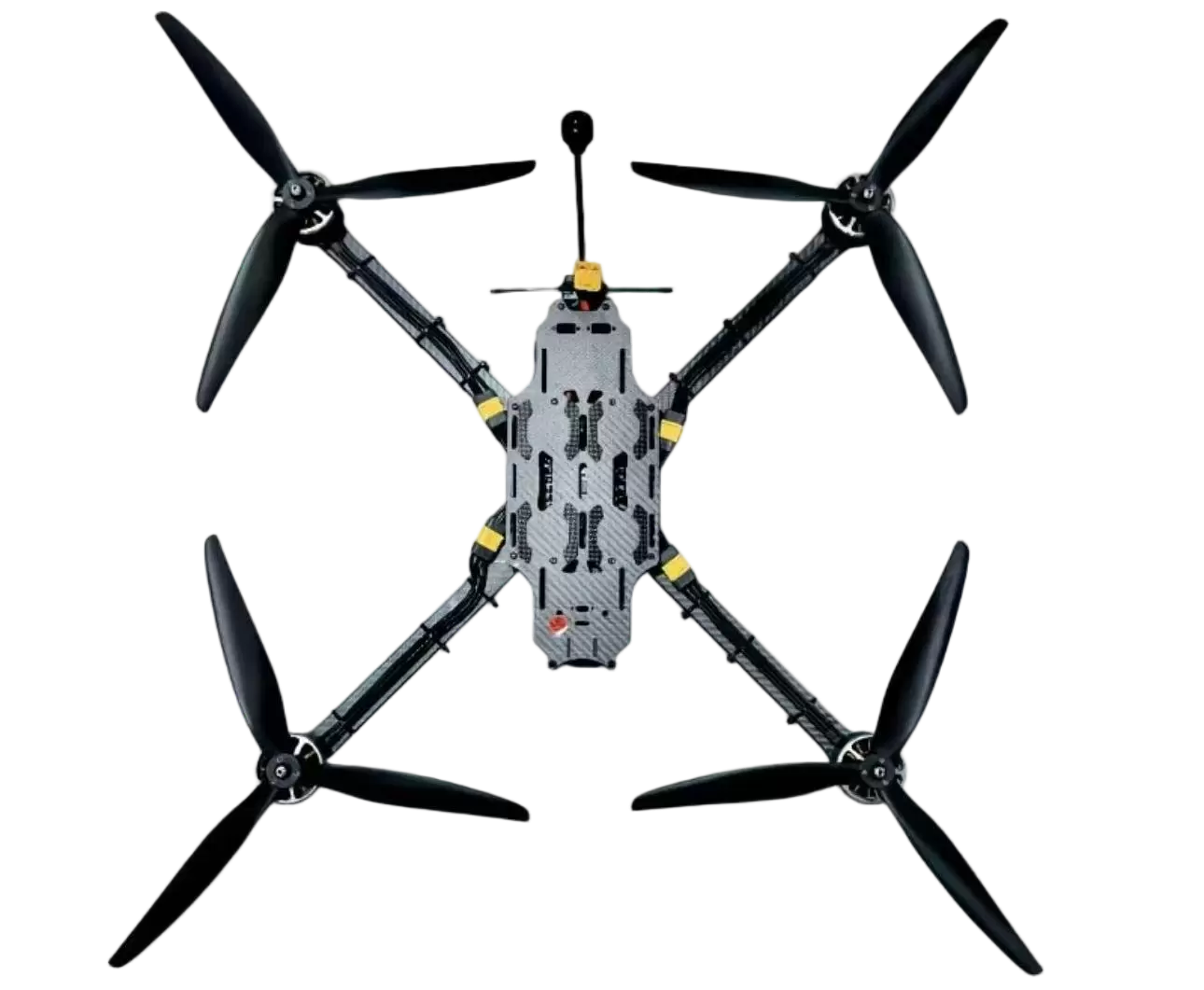
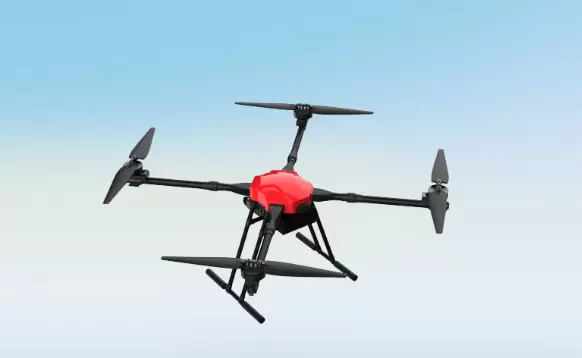
Jiangxi BonSure UAV systems incorporate:
- High-efficiency brushless motors for stable thrust output
- Low-vibration flight control systems
- Payload stabilization mounts
Motor efficiency directly influences imaging stability. High-frequency vibration can introduce micro-shifts in sensor alignment, reducing fusion precision.
6. Reliability Under Continuous Operation
Fire rescue missions often require extended flight durations.
System requirements include:
- Continuous operation stability >90 minutes
- No calibration drift during flight cycles
- Stable thermal response under battery discharge variation
Reliability is achieved through combined mechanical stability and software compensation.
7. Conclusion: Engineering Precision Defines System Performance
Thermal fusion night vision systems are highly sensitive integrated platforms where performance depends on:
- Calibration precision
- Latency control
- Environmental compensation
- UAV stability
Jiangxi BonSure’s integrated engineering approach ensures that imaging systems, propulsion units, and control algorithms operate as a unified system, enabling reliable aerial intelligence in extreme fire rescue environments.