In an increasingly security-conscious world, ensuring safety after dark has never been more critical. Night vision camera technology has emerged as a game-changer, providing clear visibility in low-light and nighttime conditions. From residential security to industrial surveillance and emergency response operations, these cameras are revolutionizing how we monitor and protect our surroundings.
Understanding Night Vision Camera Technology
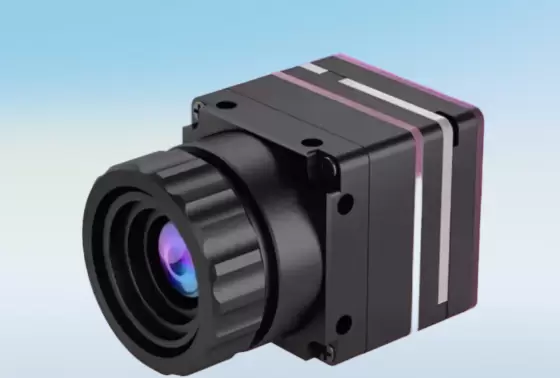
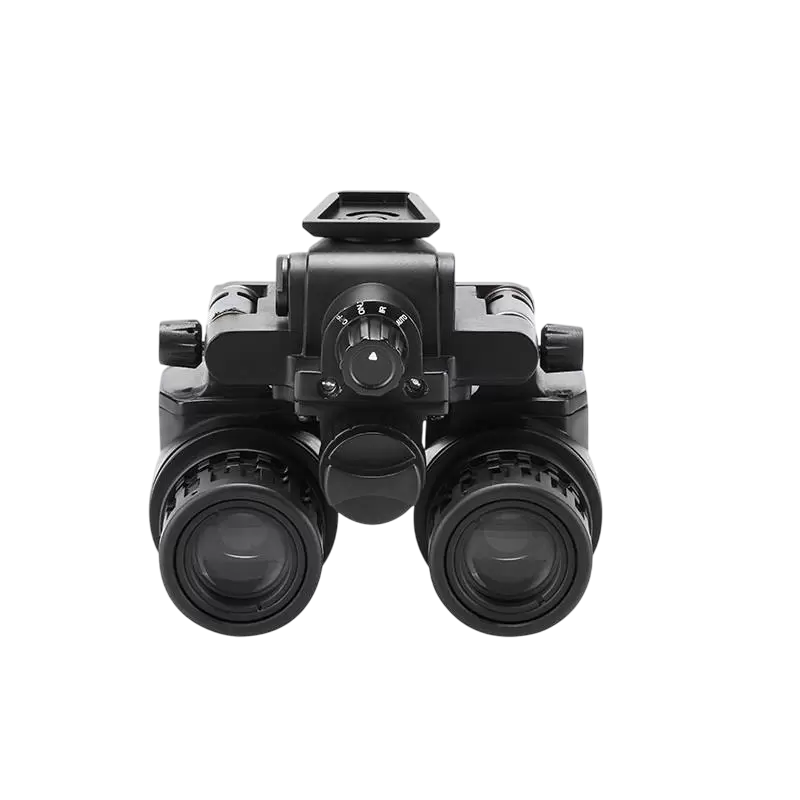
Night vision cameras work by capturing light that is invisible to the human eye, often using infrared (IR) LEDs or thermal imaging sensors. Traditional IR-based cameras illuminate a scene with infrared light, allowing the camera to capture sharp images even in complete darkness. Advanced models incorporate enhanced low-light sensors, enabling them to deliver detailed visuals without relying solely on IR illumination.
Key features of night vision technology include:
Infrared Night Vision: Ideal for most residential and commercial applications, offering clear images in total darkness.
Thermal Imaging: Detects heat signatures, making it useful in firefighting, rescue, and industrial inspections.
Low-Light Enhancement: Reduces noise and enhances image quality in dimly lit environments.
Applications of Night Vision Cameras
Night vision cameras are versatile tools that enhance safety across multiple scenarios:
Residential Security: Monitor driveways, entrances, and backyards after dark.
Commercial Surveillance: Protect warehouses, factories, and large facilities.
Emergency Response: Aid rescue operations, disaster management, and firefighting missions.
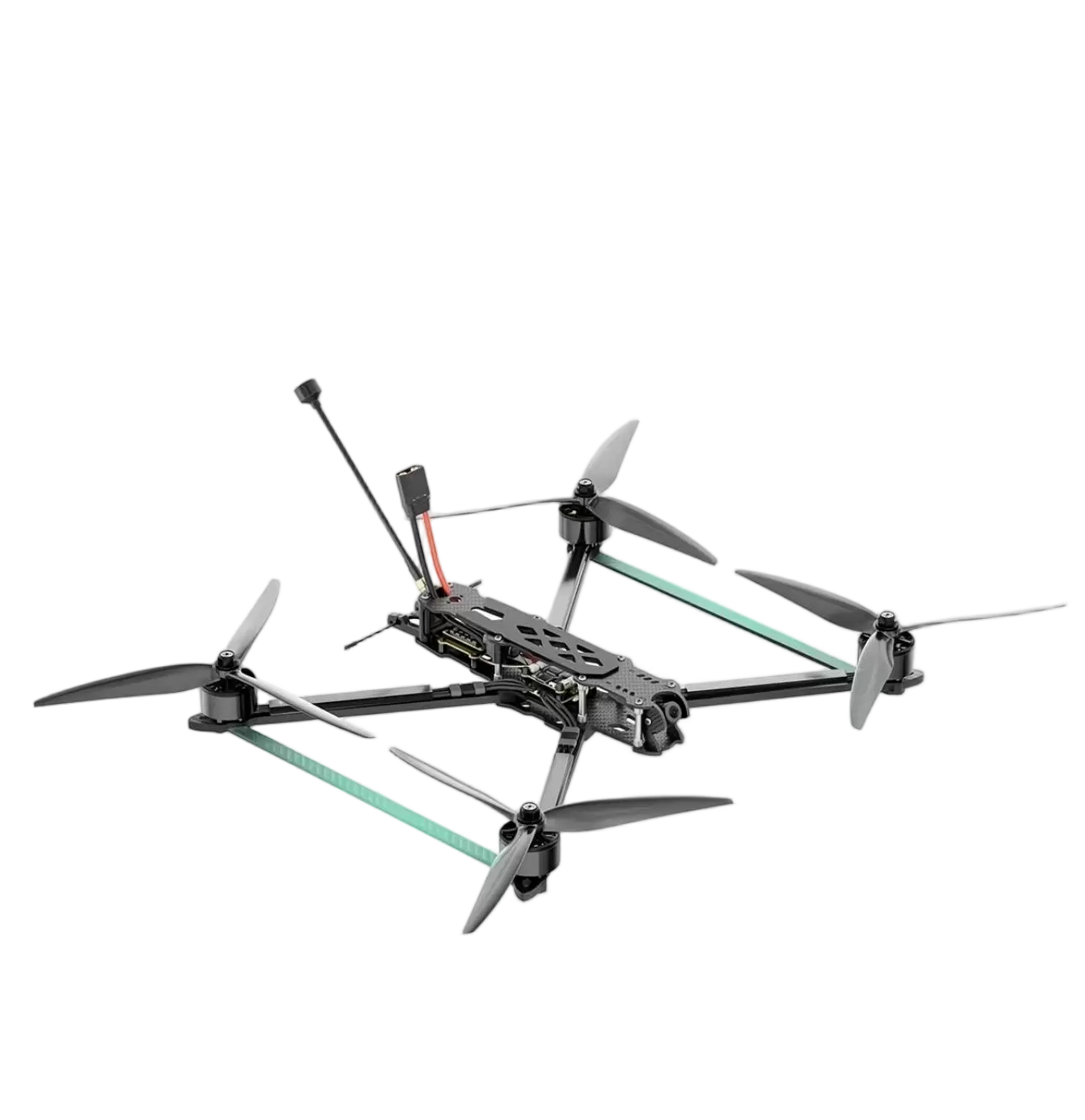
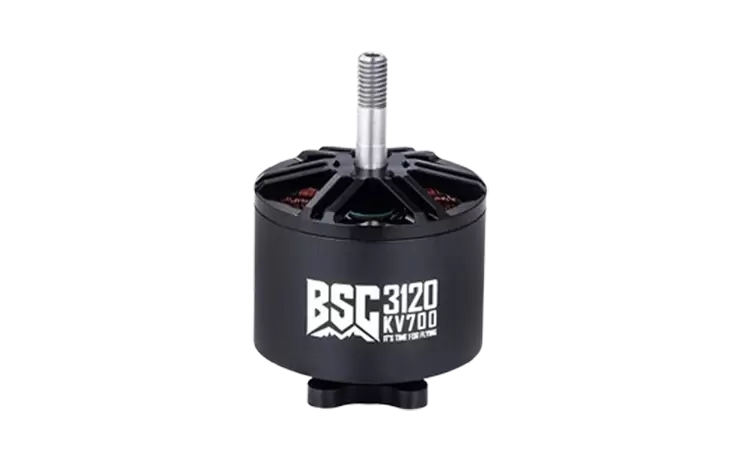
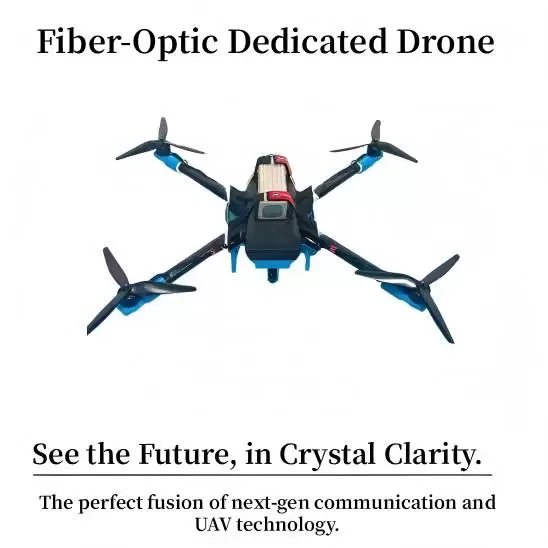
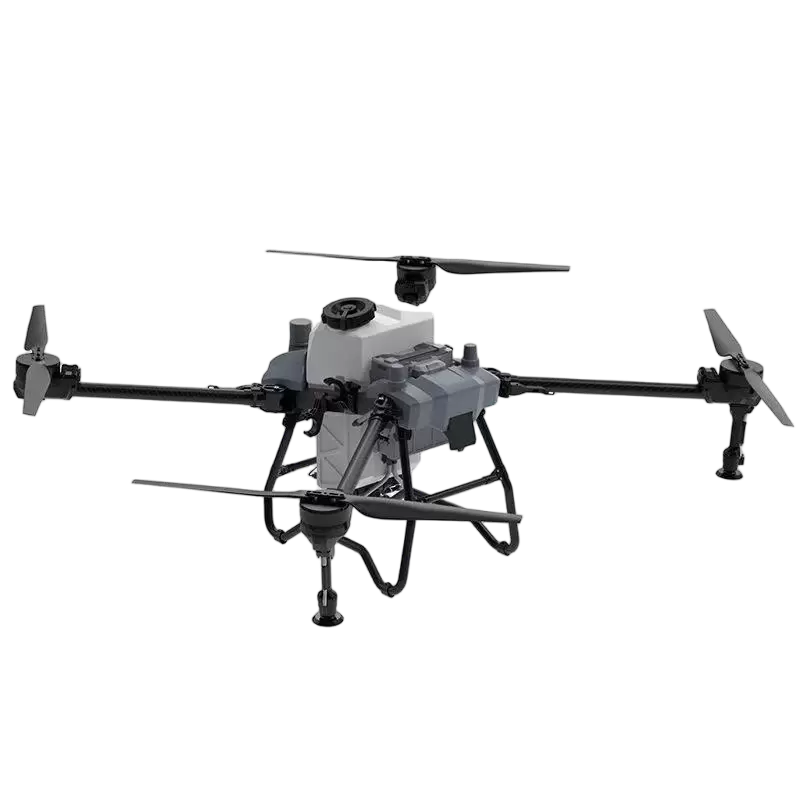
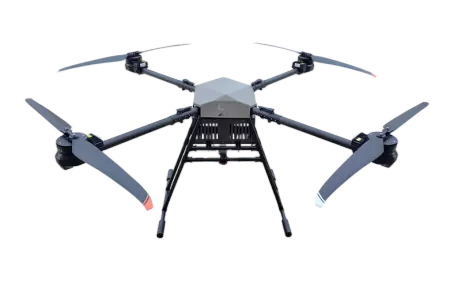
In particular, the integration of night vision cameras with drones opens new possibilities. Jiangxi BonSure Technology Co., Ltd., a leading enterprise specializing in firefighting and rescue drones, produces high-performance brushless power systems and drones designed to support night operations. By equipping drones with night vision cameras, emergency responders can quickly assess dangerous situations, locate victims, and monitor hazards safely and efficiently.
Advantages of Integrating Night Vision Cameras with Drones
Combining night vision cameras with unmanned aerial systems (UAS) enhances operational capabilities significantly:
Extended Reach: Drones can access difficult-to-reach areas where traditional cameras cannot be deployed.
Real-Time Monitoring: Live feeds from drones enable instant decision-making in emergencies.
Versatile Applications: From firefighting and search-and-rescue to industrial inspections, drones with night vision cameras offer unmatched flexibility.
Jiangxi BonSure Technology Co., Ltd. focuses on designing and manufacturing high-quality, efficient brushless motors and drones, ensuring reliable performance even in challenging night-time or rescue operations. Their products are engineered to meet the demanding needs of professional responders and industrial users alike.
Choosing the Right Night Vision Camera for Your Needs
When selecting a night vision camera, consider factors such as:
Image Clarity: Look for high-resolution sensors that capture sharp images.
Range: Ensure the camera’s IR or thermal range matches your monitoring area.
Durability: For outdoor or industrial use, select weatherproof and rugged models.
Integration: Consider compatibility with drones or other automated systems for advanced surveillance.
Conclusion
Night vision camera technology is more than a tool—it is a critical enabler of safety and operational efficiency after dark. By leveraging advanced sensors and integrating with drones, as provided by Jiangxi BonSure Technology Co., Ltd., organizations can enhance monitoring, improve emergency response, and ensure the safety of both people and assets.
Investing in high-quality night vision cameras—especially those designed for professional integration with drones—ensures reliable performance in low-light conditions and delivers peace of mind in an unpredictable world. With this technology, staying safe after dark has never been more achievable.