In modern emergency response operations, visibility is no longer a secondary capability—it is a mission-critical factor. Traditional infrared or low-light imaging systems often struggle in complex environments such as smoke-filled fire scenes, dense urban structures, or forest fires.
The evolution of thermal fusion night vision technology has fundamentally changed this limitation by combining thermal imaging with visible-light enhancement and multi-sensor data fusion. For fire rescue UAV systems, this integration is not just an upgrade—it is a transformation in operational decision-making capability.
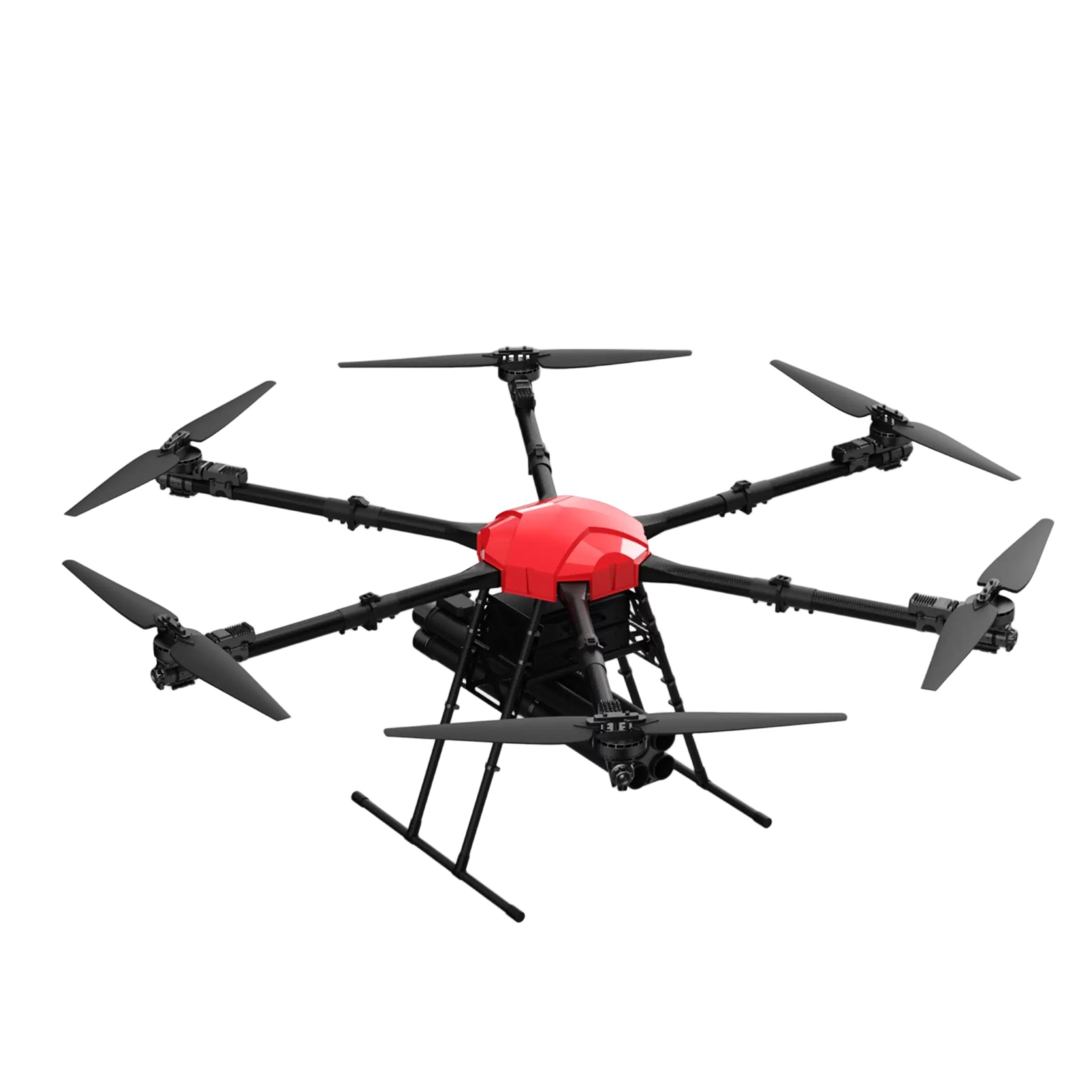
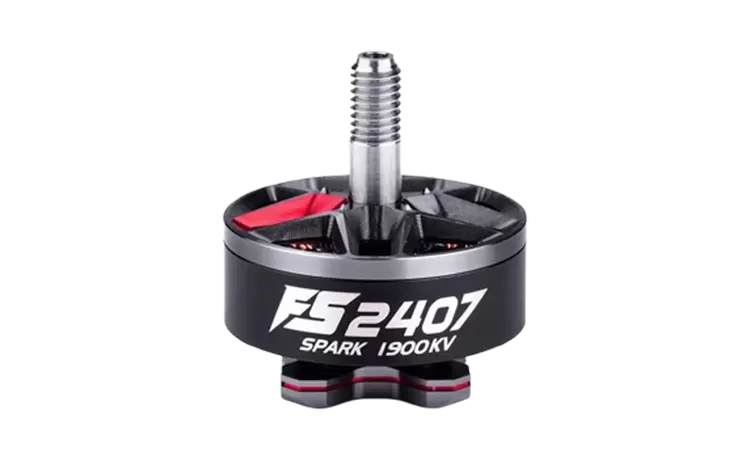
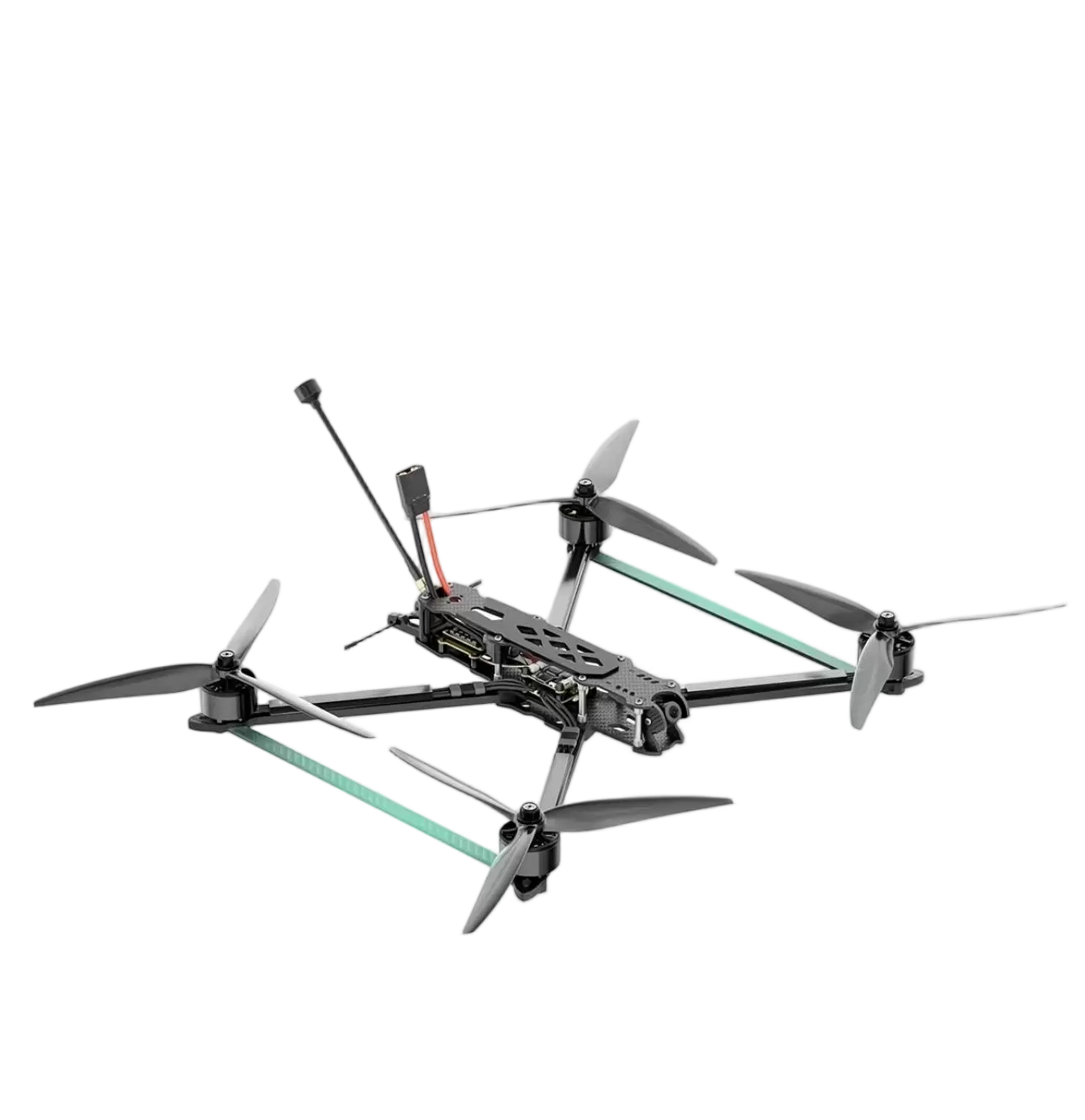
Jiangxi BonSure Technology Co., Ltd, a manufacturer specializing in fire rescue UAV systems and high-performance brushless power systems, integrates thermal fusion imaging into aerial platforms designed for extreme operational environments.
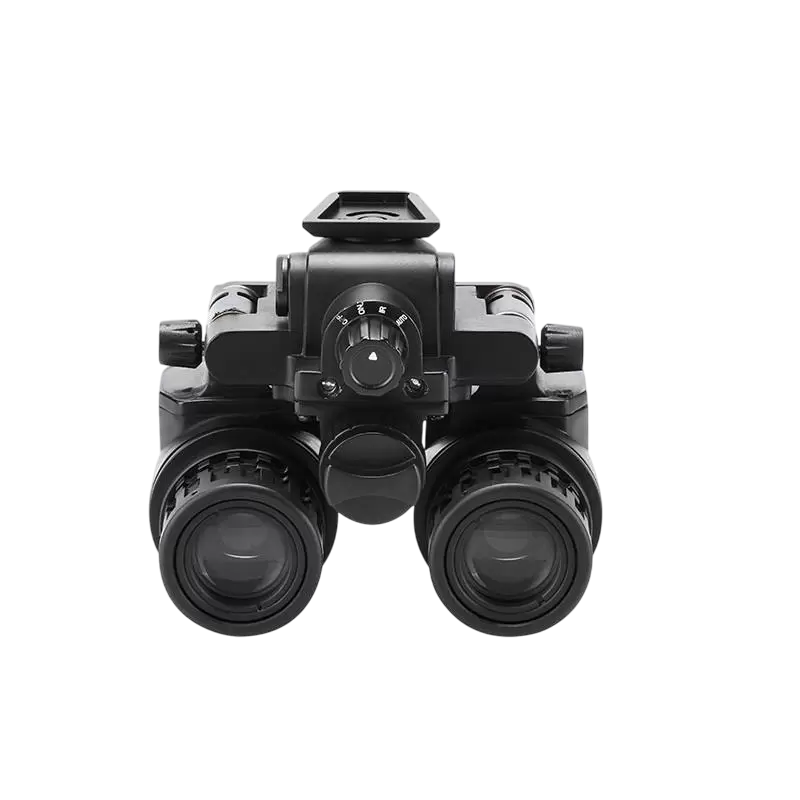
Core Architecture of Thermal Fusion Imaging Systems
Thermal fusion night vision systems typically integrate three core imaging layers:
- Long-wave infrared (LWIR) thermal sensor
- Low-light CMOS/CCD optical sensor
- Real-time image fusion processor
Each layer serves a distinct function. The thermal sensor detects heat signatures independent of lighting conditions. The optical sensor captures structural and contextual details. The fusion processor aligns and merges both datasets into a single enhanced image.
Unlike standalone thermal imaging, fusion systems provide both temperature intelligence and spatial recognition, which is essential for navigation and target identification in rescue operations.
Performance Parameters That Define Operational Value
In aerial fire rescue scenarios, system performance is evaluated under extreme conditions:
- Detection range: typically 300–2000 meters depending on sensor resolution
- Thermal sensitivity: ≤50 mK for high-contrast heat differentiation
- Frame rate: 25–60 Hz for real-time tracking
- Latency: <100 ms for UAV navigation feedback
These parameters directly affect how quickly operators can identify human presence, fire hotspots, or structural hazards.
A delay of even 200 ms in fusion rendering can significantly reduce UAV response accuracy in dynamic fire environments.
Smoke Penetration and Fire Scene Adaptability
One of the most critical advantages of thermal fusion night vision is its ability to operate in zero-visibility conditions.
Smoke from burning materials often blocks visible-light cameras completely. However, thermal sensors detect infrared radiation emitted by objects regardless of visibility.
Fusion imaging reconstructs the environment by overlaying thermal contours onto visible structure maps, enabling:
- Human detection behind smoke layers
- Fire hotspot localization
- Structural integrity estimation
This capability is essential for drone-based reconnaissance in active fire zones.
UAV Integration: Power, Stability, and Payload Balance
Thermal fusion systems impose additional demands on UAV platforms, particularly in terms of payload weight and power consumption.
Jiangxi BonSure’s UAV systems integrate high-efficiency brushless motors designed to maintain:
- Stable lift under increased sensor payload
- Extended flight endurance
- Reduced vibration impact on imaging systems
Vibration isolation is critical because even minor oscillations can distort image fusion alignment, reducing detection accuracy.
Operational Scenarios in Fire Rescue Missions
Thermal fusion night vision systems are most effective in:
- High-rise building fires where internal visibility is zero
- Forest fire perimeter tracking
- Industrial accident zones with toxic smoke
- Night-time search and rescue operations
In these scenarios, operators rely on real-time fusion imagery to make rapid decisions about entry points, evacuation routes, and hazard zones.
Conclusion: From Imaging to Intelligence
Thermal fusion night vision is not just an imaging upgrade—it is an intelligence layer for aerial emergency systems.
By combining thermal detection with visual context, it transforms UAVs from observation tools into decision-support platforms for life-critical operations.