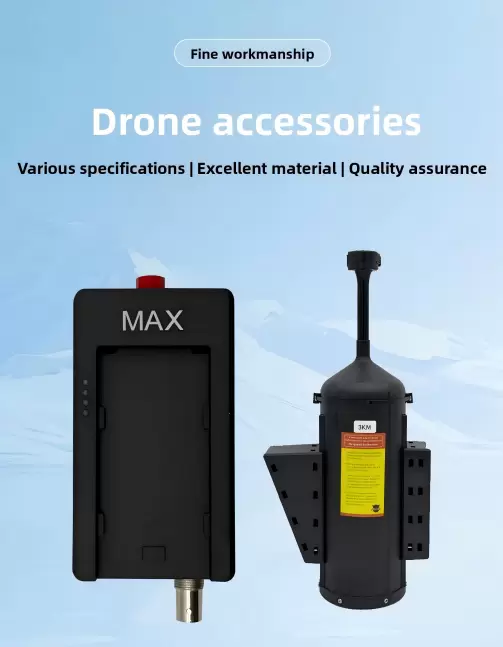
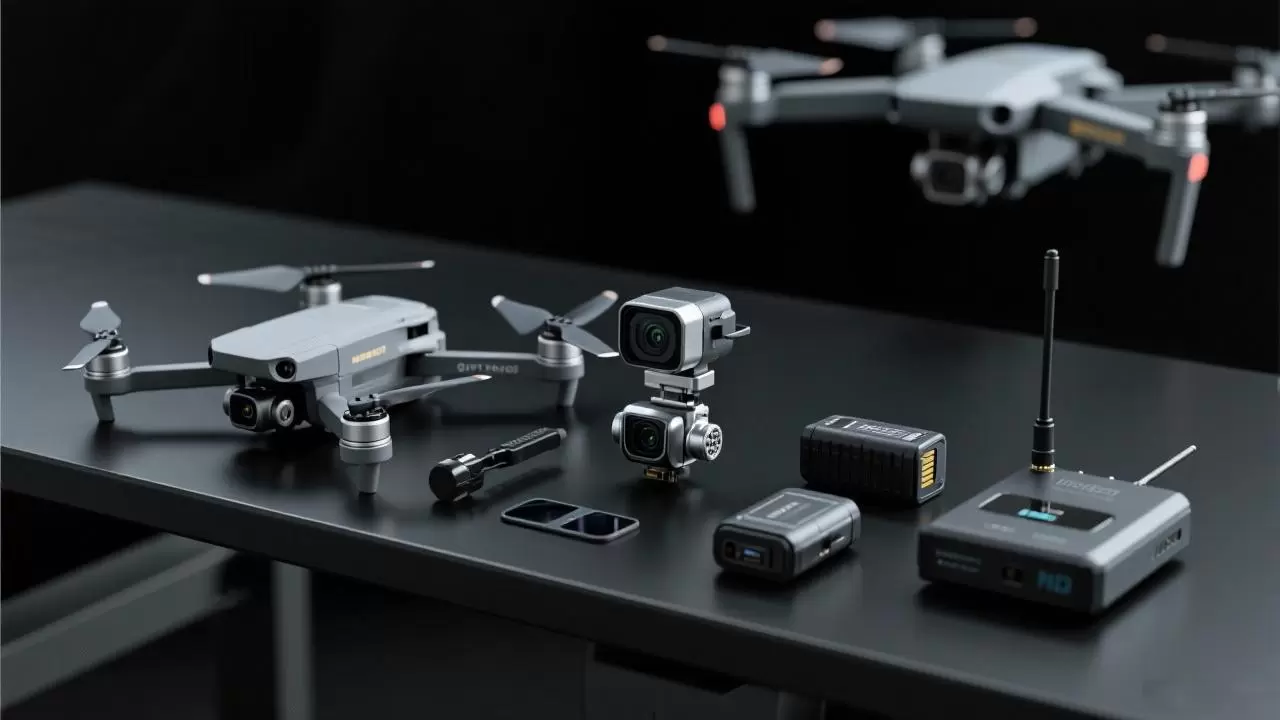
FPV (First Person View) drones have evolved rapidly in recent years, moving far beyond hobbyist toys into professional tools for racing, aerial filming, inspection, and even emergency response. Whether you are building a freestyle drone, a long-range FPV platform, or a specialized industrial model, choosing the right FPV drone supply is the foundation of performance, reliability, and safety. This guide breaks down the essential components required to build a high-performance FPV drone and explains what to look for in each part.
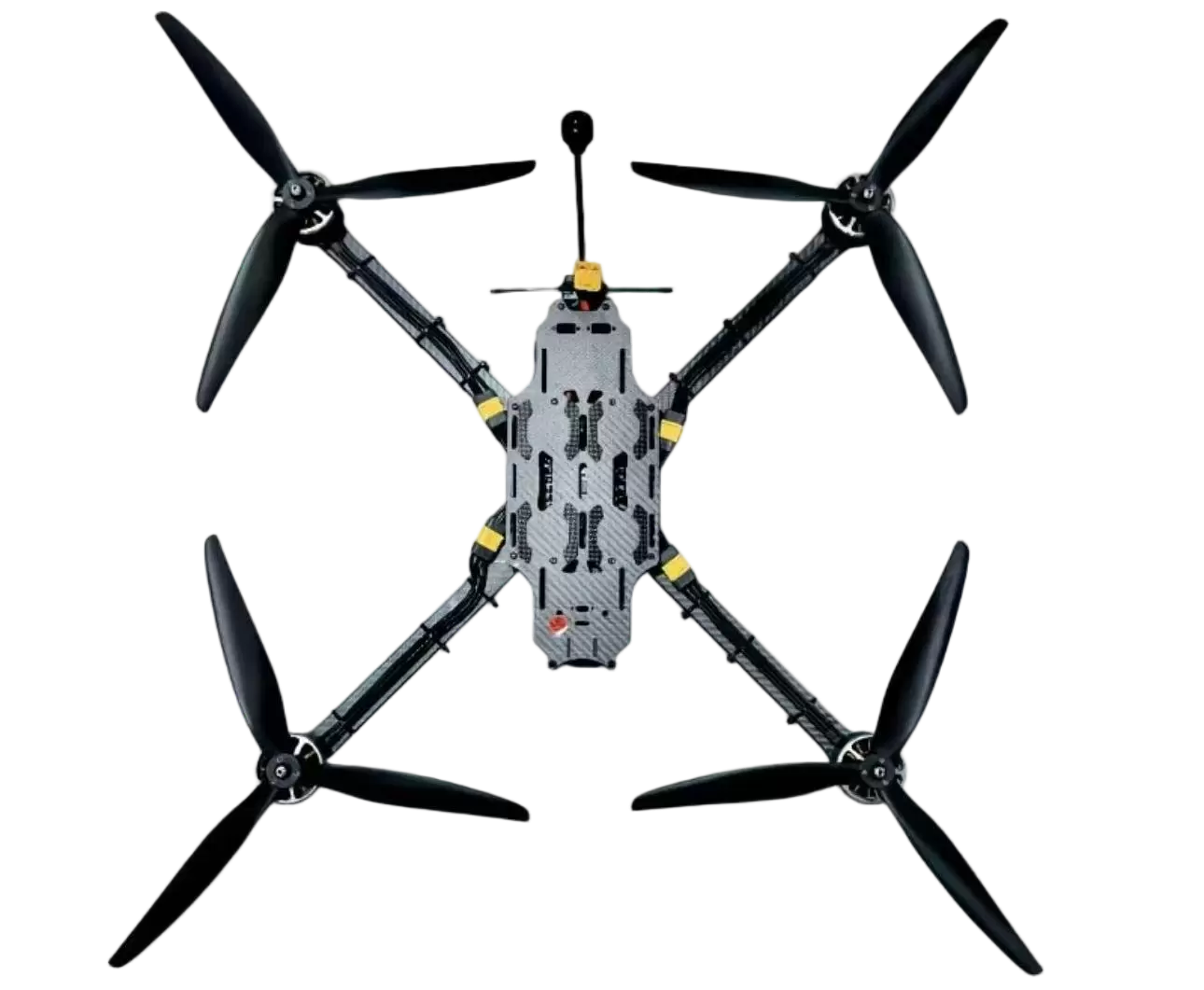
1. FPV Frame: The Structural Backbone
The frame is the skeleton of an FPV drone. It determines durability, weight, and layout compatibility with other components.
High-performance FPV frames are typically made from carbon fiber due to its excellent strength-to-weight ratio. Key factors to consider include:
Wheelbase size (e.g., 5-inch, 7-inch, or larger for long-range)
Arm thickness and design for crash resistance
Mounting compatibility for motors, stack electronics, and cameras
A well-designed frame ensures stability during aggressive maneuvers and provides adequate protection for sensitive electronics.
2. Brushless Motors: Power and Efficiency
Brushless motors are the heart of any FPV drone. Motor selection directly affects thrust, efficiency, flight time, and responsiveness.
When choosing motors, focus on:
KV rating (RPM per volt), matched to battery voltage and propeller size
Stator size, which influences torque and smoothness
Build quality, including bearings, magnets, and winding consistency
Companies like Jiangxi BonSure Technology Co., Ltd. specialize in the design and manufacturing of high-quality brushless power systems. With extensive experience in both FPV and firefighting rescue drones, BonSure develops motors that emphasize high efficiency, stable output, and durability—qualities essential for high-performance FPV applications and mission-critical operations.
3. Electronic Speed Controllers (ESCs): Precision Motor Control
ESCs regulate how power from the battery is delivered to the motors. In modern FPV drone supply systems, 4-in-1 ESCs are commonly used to reduce wiring complexity and weight.
Important ESC features include:
Current rating sufficient for motor demand
Support for modern protocols such as DShot
Thermal management and overcurrent protection
High-quality ESCs ensure smooth throttle response and reduce the risk of mid-air failures.
4. Flight Controller: The Brain of the Drone
The flight controller processes sensor data and pilot inputs to maintain stable and responsive flight. It integrates gyroscopes, accelerometers, and firmware such as Betaflight or iNav.
Key considerations:
Processor performance for fast loop times
Sensor quality to minimize noise and vibrations
Expandability, including UARTs for GPS, telemetry, and peripherals
A reliable flight controller is especially critical in advanced FPV applications, including industrial inspection and rescue operations.
5. FPV Camera and Video Transmission System
The FPV system gives pilots real-time visual feedback. It typically includes an FPV camera, video transmitter (VTX), and receiver or goggles.
For high-performance FPV drones:
Choose low-latency cameras with good dynamic range
Select a VTX with stable output power and multiple channel options
Consider digital FPV systems for higher image quality when latency requirements allow
Clear and reliable video transmission is vital not only for racing and filming but also for professional use cases such as emergency response drones.
6. Propellers: Fine-Tuning Flight Characteristics
Propellers significantly influence thrust, efficiency, and handling. Small changes in pitch or blade count can dramatically affect flight behavior.
Common propeller variables:
Diameter (e.g., 5-inch vs. 7-inch)
Pitch (higher pitch equals more speed but higher current draw)
Blade count (tri-blade for control, bi-blade for efficiency)
Matching propellers correctly with motors and battery voltage is essential for optimal performance.
7. Batteries and Power Distribution
Most FPV drones use LiPo batteries, though Li-ion packs are increasingly popular for long-range applications.
Battery selection should consider:
Cell count (S rating) compatible with motors and ESCs
Capacity and C-rating to handle peak current demands
Weight-to-performance balance
A robust power distribution system ensures stable voltage delivery to all onboard electronics.
8. Specialized FPV Drone Supply for Industrial and Rescue Use
Beyond recreational FPV drones, specialized platforms require higher standards of reliability and power. Jiangxi BonSure Technology Co., Ltd. extends its FPV expertise into firefighting and rescue drones, integrating advanced brushless motors and drone systems designed for harsh environments and critical missions. This background in professional-grade UAVs reflects a strong commitment to quality control, R&D, and application-driven design—qualities that also benefit high-performance FPV drone builders.
Conclusion
Building a high-performance FPV drone starts with selecting the right FPV drone supply components. From a durable carbon fiber frame to efficient brushless motors, reliable ESCs, and a stable flight controller, every part plays a role in flight performance and safety. Partnering with experienced manufacturers like Jiangxi BonSure Technology Co., Ltd., which combines brushless motor expertise with advanced drone system development, can provide builders with reliable, high-quality components tailored for both recreational and professional FPV applications.
With the right components and careful integration, your FPV drone can achieve exceptional speed, control, and reliability—ready for racing, filming, or even demanding industrial missions.