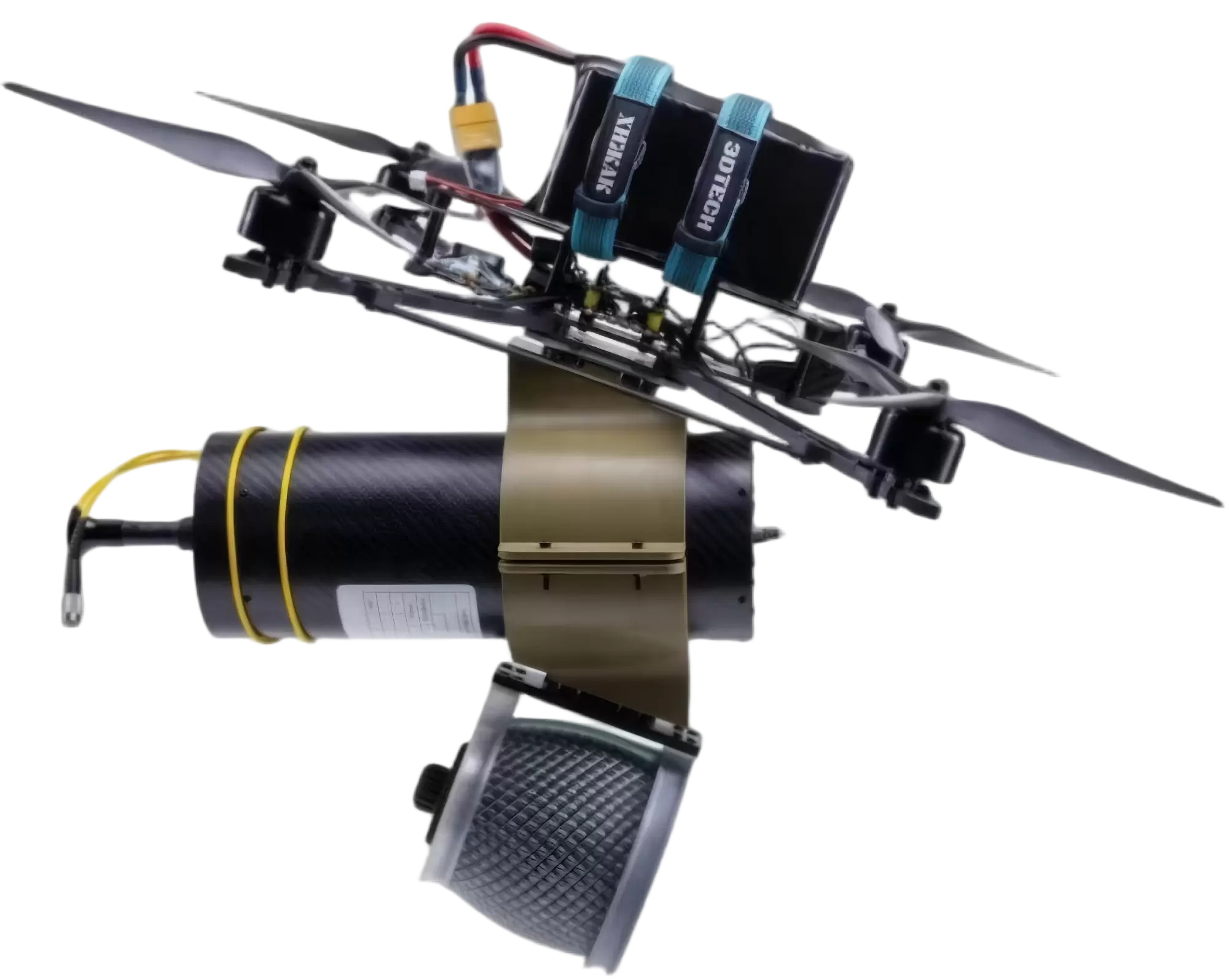
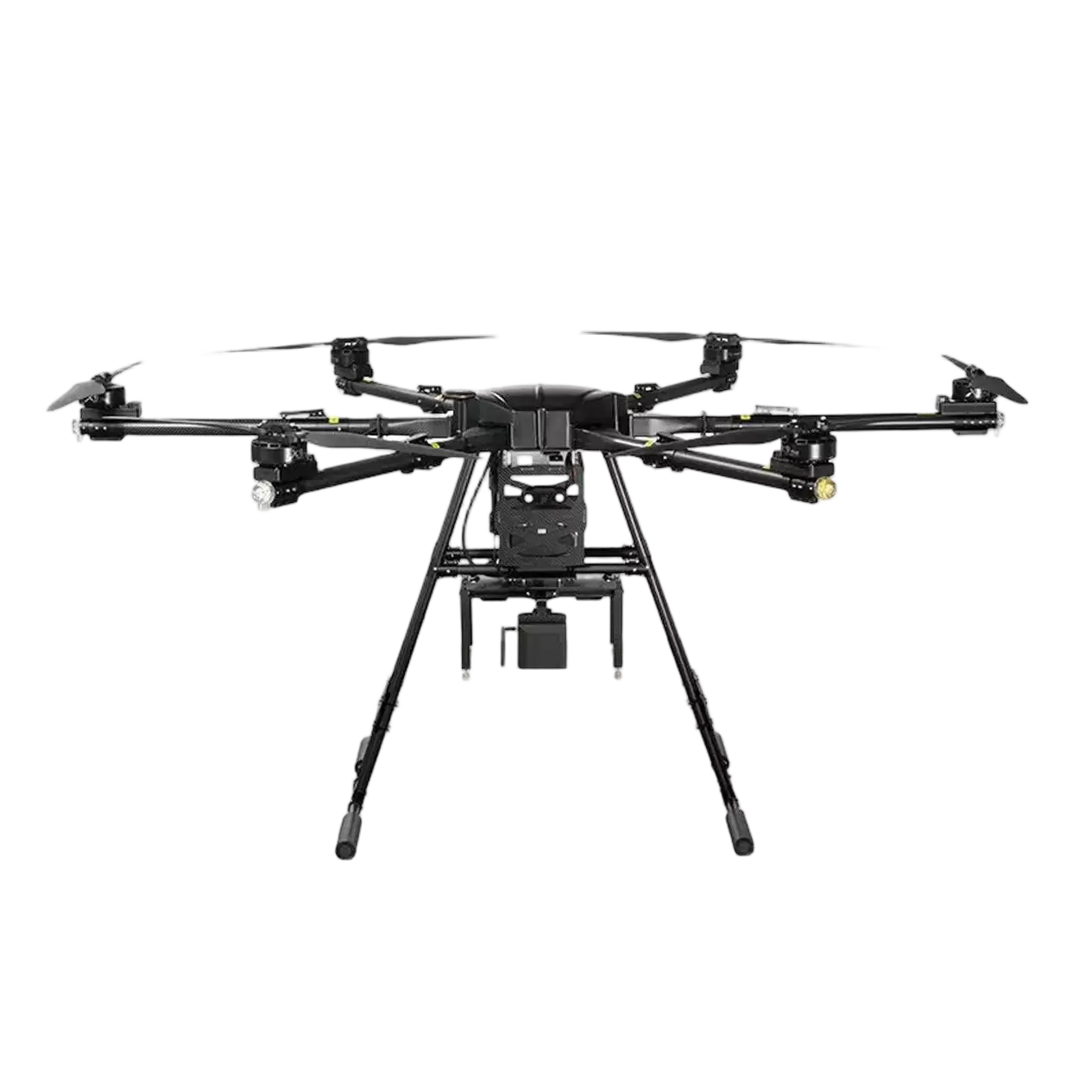
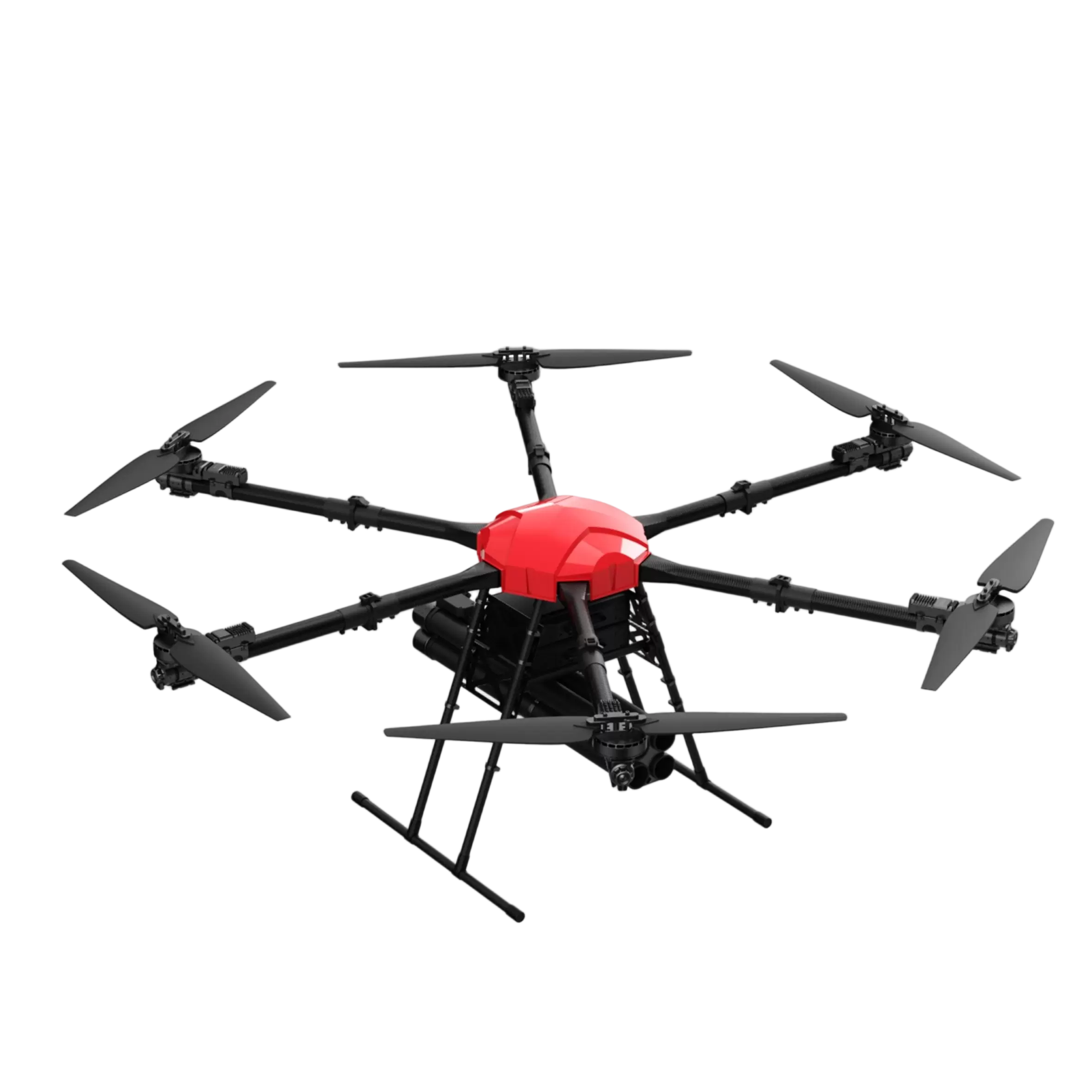
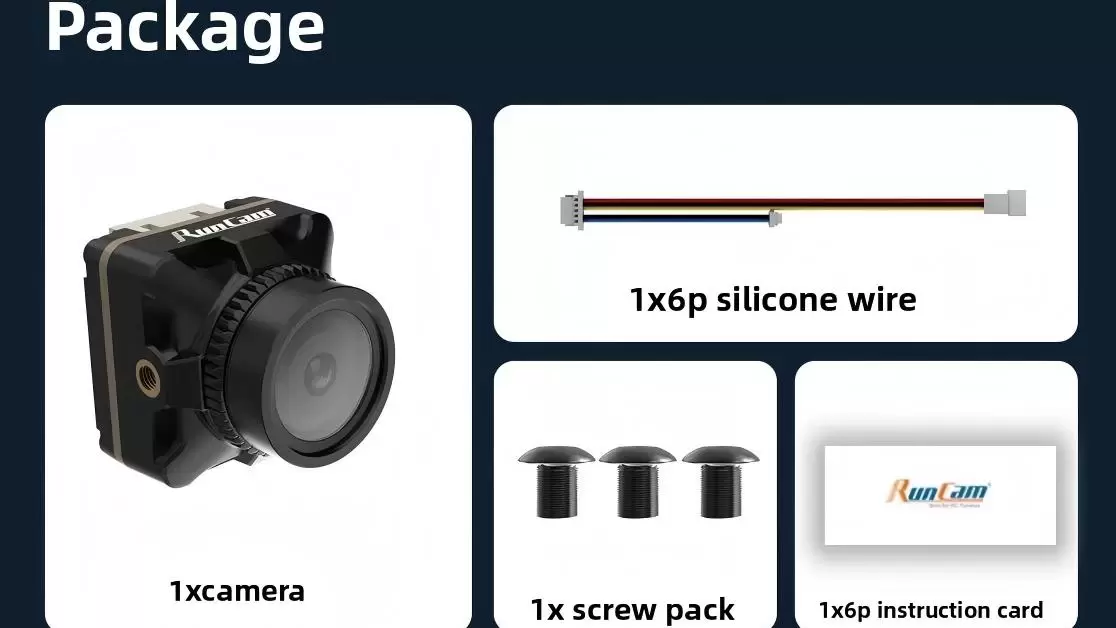
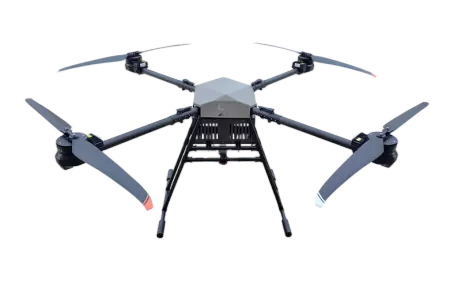
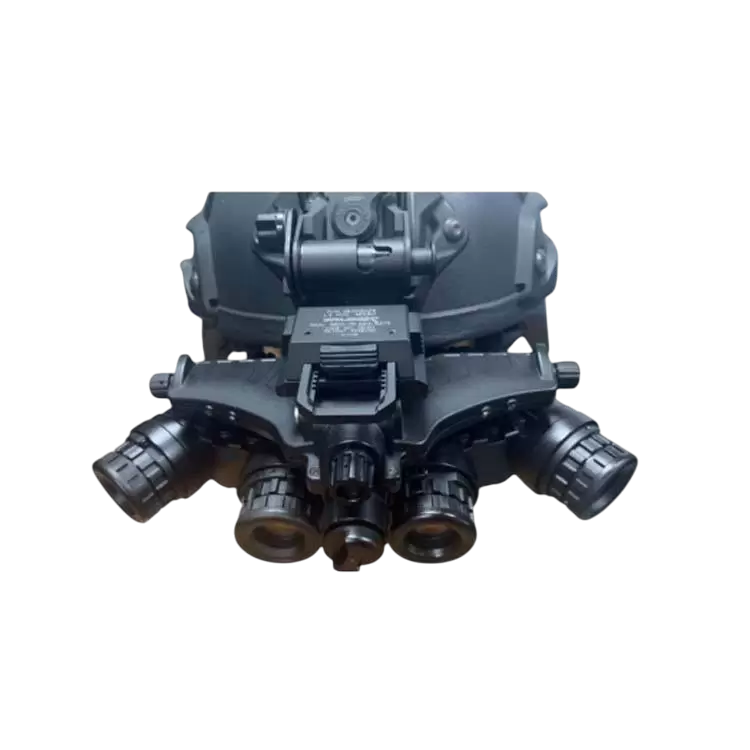
In fire rescue operations, UAV systems are no longer just aerial cameras—they are real-time decision intelligence platforms. At the core of this transformation is thermal fusion night vision, which combines thermal detection, optical imaging, and real-time processing into a unified situational awareness system.
However, imaging performance alone is not sufficient. The effectiveness of thermal fusion depends heavily on UAV flight stability, propulsion control, and system-level integration.
Jiangxi BonSure Technology Co., Ltd develops fire rescue UAV systems that integrate thermal fusion imaging with high-efficiency brushless motor propulsion systems, ensuring stable operation under extreme environmental conditions.
1. Imaging Performance Depends on Flight Stability
Thermal fusion systems require precise spatial consistency between frames. Any deviation in UAV position or vibration directly affects:
- Image alignment accuracy
- Fusion consistency
- Target tracking stability
Unlike stationary imaging systems, UAV-based platforms introduce continuous motion variables.
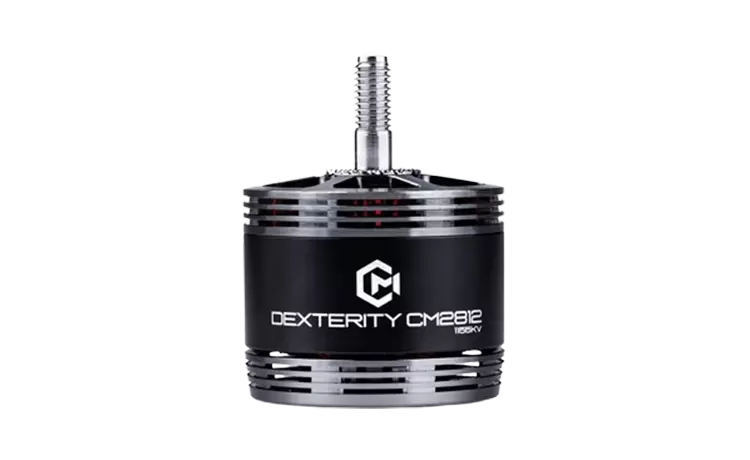
2. Brushless Motor Systems and Vibration Control
Brushless motors are critical to UAV stability.
Key performance characteristics include:
- Torque stability under load variation
- Low vibration output across RPM range
- Fast response to flight control inputs
Vibration is one of the most destructive factors in thermal fusion systems because it causes:
- Pixel misalignment between thermal and optical layers
- Frame jitter during fusion processing
- Reduced detection clarity in real time
Jiangxi BonSure optimizes motor systems specifically for imaging stability rather than only thrust output.
3. Wind Resistance and Environmental Dynamics
Fire environments create complex airflow conditions due to heat convection.
UAV systems must maintain:
- Stable hover in turbulent air
- Controlled lateral drift compensation
- Precise altitude hold under thermal updrafts
Without stable flight control, even advanced imaging systems lose spatial accuracy.
4. Real-Time Rescue Intelligence Applications
Thermal fusion night vision enables UAVs to perform:
- Human heat signature detection in smoke-filled environments
- Fire propagation tracking across structures
- Hazard zone mapping in real time
This transforms UAVs from observation tools into active emergency response systems.
5. Integrated System Design: Imaging + Flight + Power
The performance of a fire rescue UAV is defined by integration:
- Imaging subsystem: thermal fusion camera
- Flight subsystem: brushless motor UAV platform
- Power subsystem: endurance and energy stability
Jiangxi BonSure designs these systems as a unified architecture to ensure synchronized performance.
Conclusion: Unified Engineering for Mission-Critical Environments
Thermal fusion night vision is most effective when combined with stable flight systems and efficient propulsion design.
In fire rescue UAV applications, success depends on system-level integration rather than isolated component performance.
Jiangxi BonSure Technology delivers integrated UAV solutions where imaging intelligence, flight dynamics, and power systems operate as a single coordinated platform, enabling reliable performance in the most extreme operational environments.