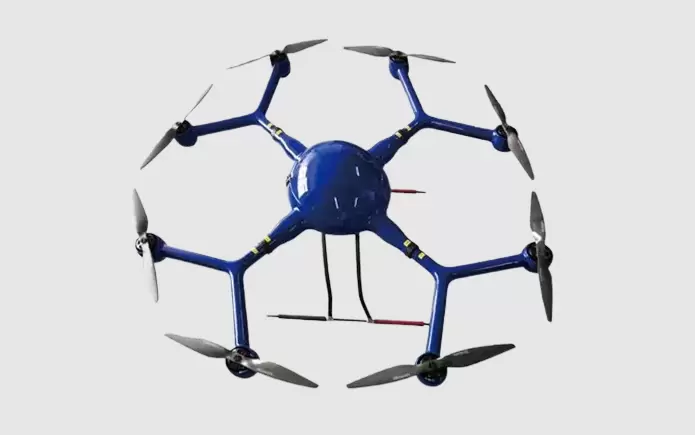
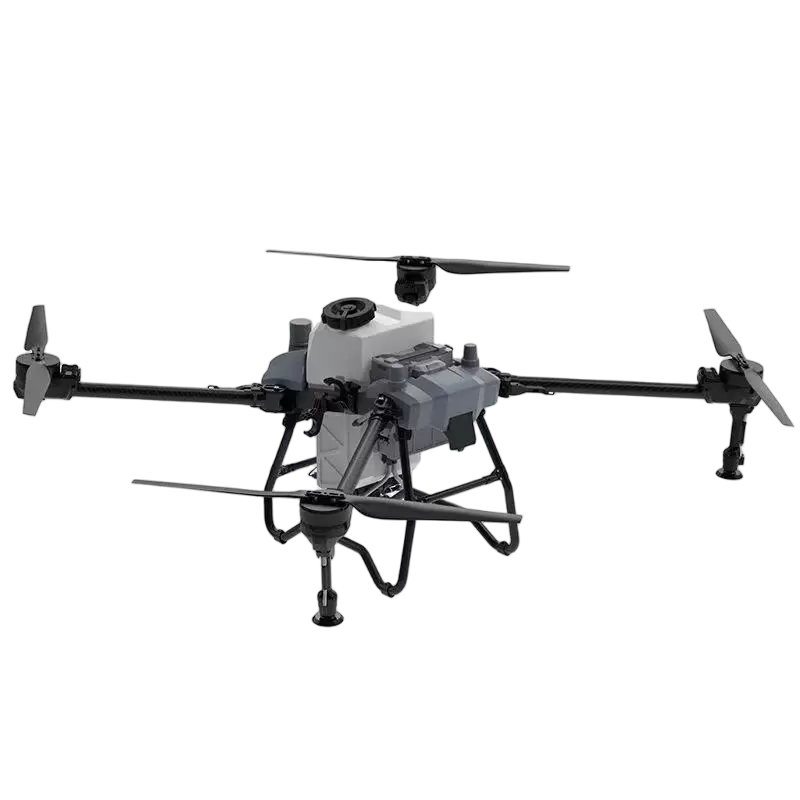
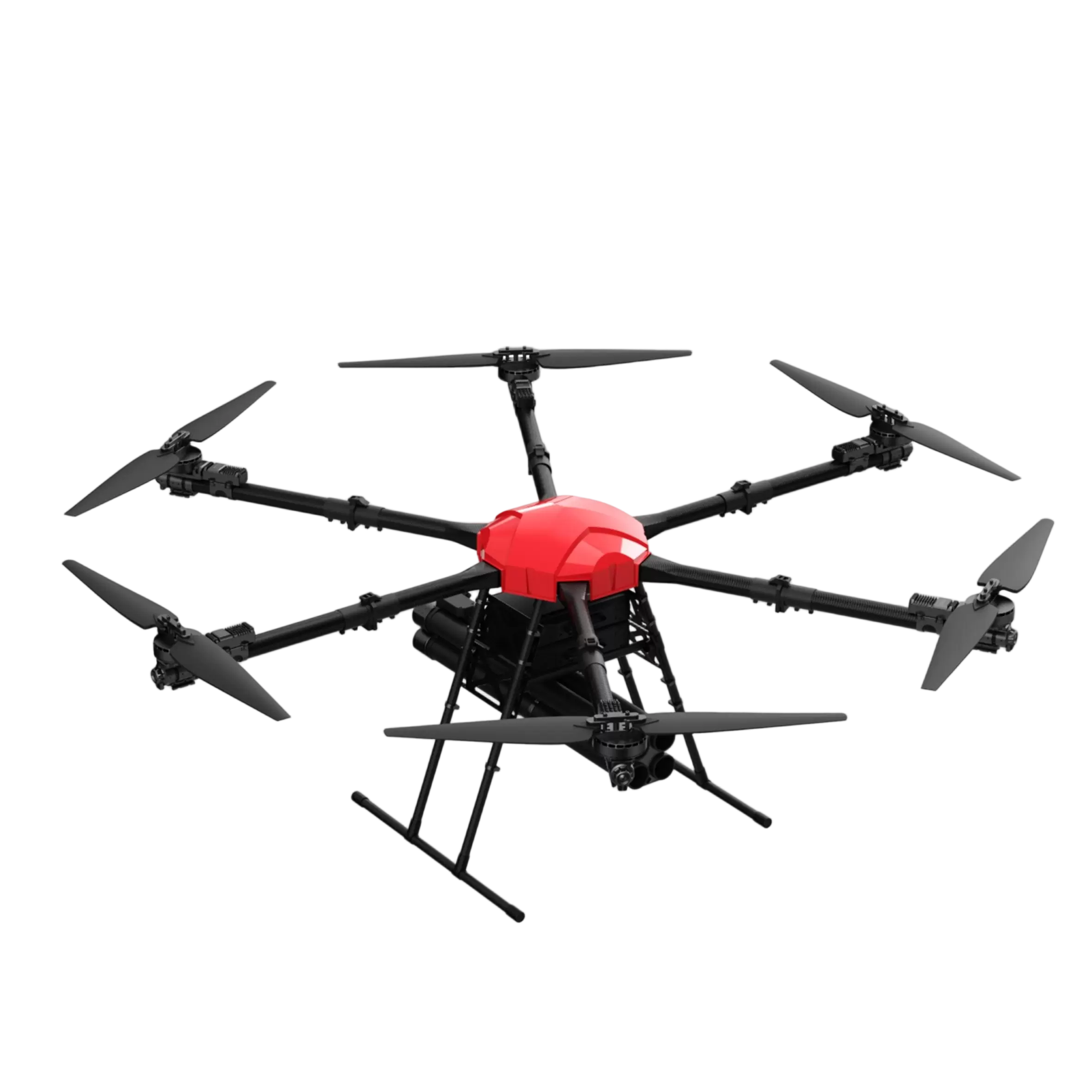
Sustainable forest management depends on accurate data, efficient monitoring, and minimal environmental disturbance. As forestry operations become more complex due to climate change, pest outbreaks, and biodiversity conservation demands, Forestry FPV (First-Person View) drones are emerging as powerful tools for modern forest management.
However, selecting the right Forestry FPV drone requires careful consideration of performance, durability, power systems, and application needs. The right choice can significantly improve monitoring efficiency while supporting long-term sustainability goals.
Why Forestry FPV Drones Matter in Sustainable Management
Traditional forest surveys often involve manual inspections, heavy equipment, or even manned aircraft. These approaches can be costly, time-consuming, and environmentally disruptive.
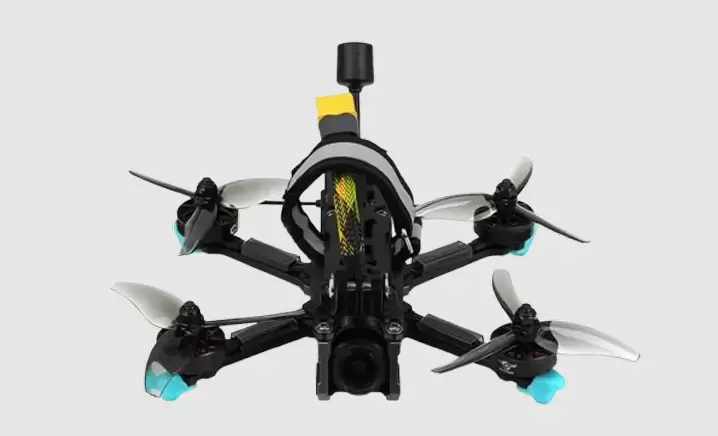
Forestry FPV drones offer a smarter alternative. With real-time video transmission and agile maneuverability, operators can:
Inspect tree canopies and trunks closely
Monitor disease outbreaks
Assess storm or fire damage
Track wildlife activity
Map forest density and regeneration zones
Because FPV drones can fly beneath dense canopies and through narrow corridors, they provide perspectives that conventional drones or satellite imagery cannot easily capture.
Key Factors to Consider When Choosing a Forestry FPV Drone
Selecting the right drone involves balancing performance, reliability, and sustainability.
1. High-Performance Brushless Motor System
Forests present challenging flight environments—uneven terrain, strong wind currents, and numerous obstacles. A powerful and efficient brushless motor system ensures:
Stable flight in variable wind conditions
Quick response to sudden maneuvers
Longer operational lifespan
Energy-efficient power consumption
High-efficiency brushless motors reduce energy waste, extend battery life, and lower operational costs—critical factors for large-scale forestry monitoring.
Manufacturers like Jiangxi BonSure Technology Co., Ltd specialize in designing and producing high-quality, high-efficiency brushless power systems. Their expertise in propulsion technology, originally developed for firefighting rescue drones, translates well into demanding forestry applications where reliability and endurance are essential.
2. Flight Time and Energy Efficiency
Sustainable forest management often involves surveying large areas. Longer flight times reduce the number of battery swaps and minimize downtime.
When evaluating a Forestry FPV drone, consider:
Battery capacity and energy density
Motor efficiency
Aerodynamic frame design
Payload weight balance
Optimized propulsion systems, such as those developed by Jiangxi BonSure Technology Co., Ltd, contribute to extended flight endurance without compromising thrust performance.
3. Payload Flexibility
Forestry applications vary widely, from tree health analysis to wildlife tracking. A suitable FPV drone should support multiple payload configurations, including:
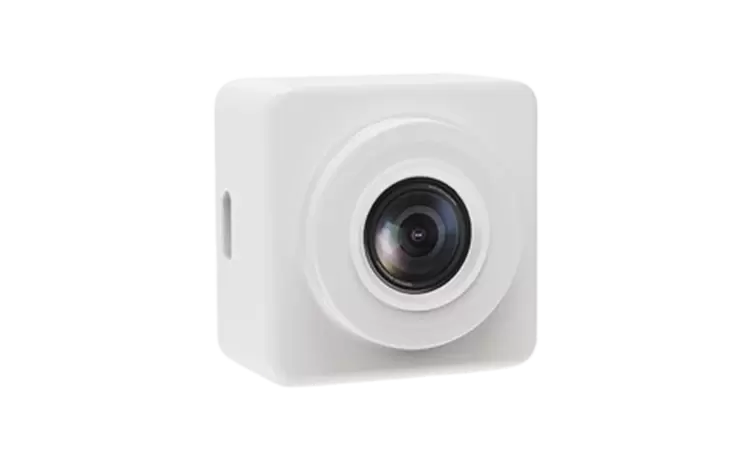
High-resolution RGB cameras
Thermal imaging systems
Multispectral sensors
LiDAR modules
Flexible payload integration allows forestry teams to adapt the drone to different monitoring tasks without purchasing multiple platforms.
4. Durability in Harsh Environments
Forests expose drones to moisture, dust, temperature fluctuations, and occasional impacts with branches. A forestry-grade FPV drone should feature:
Robust frame construction
Weather-resistant components
Reliable electronic protection systems
Shock-absorbing design
Companies experienced in producing emergency rescue drones, such as Jiangxi BonSure Technology Co., Ltd, understand the importance of durability. Their firefighting UAV platforms are built to withstand extreme conditions, making their engineering expertise highly relevant for forestry environments.
5. Real-Time Transmission and Control Stability
FPV drones rely on stable, low-latency video transmission for accurate navigation. In dense forests, signal interference can occur due to vegetation and terrain.
Choosing a drone with:
Strong signal penetration capability
Reliable control systems
Advanced flight stabilization
ensures safe operation even in challenging landscapes.
Supporting Sustainable Forest Goals
The right Forestry FPV drone contributes directly to sustainable forest management by enabling:
Early detection of disease and pest outbreaks
Reduced reliance on heavy machinery
Lower carbon emissions compared to helicopters
Improved biodiversity monitoring
Faster response to fire or storm damage
Data-driven decision-making helps forestry managers preserve ecosystems while optimizing timber production and conservation efforts.
The Role of Advanced Drone Manufacturing
Behind every reliable Forestry FPV drone is advanced engineering and manufacturing expertise. Jiangxi BonSure Technology Co., Ltd is a comprehensive enterprise integrating production and export, specializing in the research, development, and expansion of firefighting rescue drones and related accessories.
Their product line covers high-performance brushless power systems and advanced UAV platforms. The company is committed to designing and manufacturing high-quality, high-efficiency motors and drones that meet demanding operational standards.
Although their core focus lies in firefighting and rescue applications, the same performance attributes—strong thrust, stability, durability, and efficiency—are essential for forestry drones operating in complex environments.
By leveraging proven propulsion systems and UAV design capabilities, forestry organizations can deploy FPV drones that align with both operational efficiency and environmental responsibility.
Future-Proofing Your Forestry Investment
As AI-powered analytics, automated mapping, and environmental modeling technologies continue to evolve, Forestry FPV drones will become even more integrated into forest management systems.
When selecting a drone platform, consider scalability and upgrade potential. Modular designs, adaptable sensor integration, and reliable motor systems ensure long-term value and adaptability to future technological advancements.
Conclusion
Choosing the right Forestry FPV drone is a strategic decision that directly impacts sustainable forest management outcomes. Key factors include high-performance brushless motors, energy efficiency, payload flexibility, durability, and reliable real-time transmission.
With strong engineering foundations and advanced propulsion expertise, companies like Jiangxi BonSure Technology Co., Ltd provide the technological backbone needed for demanding UAV applications. By investing in a reliable and efficient Forestry FPV drone platform, forestry professionals can enhance monitoring accuracy, reduce environmental impact, and support the long-term health and sustainability of forest ecosystems.