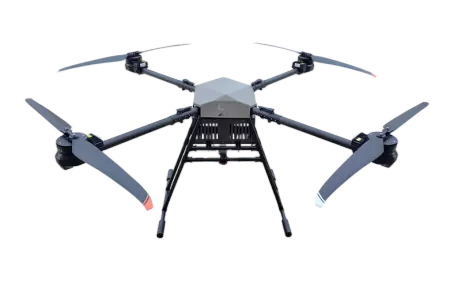
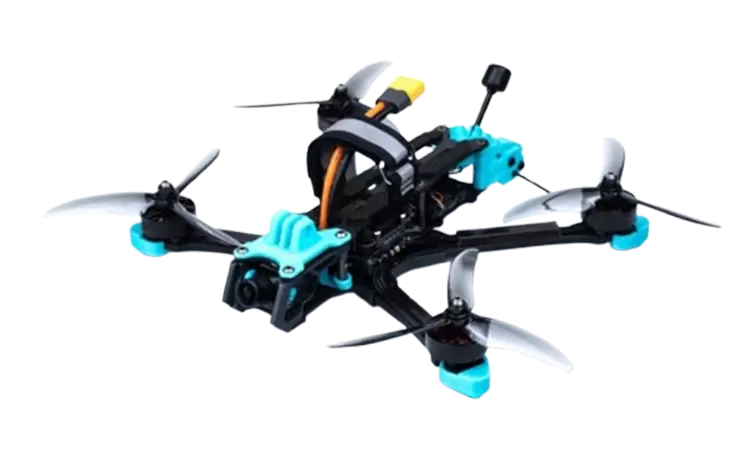
In industrial UAV systems, endurance performance is no longer determined by battery capacity alone. As drone missions become more complex and payload-intensive, propulsion efficiency has emerged as one of the most important factors influencing overall operational capability.
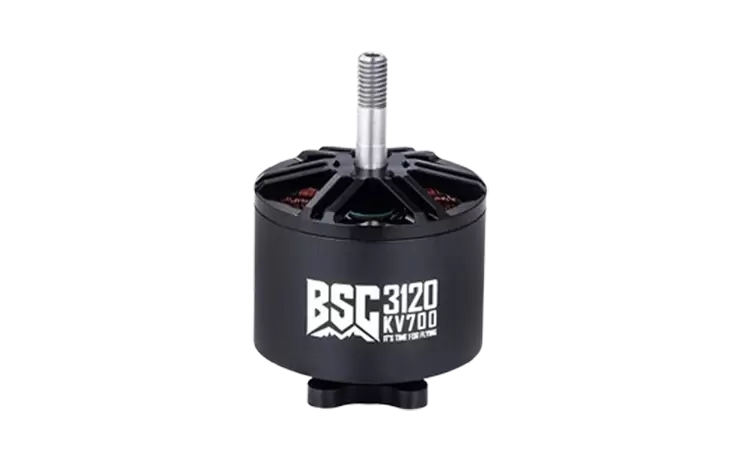
For Multi-rotor Drone Long Endurance platforms, the brushless motor system acts as the core energy conversion unit, directly determining lift efficiency, thermal stability, flight responsiveness, and continuous operational reliability.
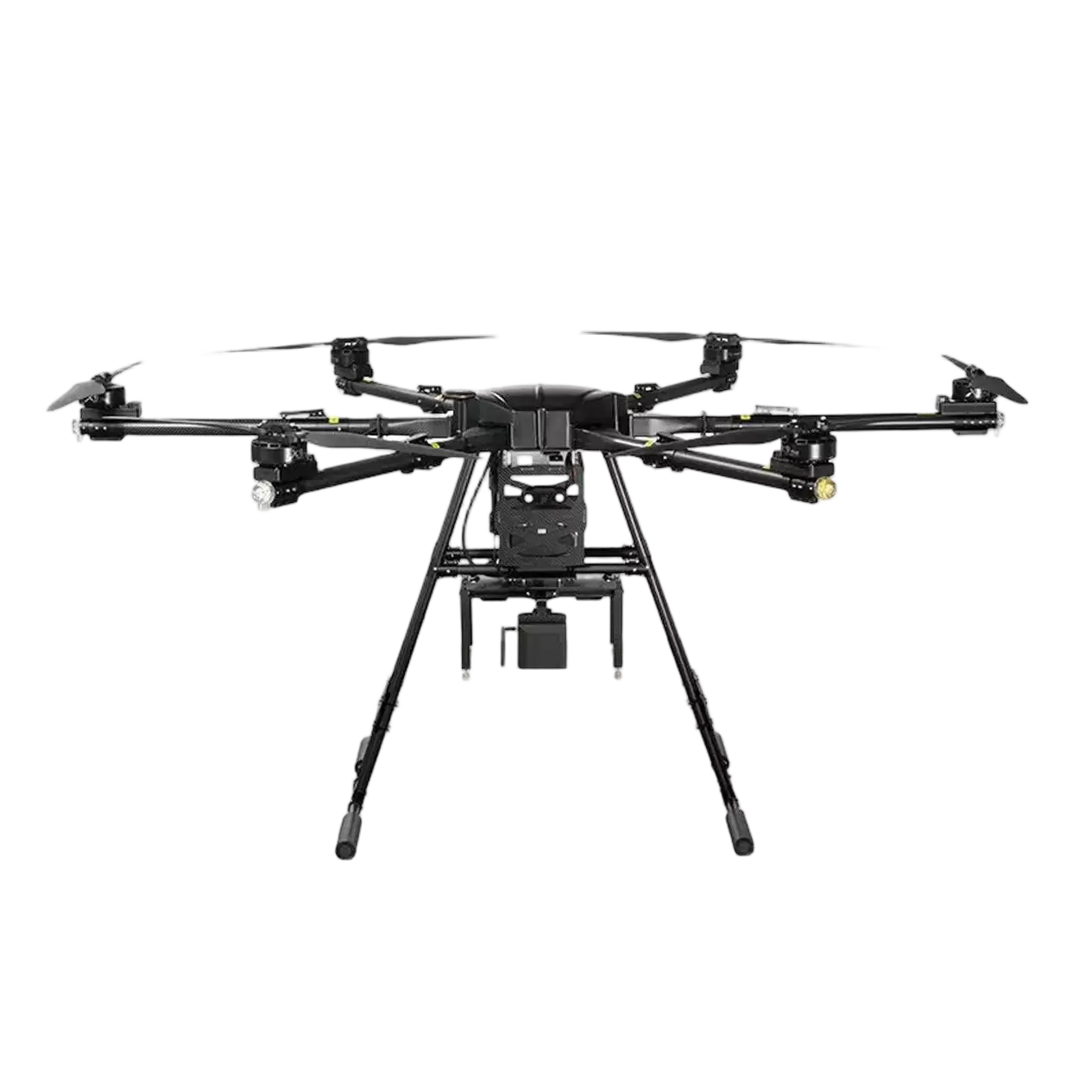
This is especially important in industrial applications such as firefighting, infrastructure inspection, emergency rescue, mapping, and logistics, where drones often operate under heavy payload conditions and long-duration flight cycles.
Why Brushless Motors Are Critical in Long-Endurance Drones
In multi-rotor systems, motors continuously consume the majority of onboard energy during hover and maneuvering.
Even small improvements in motor efficiency can significantly increase:
- Total flight duration
- Payload capacity
- Hovering stability
- Thermal reliability
Industrial long-endurance drones increasingly rely on high-efficiency brushless motors optimized for:
- Low-RPM high-torque output
- Reduced electromagnetic loss
- Improved thermal dissipation
- Stable continuous-load operation
Motor inefficiency directly converts battery energy into unwanted heat rather than usable thrust.
Torque Efficiency Determines Hover Stability
Unlike fixed-wing UAVs, multi-rotor drones must continuously generate vertical lift to remain airborne.
This makes hover efficiency a critical endurance factor.
High-torque brushless motors allow:
- Lower operating RPM
- Reduced current consumption
- Improved thrust efficiency
- Better stability under payload load
Larger propellers paired with low-KV motors often provide better endurance because they move greater air volume with lower rotational energy loss.
Motor Heat Generation Reduces Endurance
Thermal efficiency is one of the most overlooked factors in drone propulsion systems.
As motor temperature rises:
- Electrical resistance increases
- Energy efficiency declines
- Battery drain accelerates
- Magnetic performance weakens
Continuous high-load operation may also shorten motor lifespan.
Industrial Multi-rotor Drone Long Endurance systems therefore integrate advanced thermal control strategies including:
- High-conductivity motor housings
- Ventilated rotor structures
- Precision winding architecture
- Thermal-resistant magnets
Stable thermal performance improves both endurance and operational safety.
ESC Matching Is Essential for Power Stability
Electronic Speed Controllers (ESCs) directly affect motor response efficiency.
Poor ESC matching may cause:
- Current fluctuation
- Energy waste
- Motor desynchronization
- Excessive thermal buildup
High-end industrial drones increasingly use FOC-based ESC control algorithms for smoother power delivery and higher efficiency.
Optimized ESC systems improve:
- Low-throttle efficiency
- Hover precision
- Dynamic maneuver stability
- Overall power management performance
Propeller Aerodynamics Influence Flight Duration
Propeller design directly affects propulsion efficiency.
Key factors include:
- Blade diameter
- Pitch angle
- Airfoil geometry
- Material rigidity
Carbon fiber propellers are commonly used in long-endurance industrial drones because they provide:
- Lower deformation under load
- Reduced vibration
- Improved aerodynamic consistency
- Better durability
Efficient propeller design reduces unnecessary motor load and improves lift generation efficiency.
Structural Weight Optimization Improves Energy Utilization
Drone endurance depends heavily on overall power-to-weight ratio.
Industrial drone manufacturers increasingly optimize:
- Airframe geometry
- Material distribution
- Integrated wiring layouts
- Modular payload mounting systems
Carbon fiber composite structures remain widely used due to their high stiffness-to-weight ratio.
Reducing unnecessary structural mass allows more energy to be allocated toward mission endurance rather than self-supporting lift requirements.
Payload Integration Changes Flight Dynamics
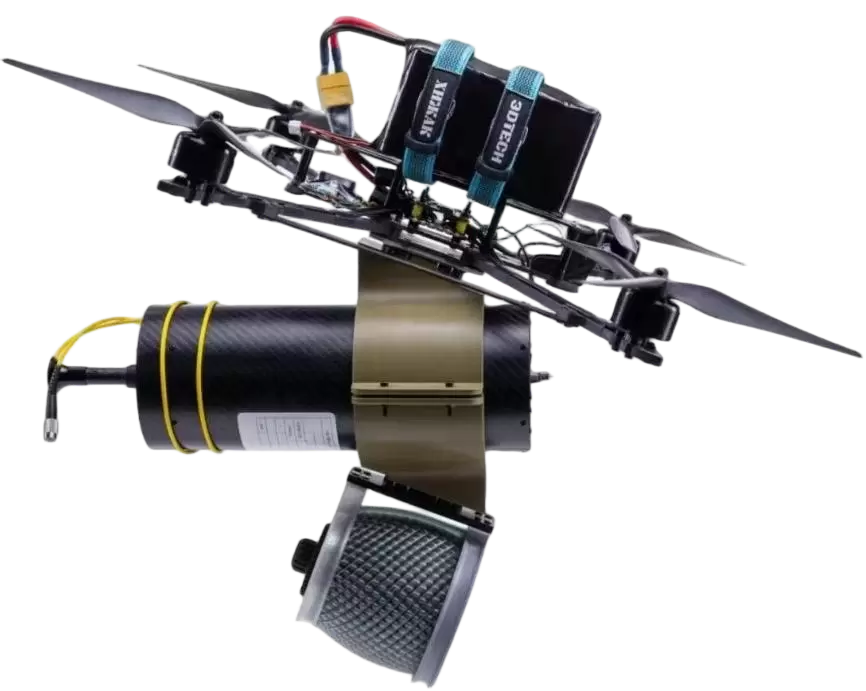
Industrial drones frequently carry heavy mission equipment such as:
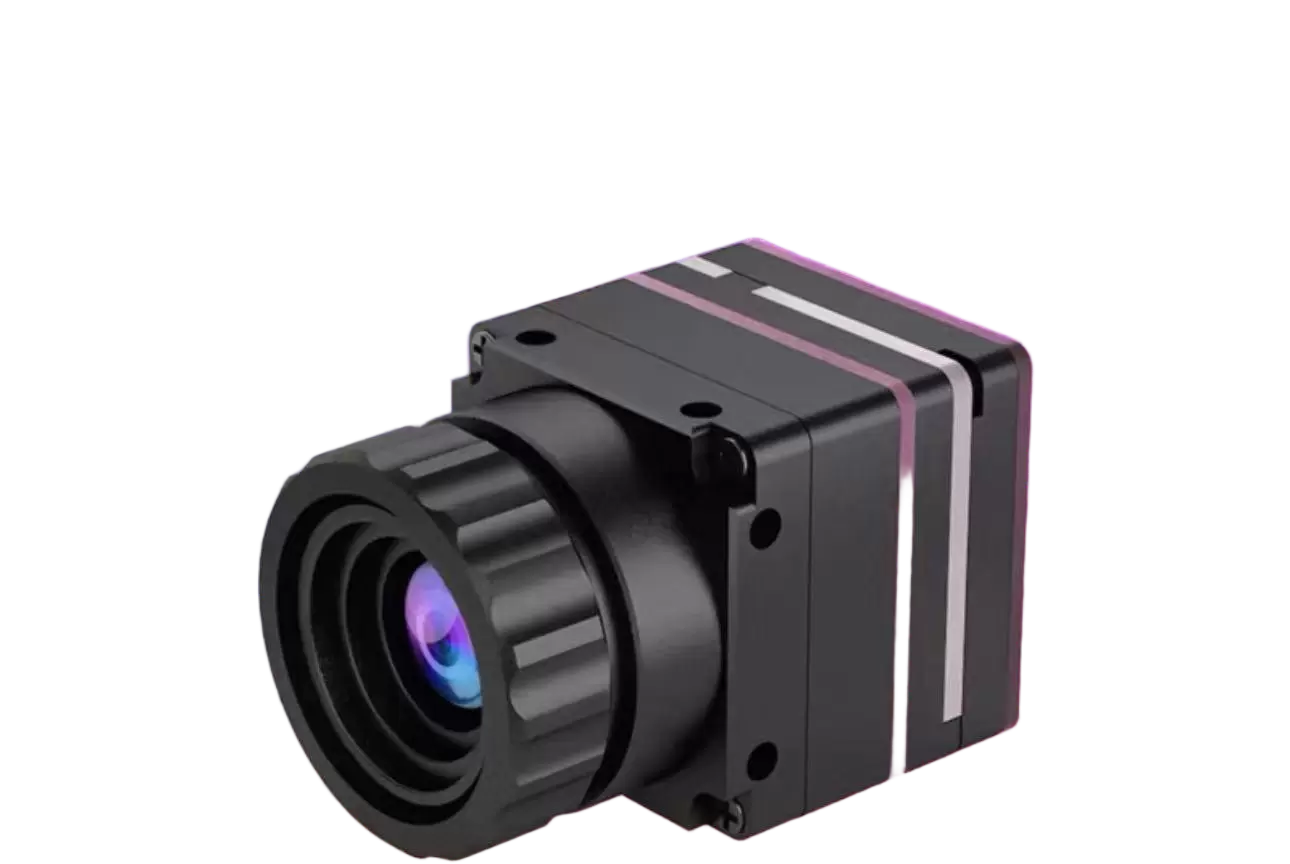
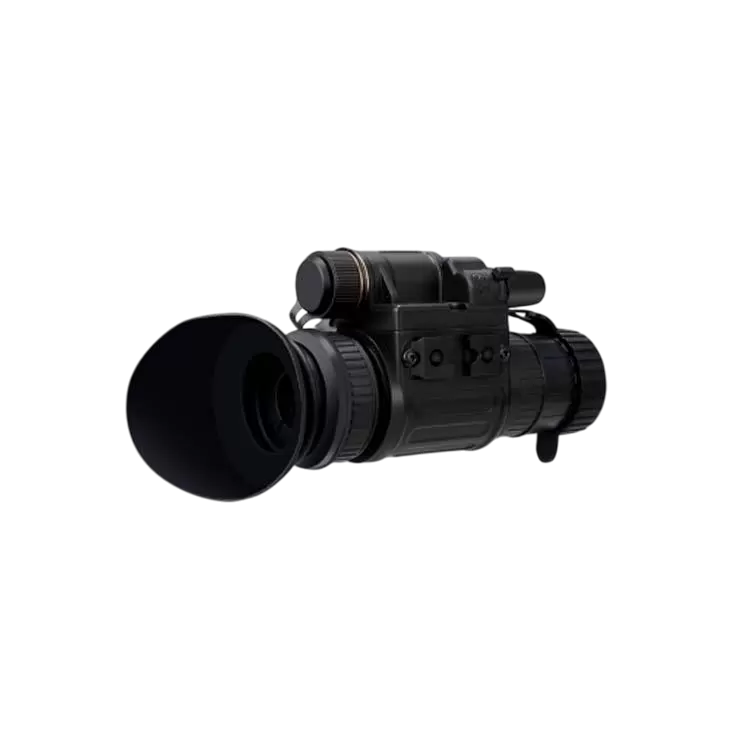
- Thermal imaging systems
- LiDAR scanners
- Fire suppression payloads
- Loudspeakers
- Communication modules
Payload integration affects:
- Center of gravity balance
- Motor load distribution
- Aerodynamic drag
- Flight control stability
Poor payload balancing may significantly reduce endurance even if the propulsion system itself is highly efficient.
Firefighting Drone Applications Require Maximum Stability
Firefighting rescue drones represent one of the most demanding operational environments for long-endurance UAV systems.
Challenges include:
- High ambient temperatures
- Turbulent airflow
- Smoke interference
- Long-duration hovering
Stable propulsion performance becomes essential for maintaining mission continuity during emergency response operations.
Jiangxi BonSure Technology Co., Ltd. develops firefighting rescue drones and high-performance brushless propulsion systems designed for industrial UAV applications requiring stable long-duration operation and reliable power delivery under demanding environmental conditions.
Battery and Motor Matching Determines System Efficiency
Battery voltage and motor KV value must be carefully matched.
Improper configuration may cause:
- Excessive current draw
- Reduced flight time
- Motor overheating
- Voltage instability
Efficient long-endurance systems optimize the entire power architecture rather than individual components alone.
Flight Control Optimization Reduces Energy Waste
Modern industrial drones increasingly rely on intelligent flight control systems to improve endurance.
Advanced control systems optimize:
- Dynamic thrust distribution
- Wind resistance compensation
- Hover correction efficiency
- Route energy management
Reducing unnecessary correction movements significantly lowers energy consumption during long-duration flights.
Reliability Matters More Than Maximum Advertised Flight Time
Many UAV manufacturers advertise endurance figures achieved under ideal conditions without payload.
Industrial users should focus on:
- Loaded endurance performance
- Thermal stability during continuous operation
- Wind resistance capability
- Real-world mission reliability
Consistent operational stability is far more valuable than short-term peak endurance claims.
How to Evaluate a Multi-Rotor Long-Endurance Drone System
Important evaluation factors include:
- Propulsion efficiency under load
- Motor thermal management capability
- Real payload endurance
- Structural vibration resistance
- Flight stability in wind conditions
- Battery safety architecture
- Payload compatibility flexibility
- Maintenance accessibility
Manufacturers with integrated drone and propulsion engineering capability typically deliver better system-level optimization.
Conclusion
Multi-rotor Drone Long Endurance performance depends on far more than battery size alone. Real endurance capability is achieved through optimized integration of brushless motors, ESC systems, propeller aerodynamics, thermal management, structural design, and intelligent flight control algorithms.
As industrial UAV applications continue expanding into high-load and mission-critical environments, propulsion efficiency and long-term operational reliability will remain central to future drone system development.
For industrial users seeking stable, scalable, and mission-ready UAV platforms, selecting a properly engineered long-endurance drone system is essential for maximizing operational efficiency and reducing long-term deployment cost.