In emergency response scenarios, time-to-visibility is often the difference between containment and escalation. Traditional ground-based firefighting and rescue operations are constrained by limited line-of-sight, hazardous environments, and delayed situational awareness. fire and rescue drones are designed to eliminate these constraints by delivering real-time aerial intelligence, high-precision thermal imaging, and rapid deployment capabilities.
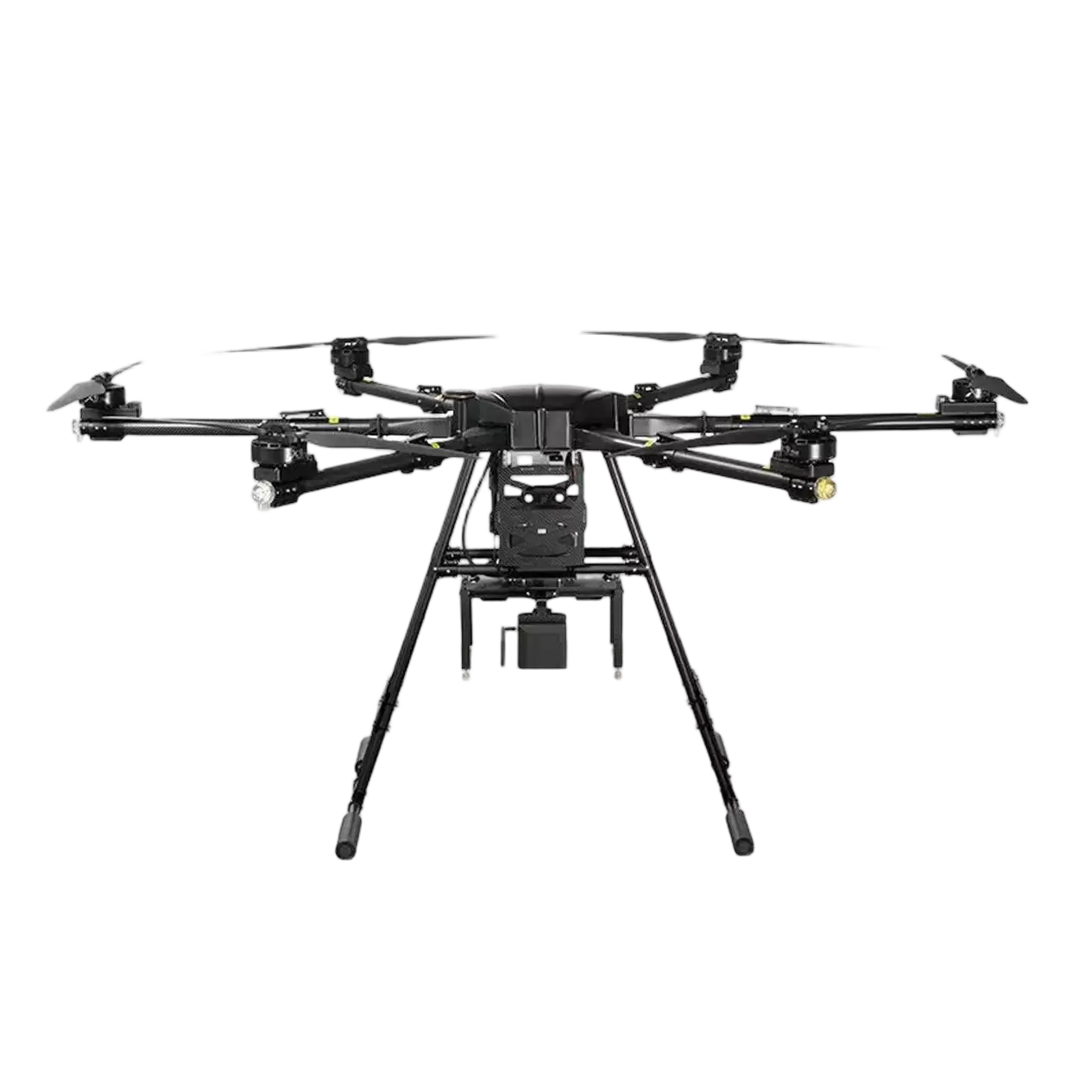
As operational demands shift toward faster response cycles and higher-risk environments, drones are no longer supplementary tools—they are becoming core assets in firefighting and rescue workflows. However, their effectiveness depends on system-level integration between sensors, propulsion systems, communication links, and payload adaptability.
This article analyzes how fire and rescue drones achieve operational reliability through thermal imaging accuracy, payload flexibility, and deployment efficiency.
From Visual Blind Spots to Real-Time Aerial Intelligence
In fire scenarios, dense smoke, structural collapse risk, and high temperatures limit human visibility. Fire and rescue drones provide immediate aerial access to these restricted zones.
Key operational advantages include:
Rapid deployment within minutes of incident arrival
Real-time video and thermal imaging transmission
Ability to access confined or elevated spaces without risk to personnel
This shift enables decision-making based on live data rather than delayed manual inspection.
Thermal Imaging Systems: Detection Accuracy Under Extreme Conditions
Thermal imaging is a core capability of fire and rescue drones. Unlike visible cameras, thermal sensors detect infrared radiation, allowing visualization of heat signatures even through smoke.
Critical performance parameters include:
Thermal sensitivity (NETD): typically <50 mK for high-resolution detection
Temperature measurement range: often extending beyond 500°C for fire scenarios
Frame rate: 25–60 Hz for real-time monitoring
High thermal sensitivity enables detection of:
Hidden fire sources behind walls or debris
Hotspots in large fire zones
Human body heat signatures in low-visibility environments
Accuracy in thermal imaging directly affects rescue success rates and fire containment strategies.
Dual-Sensor Fusion: Visual and Thermal Data Integration
Modern fire and rescue drones integrate both RGB cameras and thermal sensors.
This dual-sensor architecture allows:
Overlay of thermal data on visual imagery
Improved spatial awareness in complex environments
Accurate localization of heat sources relative to structural elements
Sensor fusion enhances decision-making by combining qualitative visual data with quantitative thermal information.
Payload Integration for Multi-Scenario Operations
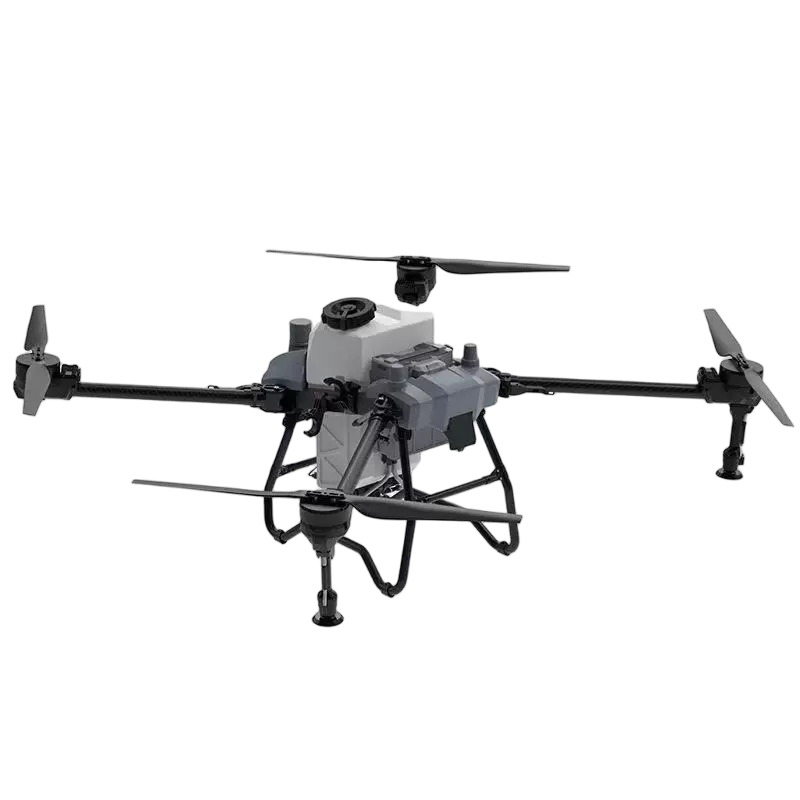
Fire and rescue drones are designed as modular platforms capable of carrying different payloads depending on mission requirements.
Common payload modules include:
Thermal imaging cameras
High-lumen searchlights exceeding 50,000 lumens
Loudspeakers for communication in rescue operations
Gas detection sensors for hazardous environments
Payload flexibility enables a single drone platform to adapt across multiple emergency scenarios without requiring separate systems.
Propulsion System Design for Stability in Harsh Conditions
Fire environments introduce extreme conditions such as high temperature updrafts, turbulent airflow, and particulate contamination.
High-performance propulsion systems are essential for maintaining flight stability.
Key propulsion characteristics include:
High-efficiency brushless motors with optimized torque output
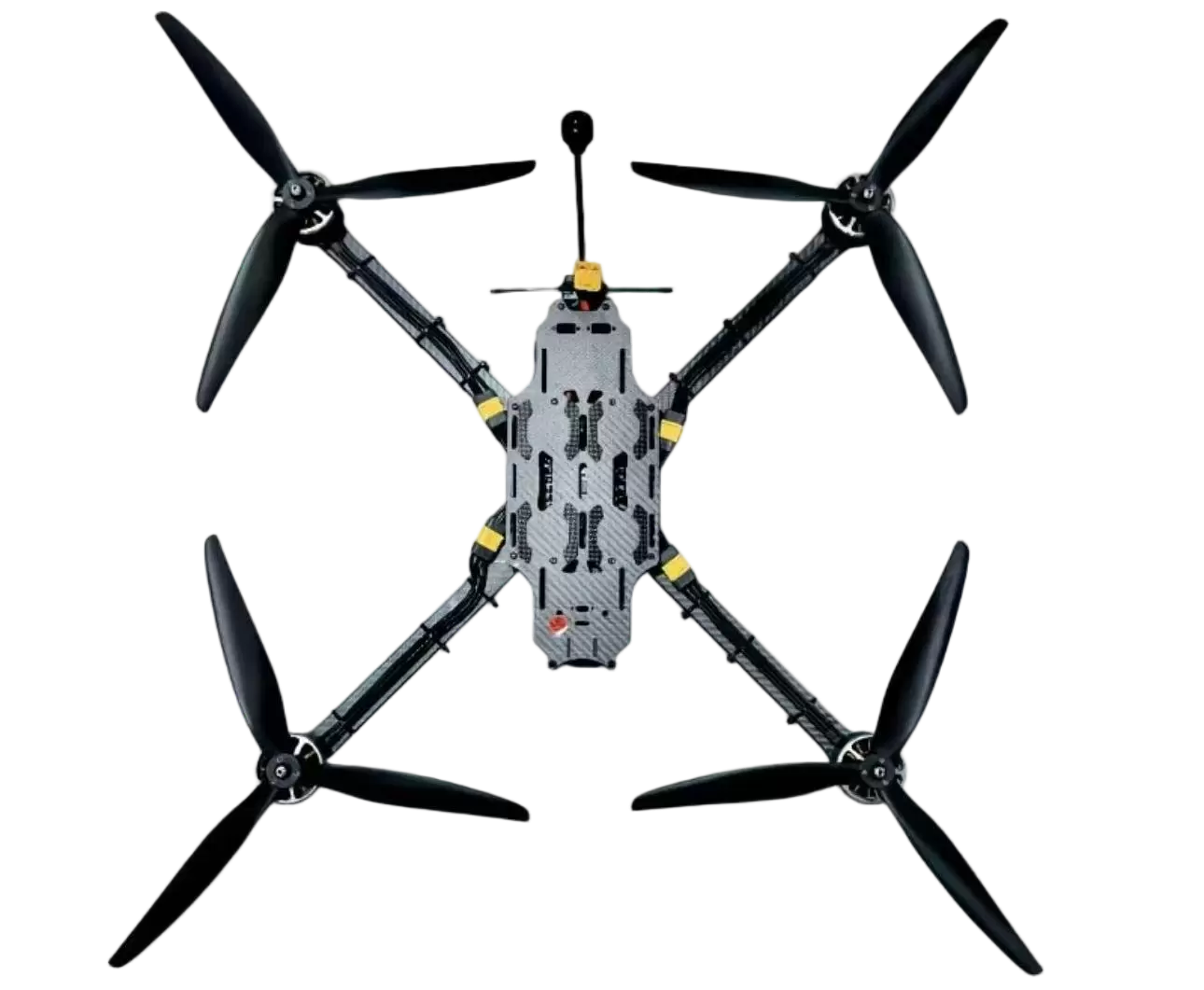
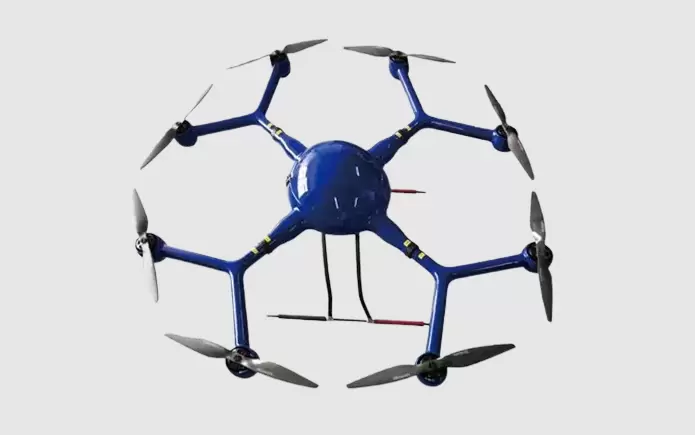
Redundant motor configurations (typically hexacopter or octocopter designs)
High thrust-to-weight ratio for stable hovering under payload load
Jiangxi BonSure Technology Co., Ltd., with its expertise in brushless motor systems, develops propulsion solutions that maintain stability under variable load and environmental conditions.
Flight Control Systems and Navigation Precision
Accurate navigation is critical when operating in complex environments such as urban fire zones or collapsed structures.
Fire and rescue drones rely on advanced flight control systems integrating:
GNSS positioning for outdoor navigation
Visual positioning systems for indoor or GPS-denied environments
Obstacle avoidance sensors for collision prevention
Precision flight control ensures safe maneuvering in confined spaces while maintaining stable imaging output.
Communication Systems and Data Transmission Reliability
Real-time data transmission is essential for effective emergency response.
Fire and rescue drones utilize:
High-bandwidth digital transmission systems
Long-range communication links often exceeding several kilometers
Anti-interference protocols for urban environments
Reliable communication ensures uninterrupted video and telemetry data, even in environments with electromagnetic interference.
Rapid Deployment and Operational Efficiency
In emergency scenarios, deployment time directly impacts response effectiveness.
Fire and rescue drones are designed for:
Fast setup and launch within minutes
Pre-configured flight modes for specific missions
Automated return-to-home and fail-safe functions
Reduced deployment time enables immediate situational assessment upon arrival.
Application Scenarios in Fire and Rescue Operations
Urban firefighting operations require rapid aerial assessment of building structures and fire spread patterns.
Wildfire monitoring benefits from large-area coverage and hotspot detection over extended terrain.
Search and rescue missions rely on thermal detection to locate individuals in low-visibility environments.
Industrial accident response uses drones for hazard detection and remote inspection.
Challenges and Engineering Solutions
Thermal interference from high-temperature environments can affect sensor accuracy. Advanced calibration algorithms mitigate this issue.
Battery performance degradation under high heat conditions is addressed through thermal-resistant battery design.
Signal obstruction in dense urban environments is managed through multi-channel communication redundancy.
Conclusion
fire and rescue drones are transforming emergency response by providing real-time situational awareness, precise thermal detection, and flexible payload capabilities.
Their effectiveness depends on integration between imaging systems, propulsion stability, communication reliability, and rapid deployment mechanisms.
With continued innovation from companies like Jiangxi BonSure Technology Co., Ltd., fire and rescue drones are evolving into highly reliable, intelligent systems capable of operating in the most demanding emergency environments.