As industrial drone applications continue expanding across emergency rescue, inspection, mapping, logistics, and public safety operations, endurance has become one of the most critical performance indicators in multi-rotor platforms. In real operational environments, flight time directly determines mission coverage, operational efficiency, response capability, and overall deployment cost.
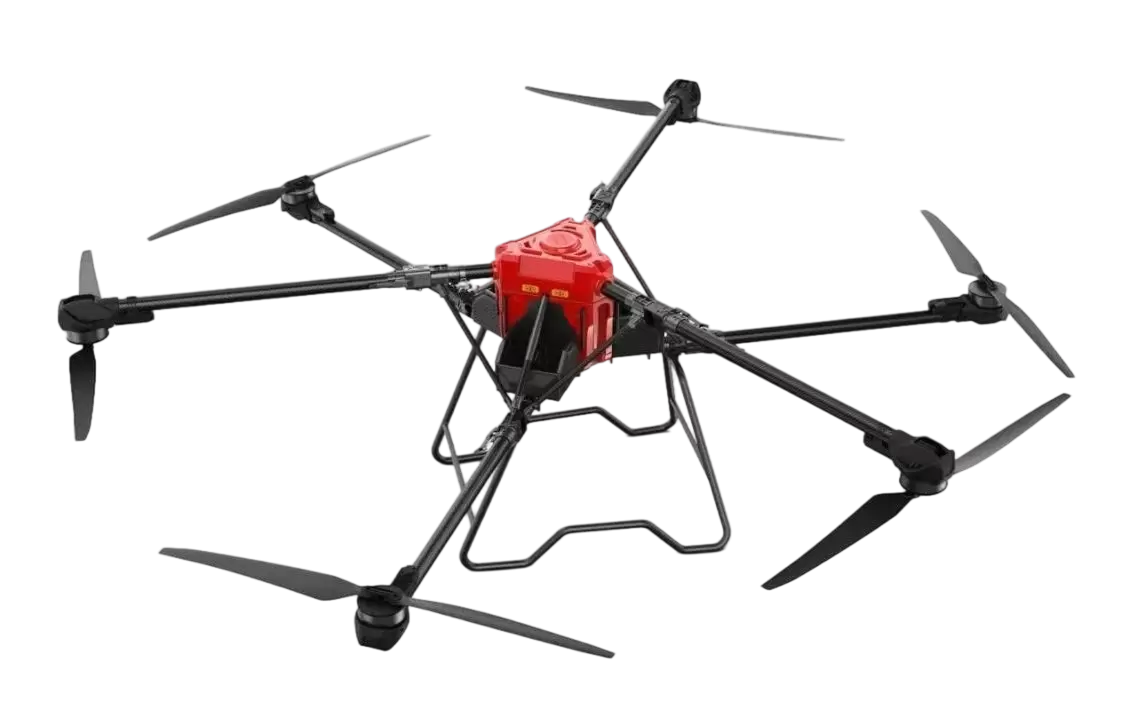
This is why Multi-rotor Drone Long Endurance technology has become a major focus in modern UAV engineering.
Traditional multi-rotor drones often face limitations such as short flight duration, high energy consumption, unstable payload performance, and excessive thermal stress during continuous operation. These issues become especially critical in firefighting, search and rescue, and long-range industrial inspection tasks where uninterrupted flight capability is essential.
Modern long-endurance drone systems are therefore designed through integrated optimization of propulsion systems, aerodynamic structure, energy management, and intelligent flight control architecture.
Why Endurance Is the Core Metric in Industrial Multi-Rotor Systems
In consumer drones, flight time mainly affects user convenience. In industrial applications, endurance directly affects operational capability.
For example, in emergency rescue operations, limited endurance may reduce:
- Thermal imaging search coverage
- Communication relay duration
- Fire monitoring continuity
- Payload delivery range
In infrastructure inspection tasks, short flight duration increases:
- Battery replacement frequency
- Mission interruption risk
- Labor dependency
- Total inspection time
Industrial users increasingly require flight durations exceeding:
- 40–60 minutes for medium payload systems
- 90 minutes or more for specialized long-endurance platforms
Achieving this performance requires balancing multiple engineering variables simultaneously.
Propulsion Efficiency Is the Foundation of Long Endurance
The propulsion system is the largest energy consumer in any multi-rotor drone.
Key components include:
- Brushless motors
- ESC systems
- Propellers
- Power distribution modules
Efficiency losses in any of these areas directly reduce flight time.
High-efficiency brushless motors designed for Multi-rotor Drone Long Endurance applications typically optimize:
- Torque-to-weight ratio
- Copper winding efficiency
- Magnetic flux density
- Heat dissipation capability
- Low-RPM stability
Larger-diameter propellers operating at lower rotational speeds generally improve propulsion efficiency because they generate more lift with lower energy consumption.
However, larger propeller systems also require stronger structural rigidity and more advanced flight control compensation.
Battery Energy Density Determines Flight Ceiling
Battery technology remains one of the primary constraints limiting drone endurance.
Most industrial long-endurance drones currently use:
- High-energy-density lithium-ion batteries
- LiPo systems for high-discharge applications
- Hybrid power configurations in specialized scenarios
Key battery performance parameters include:
- Energy density (Wh/kg)
- Continuous discharge capability
- Thermal stability
- Cycle lifespan
- Weight-to-capacity ratio
Higher energy density improves flight time, but excessive battery weight may reduce efficiency gains due to increased lift demand.
This creates a critical engineering balance between payload, battery capacity, and aerodynamic efficiency.
Lightweight Structural Design Improves Efficiency
Drone frame design directly affects:
- Total takeoff weight
- Aerodynamic drag
- Vibration transmission
- Structural rigidity
Modern Multi-rotor Drone Long Endurance systems increasingly use:
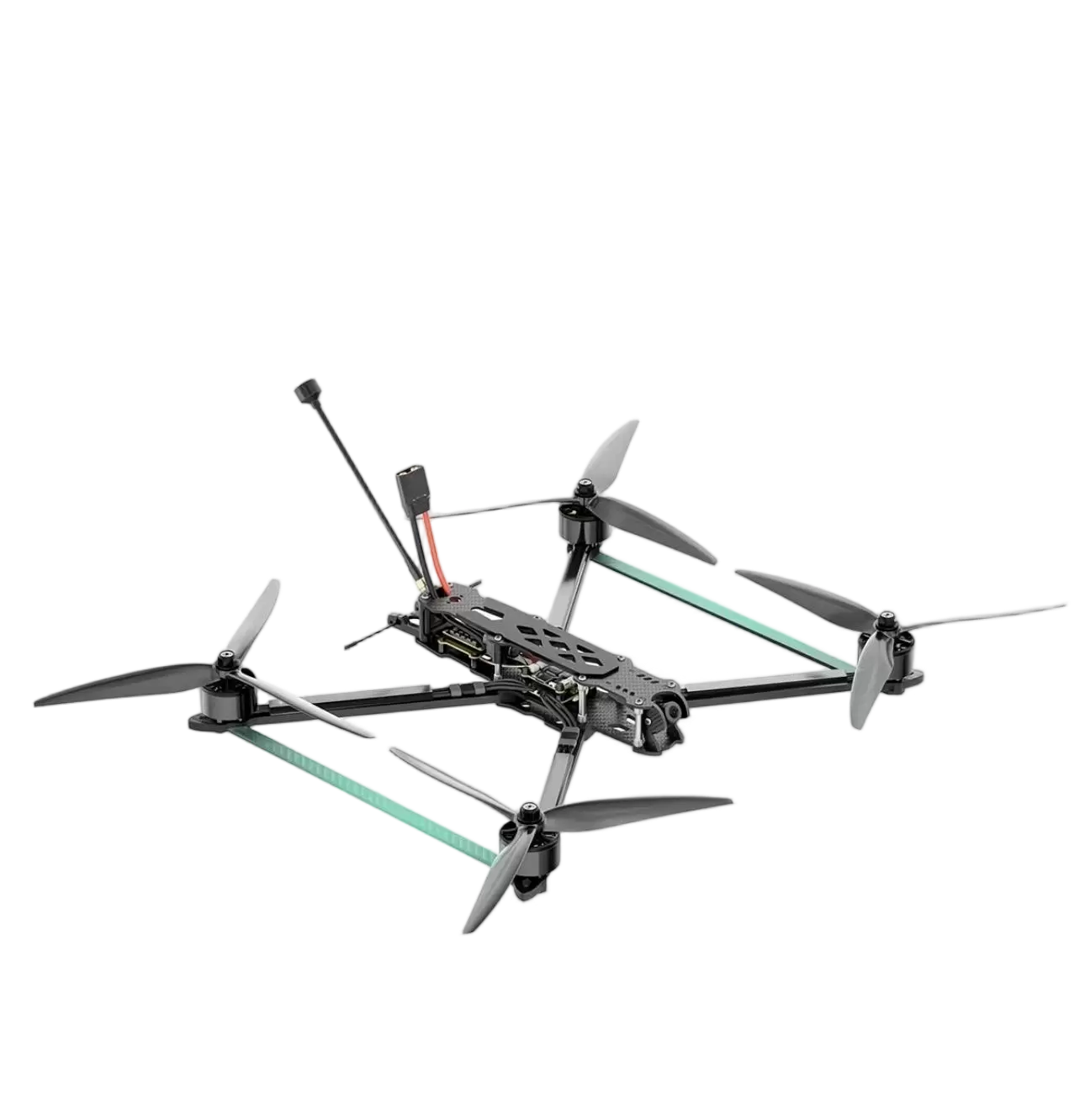
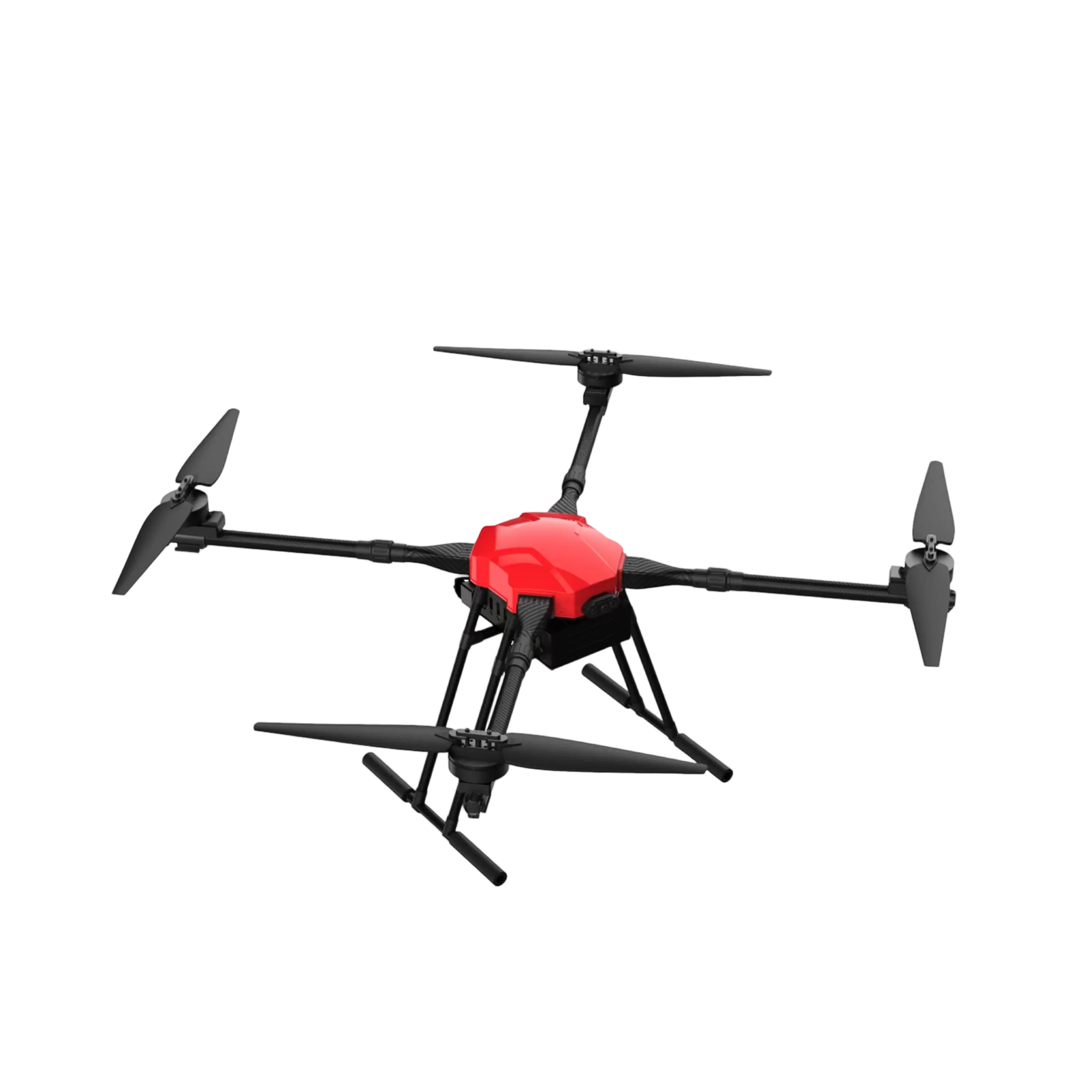
- Carbon fiber composite frames
- Lightweight aluminum alloy structures
- Integrated modular airframes
- Topology-optimized structural layouts
Reducing unnecessary structural weight allows more energy to be allocated to payload and mission duration.
However, lightweight design cannot compromise vibration resistance or mechanical reliability, especially in industrial and rescue environments.
Thermal Management Is Often Overlooked
Long-duration flight creates continuous thermal stress on:
- Motors
- ESC modules
- Batteries
- Flight controllers
Poor thermal management may cause:
- Motor efficiency decline
- Battery degradation
- ESC overheating shutdown
- Flight instability under high load
Industrial-grade long-endurance drones increasingly integrate:
- Passive airflow cooling channels
- Heat-dissipating motor housings
- Thermal balancing structures
- Intelligent temperature monitoring systems
Stable thermal control is essential for maintaining consistent propulsion efficiency during extended missions.
Flight Control Algorithms Affect Real-World Endurance
Two drones with identical hardware may achieve different endurance performance depending on flight control optimization.
Advanced flight controllers improve efficiency through:
- Adaptive thrust allocation
- Wind compensation algorithms
- Intelligent power distribution
- Dynamic motor balancing
- Route optimization logic
Stable flight control reduces unnecessary power fluctuations and improves energy utilization efficiency.
Payload Optimization Is Critical for Mission Stability
Industrial drones rarely fly without payload.
Common payloads include:
- Thermal imaging cameras
- Fire suppression systems
- LiDAR sensors
- Loudspeaker systems
- Gas detectors
- Communication relay modules
Payload integration directly affects:
- Center of gravity balance
- Flight stability
- Power consumption
- Aerodynamic efficiency
Poor payload integration often causes excessive energy loss and unstable flight dynamics.
Firefighting and Rescue Operations Demand Longer Flight Time
Fire rescue drones are among the most demanding long-endurance applications.
These systems must operate reliably in:
- High-temperature environments
- Dense smoke conditions
- Strong airflow turbulence
- Complex urban structures
Extended endurance allows:
- Larger fire area coverage
- Continuous thermal monitoring
- Real-time situational awareness
- Longer communication relay support
Jiangxi BonSure Technology Co., Ltd. specializes in firefighting rescue drones and high-performance brushless propulsion systems, focusing on integrated UAV solutions designed for high-efficiency industrial and emergency response applications.
Wind Resistance and Stability Affect Energy Consumption
Outdoor industrial drone operations often involve unstable environmental conditions.
Wind resistance directly influences:
- Hovering power consumption
- Flight path stability
- Motor load distribution
- Overall endurance performance
Advanced long-endurance systems optimize:
- Propeller aerodynamic efficiency
- Motor torque response
- Airframe stability
- Flight control compensation algorithms
Reducing aerodynamic instability helps maintain efficient energy consumption during long-duration operations.
Communication Systems Also Impact Power Management
Long-range industrial drones require stable communication systems for:
- HD video transmission
- Telemetry monitoring
- Autonomous mission control
- Real-time payload feedback
Communication modules consume significant power during extended operation.
Modern systems therefore optimize:
- Signal transmission efficiency
- Antenna design
- Data compression algorithms
- Adaptive communication power management
Reliability Is More Important Than Peak Flight Time
Some drone systems advertise maximum endurance under ideal no-load conditions.
In industrial applications, real operational stability matters more than laboratory benchmarks.
A reliable Multi-rotor Drone Long Endurance system must maintain stable performance under:
- Full payload conditions
- High-temperature operation
- Continuous flight cycles
- Wind disturbances
- Emergency maneuvering scenarios
Consistency and reliability determine true operational value.
How to Evaluate a Long-Endurance Drone Supplier
Key evaluation criteria include:
- Propulsion system efficiency
- Real payload endurance performance
- Thermal management capability
- Structural durability
- Flight stability under wind load
- Battery safety systems
- Payload integration flexibility
- Technical support capability
Manufacturers with integrated motor and drone engineering expertise generally provide more optimized long-endurance performance.
Conclusion
Modern Multi-rotor Drone Long Endurance systems are the result of integrated optimization across propulsion engineering, structural design, thermal management, energy control, and intelligent flight algorithms.
As industrial UAV applications continue demanding longer mission duration and higher operational efficiency, endurance optimization will remain one of the most important competitive factors in drone system development.
For industrial users operating in rescue, inspection, security, and infrastructure management environments, selecting a high-efficiency long-endurance drone platform directly affects mission capability, operational continuity, and long-term deployment cost.