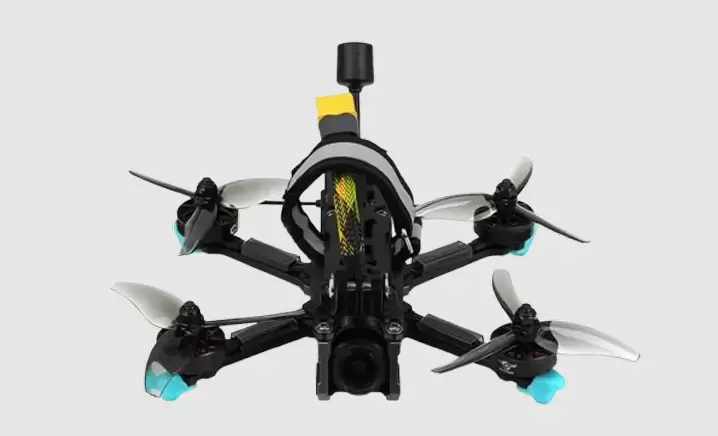
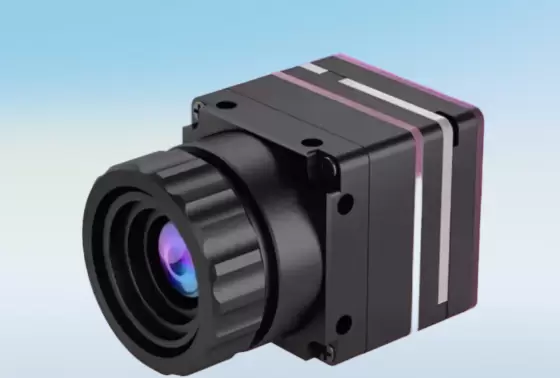
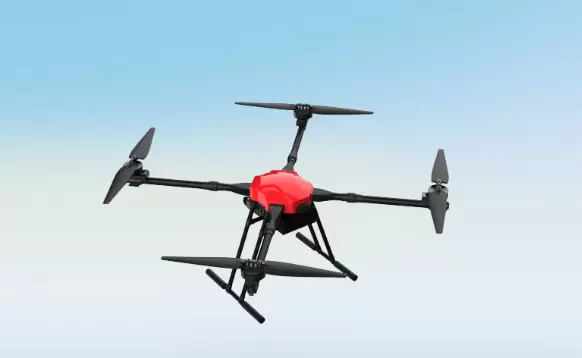
Fire rescue operations increasingly rely on unmanned aerial systems to improve situational awareness, reduce response time, and enhance operational safety. Among all UAV categories, Multi-rotor Drone Long Endurance platforms have become especially valuable because they combine hovering capability, payload flexibility, and stable low-altitude operation with extended mission duration.
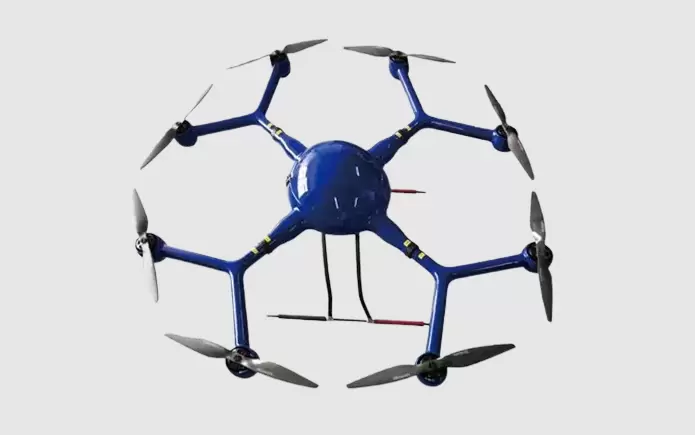
In real emergency environments, endurance is not simply a technical specification. It directly affects how long a drone can provide thermal imaging, communication relay, aerial lighting, gas monitoring, or firefighting support during rapidly evolving incidents.
Modern fire rescue drones therefore require highly optimized integration of propulsion systems, thermal management, structural reliability, and intelligent flight control systems.
Why Endurance Is Critical in Fire Rescue Missions
Traditional drones often provide only limited flight duration under payload conditions.
In fire rescue scenarios, short endurance creates several operational problems:
- Frequent battery replacement interruptions
- Reduced monitoring continuity
- Limited search coverage
- Increased deployment complexity
Long-endurance multi-rotor drones improve emergency operations by maintaining continuous aerial support during:
- Urban fire incidents
- Forest fire monitoring
- Hazardous material response
- Disaster search operations
- Night rescue missions
Extended hovering capability is especially important for maintaining stable thermal imaging observation over active fire zones.
Thermal Resistance Becomes a Core Engineering Challenge
Fire rescue drones operate in extreme thermal environments.
High ambient temperatures and rising hot airflow can affect:
- Motor efficiency
- Battery stability
- Flight controller reliability
- Sensor performance
Industrial Multi-rotor Drone Long Endurance systems designed for rescue applications increasingly integrate:
- Heat-resistant electronic protection
- High-temperature motor insulation
- Advanced airflow cooling structures
- Thermal monitoring systems
Maintaining stable propulsion performance under thermal stress is essential for mission continuity.
Payload Capacity Must Balance Endurance
Fire rescue drones often carry complex payload systems including:
- Thermal imaging cameras
- Loudspeaker systems
- Searchlights
- Gas detectors
- Fire suppression payloads
- Communication relay modules
Every additional payload increases energy consumption.
Long-endurance systems therefore optimize:
- Power-to-weight ratio
- Structural efficiency
- Payload integration balance
- Flight stability under varying load conditions
Efficient system integration allows drones to maintain operational endurance without sacrificing payload capability.
Wind Resistance Is Essential in Emergency Environments
Fire incidents frequently generate unstable airflow and turbulence.
Poor wind resistance may cause:
- Hover instability
- Increased power consumption
- Reduced image clarity
- Flight control overload
Industrial-grade rescue drones optimize aerodynamic stability through:
- High-torque propulsion systems
- Intelligent flight compensation algorithms
- Rigid lightweight airframes
- Advanced attitude stabilization systems
Stable hovering improves operational precision during emergency missions.
Communication Reliability Directly Impacts Rescue Coordination
Fire rescue drones often serve as airborne communication platforms.
Reliable data transmission supports:
- Real-time command coordination
- Thermal imaging analysis
- Hazard zone monitoring
- Team deployment management
Long-endurance UAV systems increasingly integrate:
- Dual-link communication systems
- Extended transmission range
- Interference-resistant data protocols
- Redundant signal architecture
Stable communication becomes especially critical in urban emergency environments with heavy signal interference.
Intelligent Flight Systems Improve Operational Safety
Modern fire rescue drones increasingly rely on AI-assisted flight systems to reduce operator workload.
Advanced systems support:
- Obstacle avoidance
- Autonomous route planning
- Intelligent hovering
- Return-to-home safety logic
- Real-time environmental adaptation
These functions improve both endurance efficiency and mission safety.
Battery Safety Is a High-Priority Requirement
High-load emergency operations place significant stress on drone batteries.
Industrial rescue drones therefore require:
- High-discharge battery systems
- Thermal runaway protection
- Intelligent battery balancing
- Real-time battery health monitoring
Battery safety becomes especially important in high-temperature firefighting environments.
Structural Reliability Determines Mission Continuity
Fire rescue drones may encounter:
- Smoke contamination
- Water exposure
- Dust ingress
- Mechanical vibration
Industrial systems therefore use:
- Carbon fiber composite frames
- Waterproof sealing structures
- Corrosion-resistant materials
- Vibration-resistant mounting systems
Structural reliability directly affects long-term deployment capability.
Jiangxi BonSure Technology Co., Ltd. focuses on firefighting rescue drones and high-performance brushless propulsion systems, providing industrial UAV platforms engineered for demanding emergency response and long-duration operational environments.
Real-World Endurance Is More Important Than Laboratory Data
Advertised endurance figures often differ significantly from real operational performance.
Industrial users should evaluate endurance under:
- Full payload conditions
- Wind load scenarios
- High-temperature operation
- Continuous hovering missions
Real-world stability is far more valuable than theoretical no-load flight time.
Choosing the Right Fire Rescue Drone System
Key evaluation factors include:
- Loaded flight endurance
- Thermal resistance capability
- Payload flexibility
- Wind resistance performance
- Communication reliability
- Flight stability under turbulence
- Battery safety systems
- Maintenance accessibility
System-level engineering integration is the key to reliable rescue performance.
Conclusion
Multi-rotor Drone Long Endurance systems are transforming modern fire rescue and emergency response operations by providing longer mission duration, stable aerial observation, and improved operational flexibility.
As emergency response environments become more complex, industrial UAV systems must deliver not only extended flight time but also thermal stability, payload efficiency, communication reliability, and long-term operational durability.
For organizations seeking reliable emergency aerial platforms, selecting a properly engineered long-endurance multi-rotor drone system is becoming a critical part of modern rescue infrastructure planning.