When operating in low-light or nighttime environments, choosing the right optical equipment can make a significant difference in performance, safety, and efficiency. Two of the most commonly compared technologies are the Luneta Viso Termal (thermal scope) and the night vision scope. While both are designed for use in darkness, they work on very different principles and are suited to different applications.
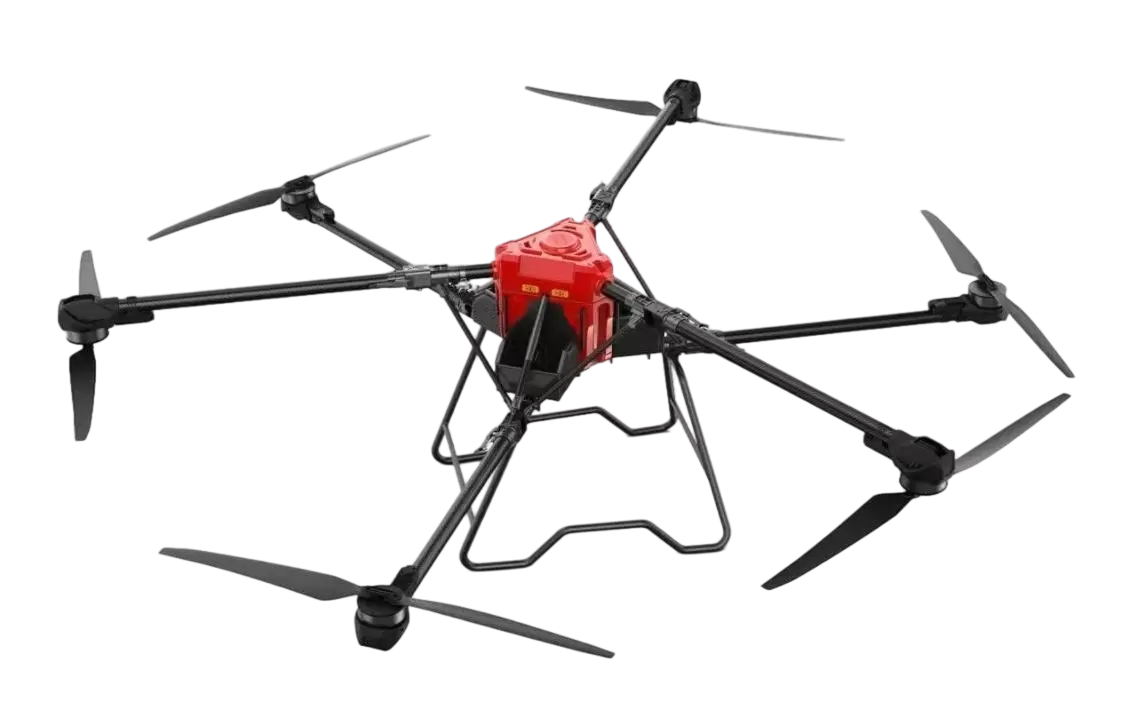
With the growing adoption of thermal imaging in fields such as security, rescue, and unmanned aerial systems, understanding these differences has become increasingly important. Companies like Jiangxi BonSure Technology Co., Ltd., which specializes in firefighting rescue drones, drone accessories, and high-performance brushless motor systems, are actively expanding the real-world applications of thermal imaging technology in professional environments.
How Luneta Viso Termal Works
A Luneta Viso Termal detects infrared radiation (heat) emitted by objects, animals, or people. Instead of relying on visible light, it converts temperature differences into a clear visual image, often displayed in grayscale or color palettes.
Key characteristics include:
Works in complete darkness
Detects heat through fog, smoke, and light vegetation
Highlights warm targets against cooler backgrounds
This technology is widely used in hunting, surveillance, search and rescue, and firefighting scenarios where visibility is limited.
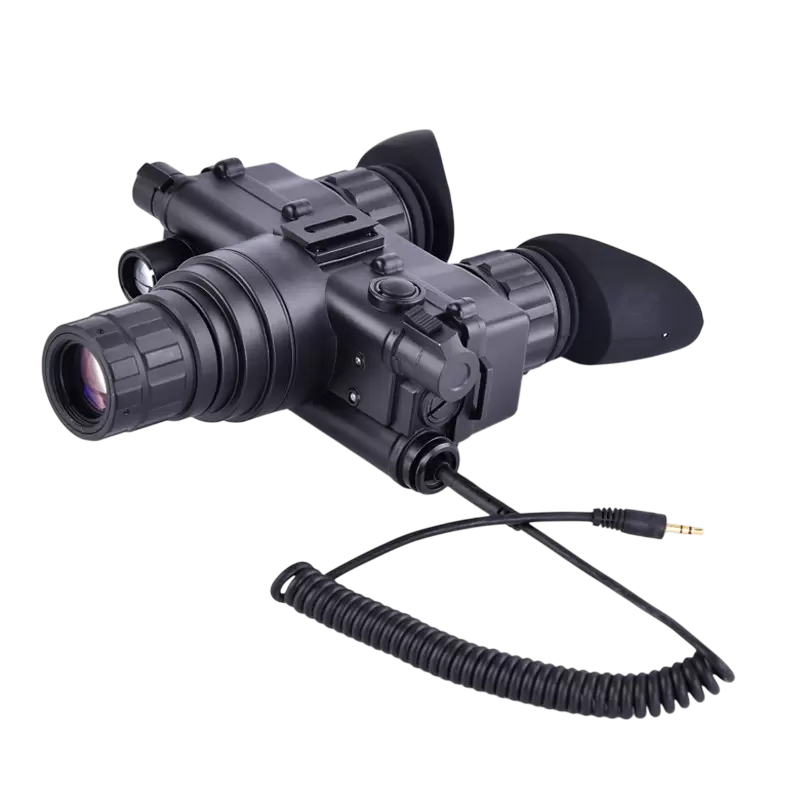
How Night Vision Scopes Work
Night vision scopes amplify ambient light, such as moonlight or starlight, to create a visible image. They do not detect heat; instead, they enhance existing light to help users see in the dark.
Typical features include:
Requires some level of ambient light
Produces a green-tinted image
Offers a more natural visual detail of surroundings
Night vision scopes are commonly used for navigation, observation, and tactical operations in environments with at least minimal light sources.
Key Differences Between Luneta Viso Termal and Night Vision Scope
1. Visibility in Total Darkness
Luneta Viso Termal: Performs perfectly in complete darkness with no light at all.
Night Vision Scope: Performance drops significantly without ambient light unless assisted by infrared illuminators.
2. Detection vs Identification
Thermal scope: Excellent for detecting targets quickly due to heat contrast, even if the target is partially concealed.
Night vision scope: Better for identifying shapes, facial features, or terrain details when light is available.
3. Performance in Harsh Conditions
Luneta Viso Termal: Effective in smoke, fog, dust, and light rain.
Night vision scope: Image quality can degrade in poor weather or obscured environments.
4. Stealth and Concealment
Thermal scope: Does not rely on visible or infrared illumination, offering better concealment.
Night vision scope: Infrared illuminators may reveal the user’s position to others with similar equipment.
5. Application Scenarios
Luneta Viso Termal: Ideal for night hunting, surveillance, firefighting, and search-and-rescue missions.
Night vision scope: Suitable for navigation, observation, and operations requiring detailed visual recognition.
Use in Modern Surveillance and Drone Systems
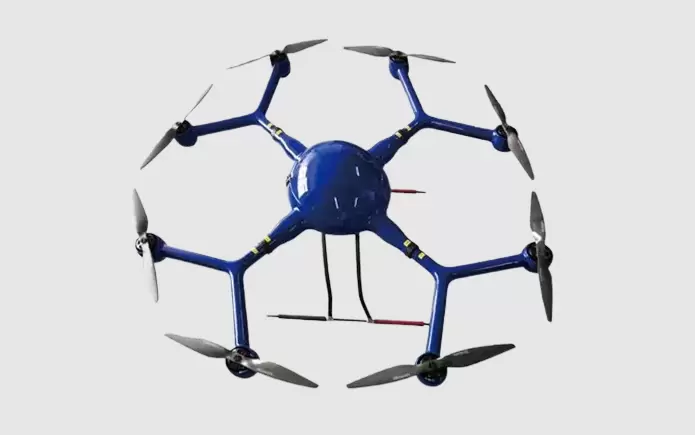
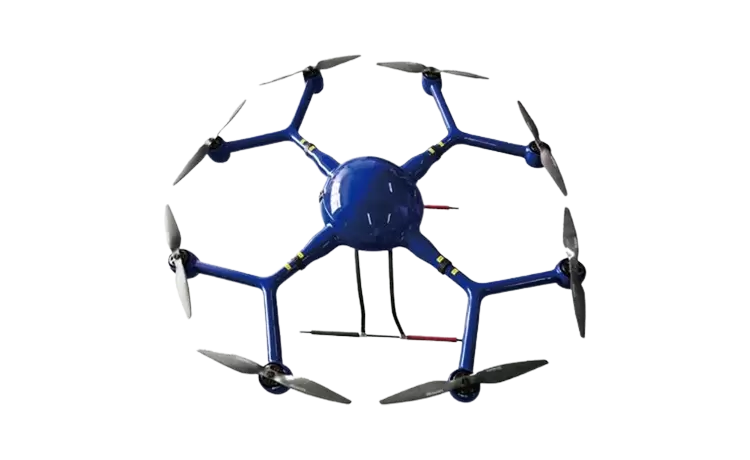
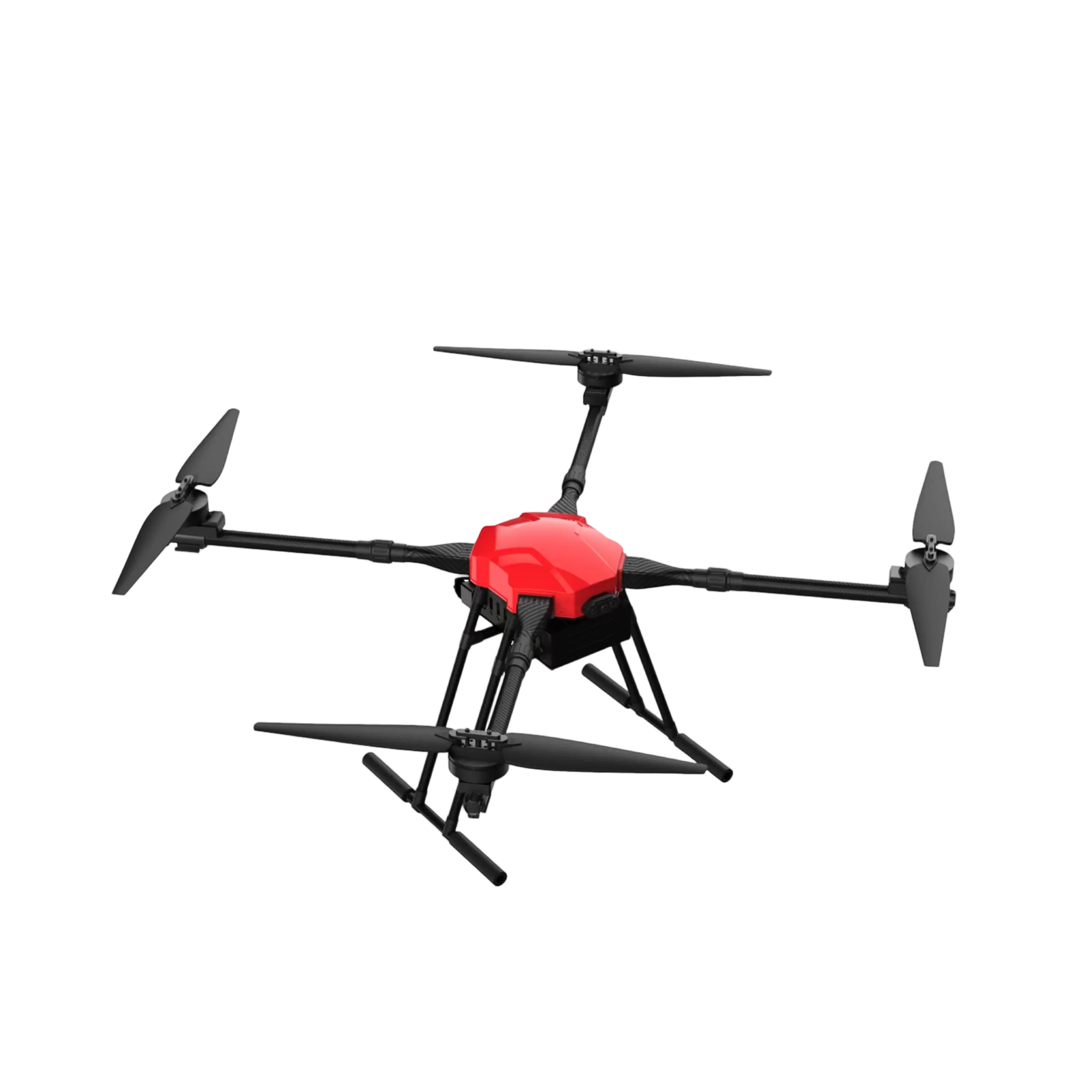
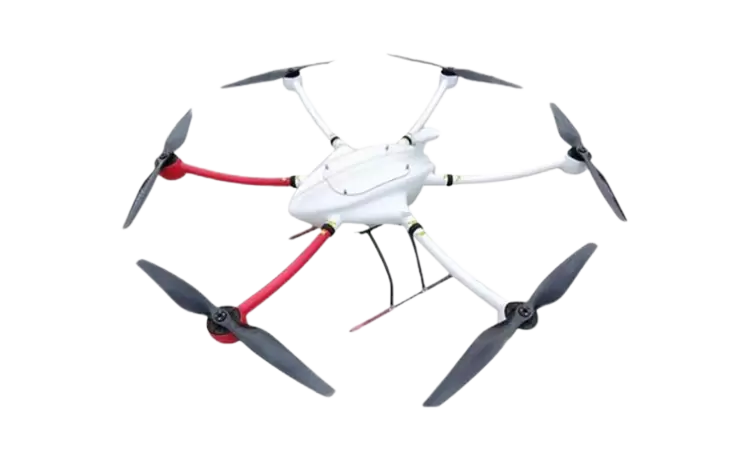
Thermal imaging has become increasingly important in unmanned systems. Jiangxi BonSure Technology Co., Ltd. integrates advanced imaging solutions into firefighting rescue drones, allowing operators to detect heat sources, locate trapped individuals, and monitor hazardous areas from the air.
Powered by high-efficiency brushless motor systems, BonSure’s drones maintain stable flight and extended endurance while carrying thermal imaging payloads. This combination significantly enhances nighttime surveillance and emergency response capabilities, where traditional night vision alone may be insufficient.
Which One Should You Choose?
The choice between a Luneta Viso Termal and a night vision scope depends on your specific needs:
Choose a Luneta Viso Termal if you prioritize fast detection, performance in total darkness, and reliability in harsh conditions.
Choose a night vision scope if you need detailed visual recognition in environments with some ambient light.
In many professional applications, combining both technologies provides the most comprehensive situational awareness.
Conclusion
Both Luneta Viso Termal and night vision scopes are powerful tools for nighttime operations, but they serve different purposes. Thermal scopes excel at detecting heat and ensuring visibility in complete darkness and challenging environments, while night vision scopes offer clearer visual detail when ambient light is available.
As thermal imaging continues to advance and integrate with modern platforms such as drones, its value is expanding rapidly. Supported by innovative manufacturers like Jiangxi BonSure Technology Co., Ltd., thermal imaging solutions are playing an increasingly critical role in surveillance, rescue, and firefighting operations—helping professionals see what the human eye simply cannot.