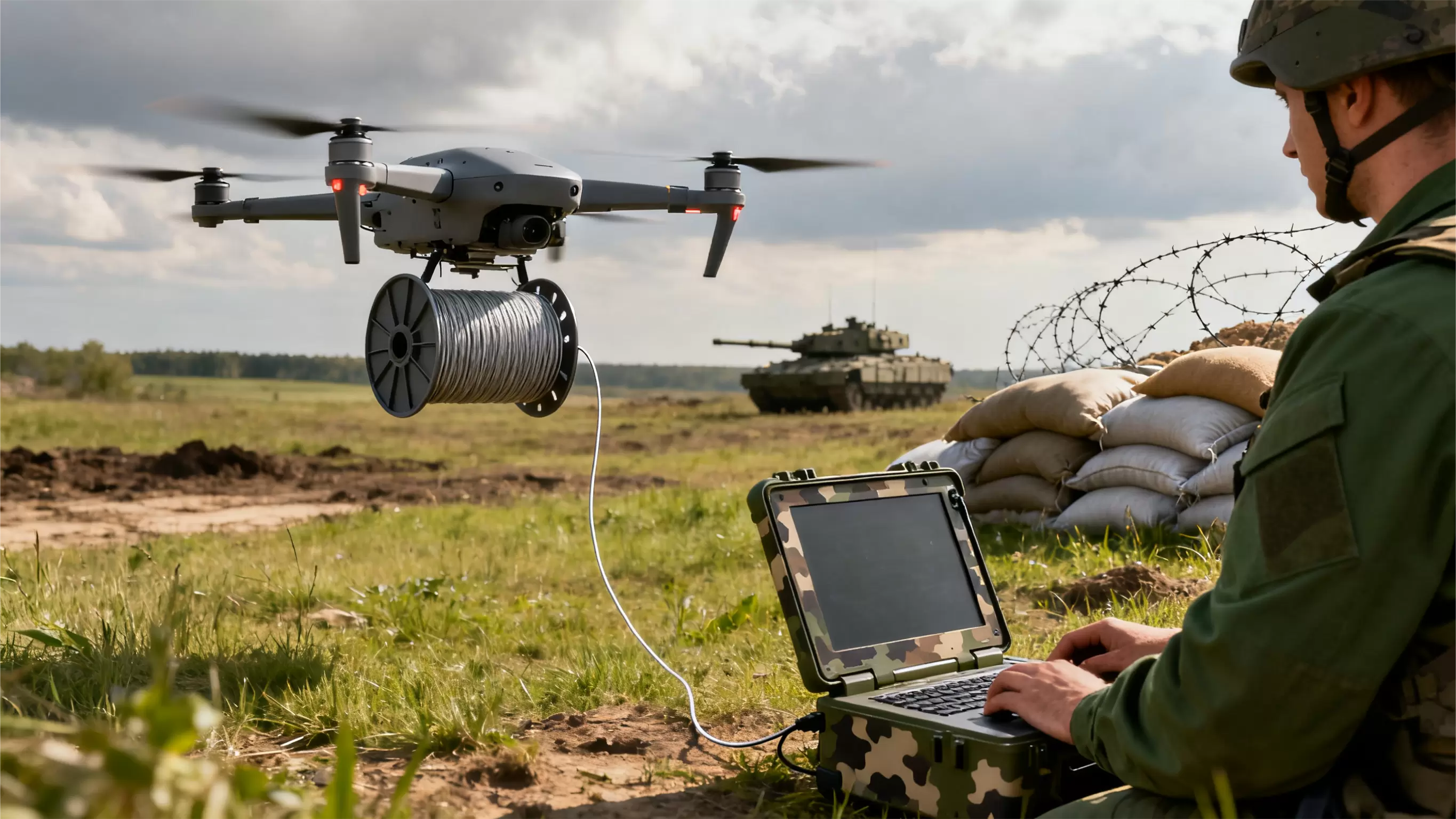
In modern FPV and industrial UAV systems, energy efficiency has become one of the most critical performance indicators. While speed and agility define traditional FPV racing performance, real-world applications such as firefighting drones, inspection UAVs, and long-range FPV platforms demand extended flight time, stable power output, and predictable energy consumption.
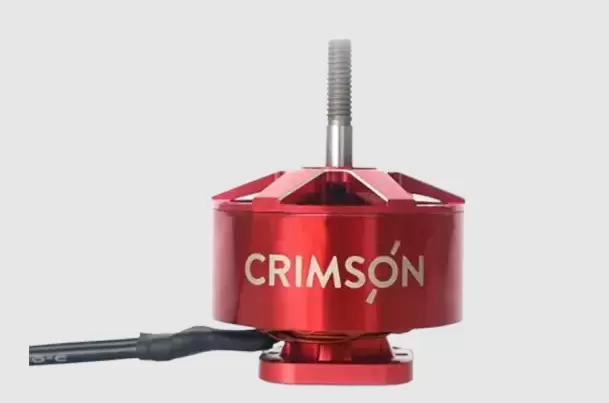
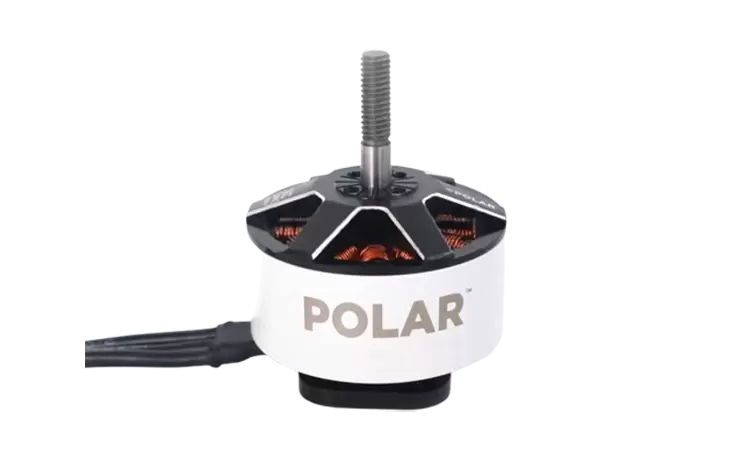
At the center of this performance balance is the FPV Drone Motor, which directly influences thrust efficiency, current draw, thermal stability, and battery utilization.
Inefficient motor systems often lead to:
- High current consumption (exceeding 80–120A peak in 6S systems)
- Rapid battery voltage sag
- Reduced flight endurance (below expected mission time)
- Excessive motor heating
- ESC overload stress
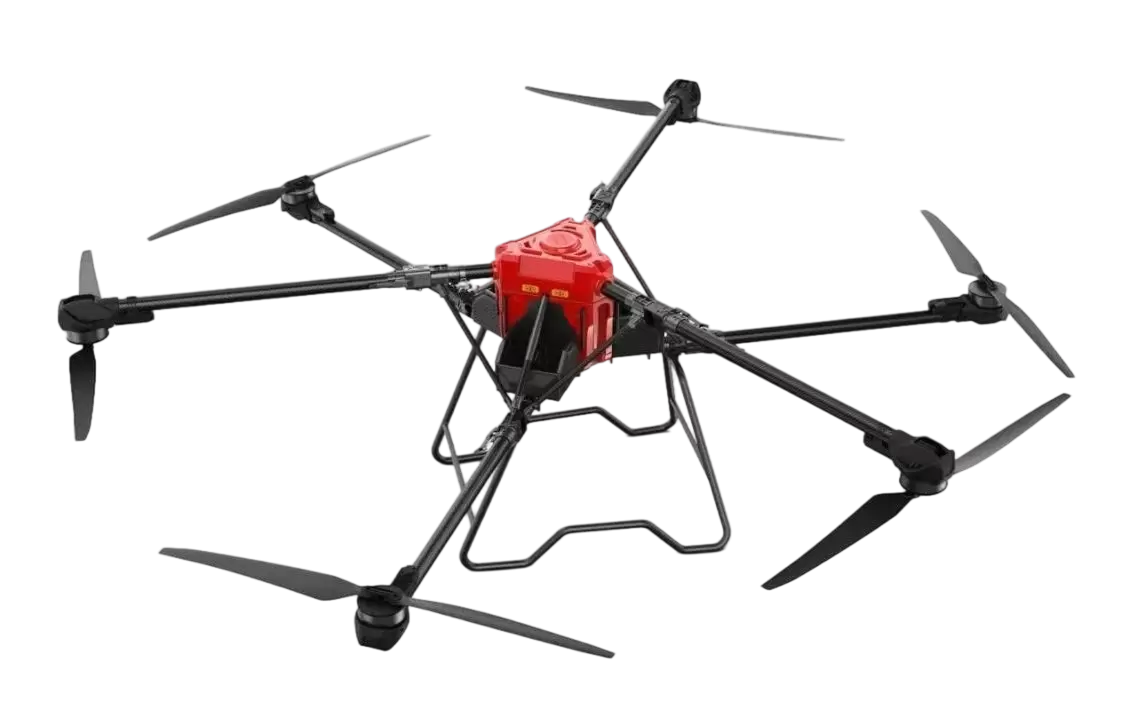
Jiangxi BonSure Technology Co., Ltd. specializes in high-performance brushless power systems and UAV platforms, including firefighting drones and industrial UAV solutions. The company focuses on delivering efficient motor systems optimized for demanding operational environments.
Electrical Efficiency Defines Real Flight Time
Motor efficiency is determined by how effectively electrical energy is converted into mechanical thrust.
Key loss factors include:
- Copper resistance loss (I²R loss)
- Iron core hysteresis loss
- Eddy current loss
- Mechanical friction loss
High-quality FPV Drone Motor designs reduce energy loss through:
- High-purity copper windings
- Optimized stator lamination thickness (0.2–0.35 mm range)
- Low-resistance circuit design
- Precision air gap control
Even a 5–8% efficiency improvement can result in significantly longer flight times in real FPV operations.
Stator Size and Power Density Optimization
Motor stator size directly determines torque output and efficiency balance.
Common FPV stator configurations:
- 2207: balanced racing performance
- 2306: smoother torque curve, freestyle optimization
- 2806+: high torque for long-range or payload drones
Larger stator volume generally provides:
- Higher torque efficiency
- Lower operating temperature under load
- Better propeller control stability
However, increased size also increases:
- Weight
- Rotor inertia
- Current demand
Proper engineering balance is required to avoid diminishing returns.
Voltage Systems and Current Optimization
Modern FPV systems increasingly operate on:
- 4S (14.8V): entry-level racing
- 6S (22.2V): industry standard
- 8S (29.6V): high-performance long-range systems
Higher voltage systems reduce current draw for the same power output:
Power = Voltage × Current
For example:
- 1000W load at 4S (~15V) ≈ 67A
- 1000W load at 6S (~22V) ≈ 45A
Lower current results in:
- Reduced heat generation
- Improved efficiency
- Lower ESC stress
- Extended battery life
FPV Drone Motor selection must align with system voltage to optimize energy consumption.
Aerodynamic Load Matching Reduces Energy Waste
Motor efficiency is heavily influenced by aerodynamic load from propellers.
If motor-prop mismatch occurs:
- Excess current draw occurs
- Throttle becomes nonlinear
- Motor temperature rises rapidly
- Battery drains faster
Optimal matching ensures:
- RPM stability under load
- Efficient thrust generation
- Reduced oscillation in power demand
For long-range FPV systems, 6–7 inch propellers combined with low-KV motors (1200–1500KV) significantly improve energy efficiency.
Magnetic Circuit Design Affects Continuous Efficiency
Motor magnetic design determines how effectively electromagnetic force is converted into torque.
Key parameters include:
- Magnet grade (N52 preferred for high performance)
- Pole count optimization
- Air gap uniformity
- Flux density control
Poor magnetic design leads to:
- Torque ripple
- Heat concentration
- Reduced efficiency at high load
High-performance FPV Drone Motor systems use precision magnet placement to ensure consistent magnetic field distribution.
Weight Optimization Improves Flight Endurance
In UAV systems, every gram affects flight time.
Motor weight impacts:
- Total thrust-to-weight ratio
- Acceleration efficiency
- Battery discharge rate
Typical FPV motor weights:
- 2207 class: 28–33g
- 2306 class: 30–36g
- 2806 class: 45–60g
Lightweight designs improve:
- Agility
- Energy efficiency
- Flight endurance
However, structural integrity must be maintained to avoid mechanical deformation during high-speed operation.
Thermal Efficiency Extends Continuous Flight Capability
Heat buildup is one of the biggest causes of efficiency loss.
As motor temperature increases:
- Copper resistance rises (~0.4% per °C)
- Efficiency drops
- Battery drain increases
Advanced FPV Drone Motor cooling strategies include:
- Ventilated bell structures
- High thermal conductivity materials
- Optimized stator airflow design
- Heat-resistant magnet adhesives
Keeping operating temperature below 85–90°C significantly improves long-term efficiency.
Application-Specific Motor Selection Strategy
Different FPV applications require different efficiency priorities:
- Racing FPV: maximum thrust, short duration
- Cinematic FPV: smooth throttle, moderate efficiency
- Long-range FPV: maximum energy efficiency
- Firefighting UAV: high torque, stable endurance
- Industrial UAV: reliability under continuous load
Motor selection must balance:
- KV rating
- stator size
- prop compatibility
- voltage system
Final Thoughts
Improving FPV Drone Motor efficiency is not achieved through a single parameter but through system-level optimization involving:
- Electrical design efficiency
- Aerodynamic load matching
- Voltage system optimization
- Thermal management engineering
- Magnetic circuit design
- Weight reduction strategies
As FPV drones expand into industrial, rescue, and long-range missions, energy efficiency will become just as important as raw performance. High-efficiency motor systems will define the next generation of UAV capability.