In high-performance FPV drone systems, the FPV Drone Motor is the core component that directly determines thrust response, flight stability, acceleration behavior, and energy efficiency. Unlike general-purpose brushless motors used in consumer drones, FPV racing and industrial FPV applications require extremely high power density, rapid throttle response, and consistent thermal stability under aggressive flight conditions.
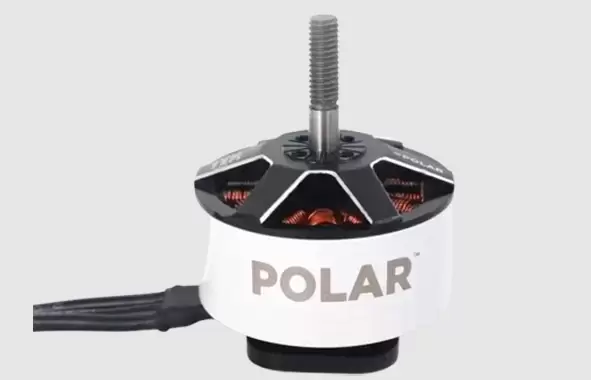
As FPV platforms evolve toward higher voltage systems (6S–8S), heavier payload integration (cameras, rescue modules, payload drops), and longer high-load flight cycles, motor engineering becomes significantly more critical than frame or flight controller selection.
A poorly matched FPV drone motor system can result in:
- Throttle lag during rapid maneuvers
- Excessive motor heating (>90°C winding temperature)
- Propeller inefficiency and cavitation
- Voltage sag under peak load
- Reduced flight time per battery cycle
- Unstable RPM transitions during acrobatic flight
Jiangxi BonSure Technology Co., Ltd. is a comprehensive manufacturing and export enterprise specializing in high-performance brushless power systems and drone platforms, including firefighting and rescue UAV applications. The company focuses on designing and manufacturing efficient, high-quality brushless motors optimized for demanding FPV and industrial UAV environments.
KV Rating Is the First Engineering Decision That Defines Flight Character
KV rating (RPM per volt) directly determines motor speed characteristics and thrust behavior.
In FPV Drone Motor design:
- High KV (2000–3000KV):
- Faster throttle response
- Higher RPM output
- Suitable for 4S systems
- Lower torque efficiency at high load
- Medium KV (1300–1800KV):
- Balanced efficiency
- Optimized for 5S–6S systems
- Better thermal control
- Higher thrust stability
- Low KV (800–1200KV):
- High torque output
- Suitable for heavy-lift FPV or rescue drones
- Lower RPM but better prop efficiency
For modern 6S FPV racing drones, the most widely adopted range is:
- 1600KV–1750KV (5-inch prop systems)
- 1300KV–1500KV (6–7 inch long-range FPV systems)
Incorrect KV selection can lead to:
- Motor overheating due to overcurrent draw
- Inefficient prop loading
- Reduced acceleration smoothness
- Increased ESC stress
Torque Density Determines Responsiveness in High-Speed Maneuvers
In FPV flight dynamics, torque response is more important than absolute RPM.
Torque is directly influenced by:
- Magnet strength (N52H-grade magnets preferred)
- Stator volume (2207, 2306, 2806 size classes)
- Air gap precision between rotor and stator
- Copper fill ratio in windings
High-quality FPV Drone Motor systems typically optimize:
- High slot fill copper winding (>75% fill factor in premium designs)
- Low air gap tolerance (±0.02–0.05 mm)
- High-strength neodymium magnets
- Precision-balanced bell rotors
Torque response affects:
- Flip and roll speed consistency
- Throttle linearity
- Recovery from aggressive maneuvers
- Load handling during sudden acceleration
For freestyle FPV pilots, torque stability is often more important than top-end RPM.
Thermal Management Is the Limiting Factor in Flight Duration
FPV motors operate under extreme thermal stress, especially during:
- Full-throttle acceleration bursts
- High-angle climbing maneuvers
- Heavy payload operation (camera rigs, rescue equipment)
- Long-range continuous cruising
Motor temperature directly affects:
- Magnet demagnetization risk (above 120°C critical threshold)
- Copper resistance increase
- Efficiency loss over time
- Bearing lubrication degradation
High-performance FPV Drone Motor designs incorporate:
- Hollow shaft airflow channels
- Aluminum alloy bell structures for heat dissipation
- High-temperature enamel copper wire (220°C rating)
- Optimized stator lamination stacking
Typical safe operating range:
- Normal operation: 60–85°C
- High load bursts: up to 100–110°C
- Critical threshold: >120°C (risk of magnet degradation)
Efficient thermal design can extend flight duration by 10–20% under identical battery conditions.
Propeller Matching Defines System Efficiency
Motor performance cannot be evaluated independently from propeller selection.
Common FPV configurations include:
- 5-inch props (tri-blade or quad-blade): racing optimization
- 6–7 inch props: long-range endurance optimization
- 8-inch+ props: industrial payload or rescue drones
Incorrect motor-prop pairing results in:
- Overcurrent draw
- Motor overheating
- Reduced thrust efficiency
- ESC instability
For example:
- 2207 1700KV motor → optimal with 5-inch 5045–51466 props on 6S
- 2806 1300KV motor → optimal with 7-inch props for long-range systems
Proper matching ensures:
- Maximum thrust per watt efficiency
- Stable RPM under load
- Reduced vibration and noise
Bearing Quality Impacts Flight Stability and Longevity
FPV Drone Motor bearings operate under high RPM conditions often exceeding 50,000–120,000 RPM depending on KV rating and voltage.
Bearing issues lead to:
- Shaft wobble
- Increased vibration in flight footage
- Reduced efficiency
- Premature motor failure
Industrial-grade FPV motors typically use:
- Japanese or German high-speed bearings
- High-precision radial clearance control
- Dust-resistant sealing structures
- High-temperature grease lubrication
Even small bearing imbalance can significantly affect gyro stabilization systems in FPV drones.
Rotor Balancing Is Critical for High-Resolution Flight Performance
Unbalanced rotors produce vibration that directly affects:
- Gyro sensor accuracy
- Camera stabilization (especially GoPro/FPV HD systems)
- Flight controller correction workload
- Prop efficiency
High-end FPV Drone Motor manufacturing includes:
- Dynamic balancing of bell rotors
- Laser shaft alignment
- Vibration testing at high RPM
- Multi-stage QC inspection
Rotor imbalance greater than 5–10 mg can noticeably affect flight smoothness in freestyle or cinematic FPV systems.
ESC Compatibility and Electrical Efficiency
Motor performance must align with Electronic Speed Controller (ESC) specifications.
Key compatibility factors include:
- Maximum continuous current (A rating)
- Burst current capacity
- PWM frequency compatibility (24kHz–48kHz typical)
- DShot protocol support
Mismatch between motor and ESC can lead to:
- Overheating ESC components
- Throttle inconsistency
- Desynchronization (motor desync)
- Reduced system efficiency
Modern FPV systems increasingly use:
- 32-bit ESC architecture
- High-frequency PWM control
- Advanced timing algorithms
Application Scenarios of FPV Drone Motors
FPV Drone Motor systems are widely used in:
- FPV racing drones
- Freestyle cinematic drones
- Long-range exploration UAVs
- Firefighting rescue drones
- Industrial inspection UAVs
- Payload delivery drones
Each application requires different design priorities:
- Racing: maximum thrust and acceleration
- Cinematic: smooth throttle response
- Industrial: torque stability and durability
- Rescue: high-load reliability and thermal endurance
Final Thoughts
The FPV Drone Motor is not just a propulsion component—it is the core dynamic system that defines drone behavior in every flight condition.
High-performance FPV motor systems depend on:
- Optimized KV rating selection
- High torque density design
- Advanced thermal management
- Precision rotor balancing
- Bearing durability engineering
- Proper propeller matching
- ESC compatibility optimization
As FPV applications expand from racing and cinematography into firefighting, rescue, and industrial operations, motor reliability and efficiency will remain the defining factors of UAV performance and mission success.