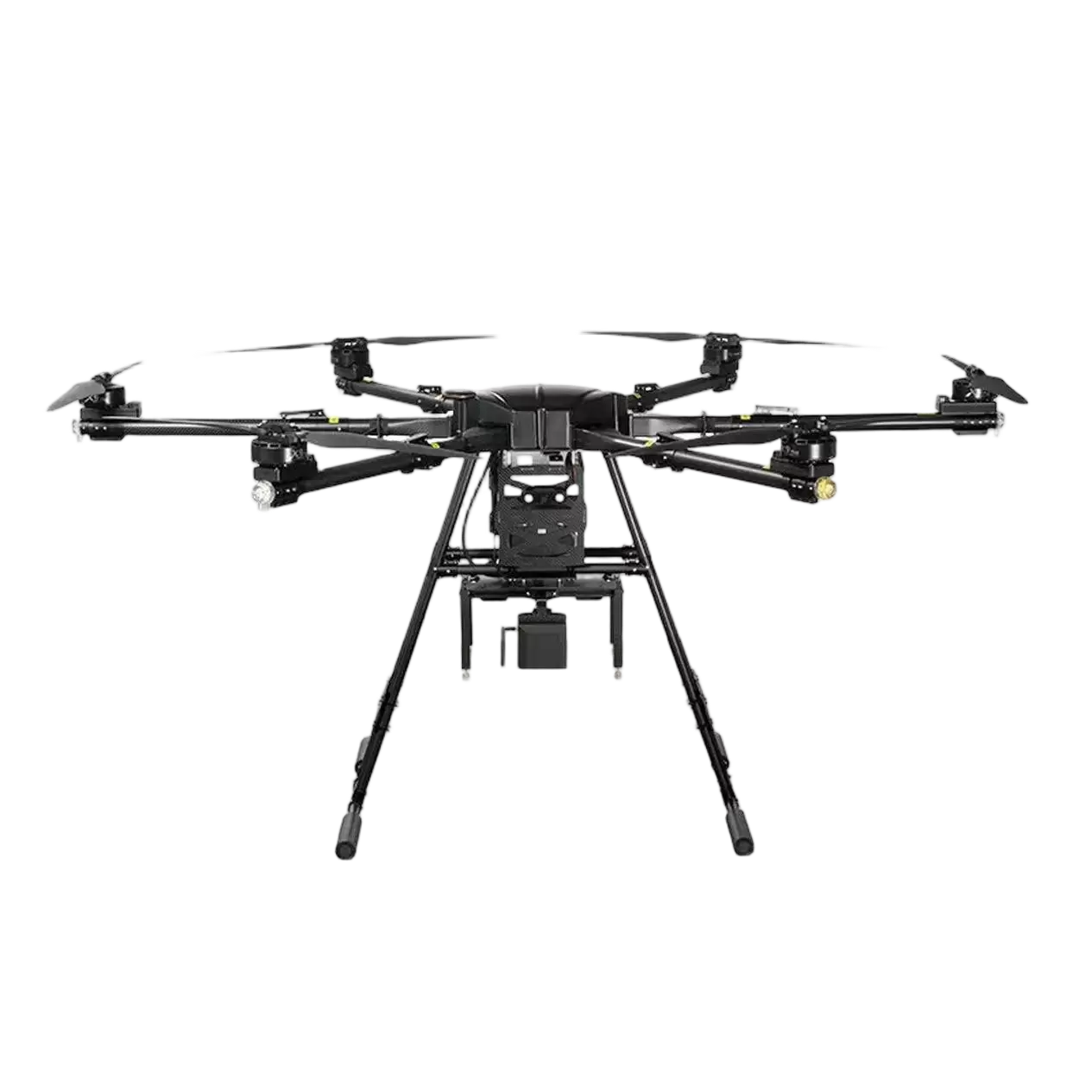
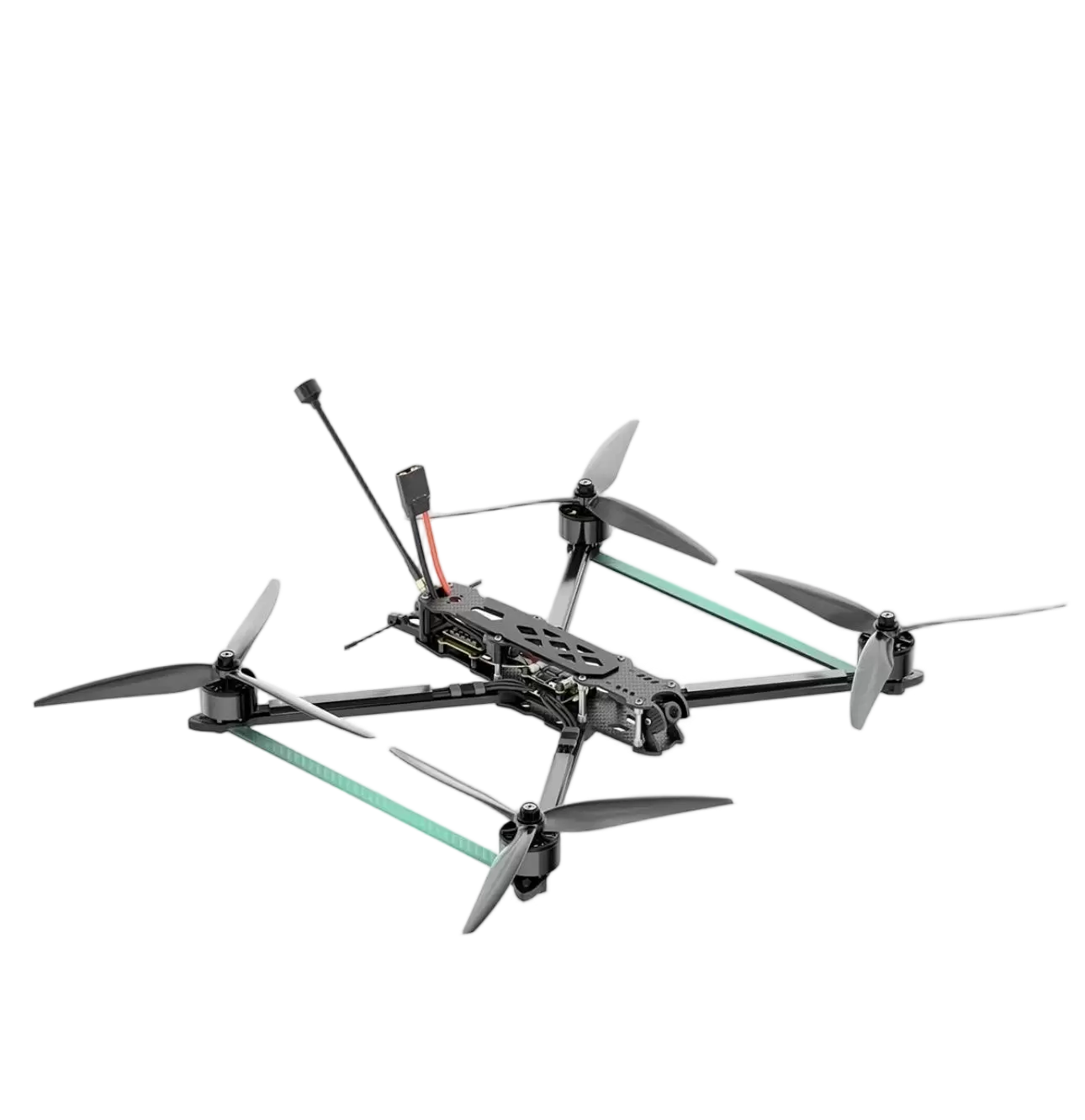
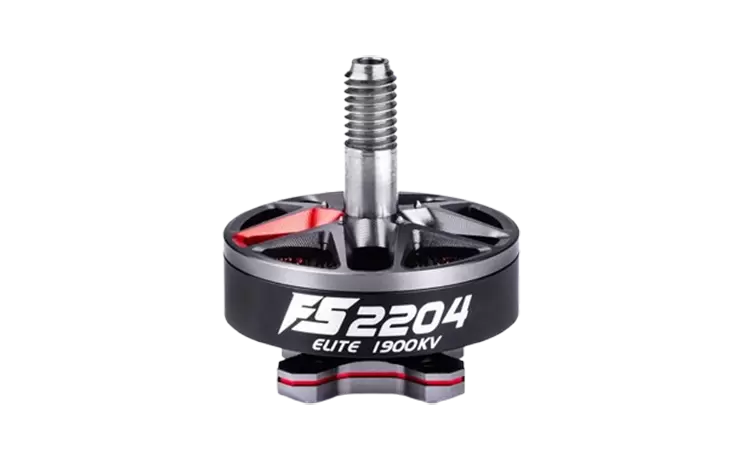
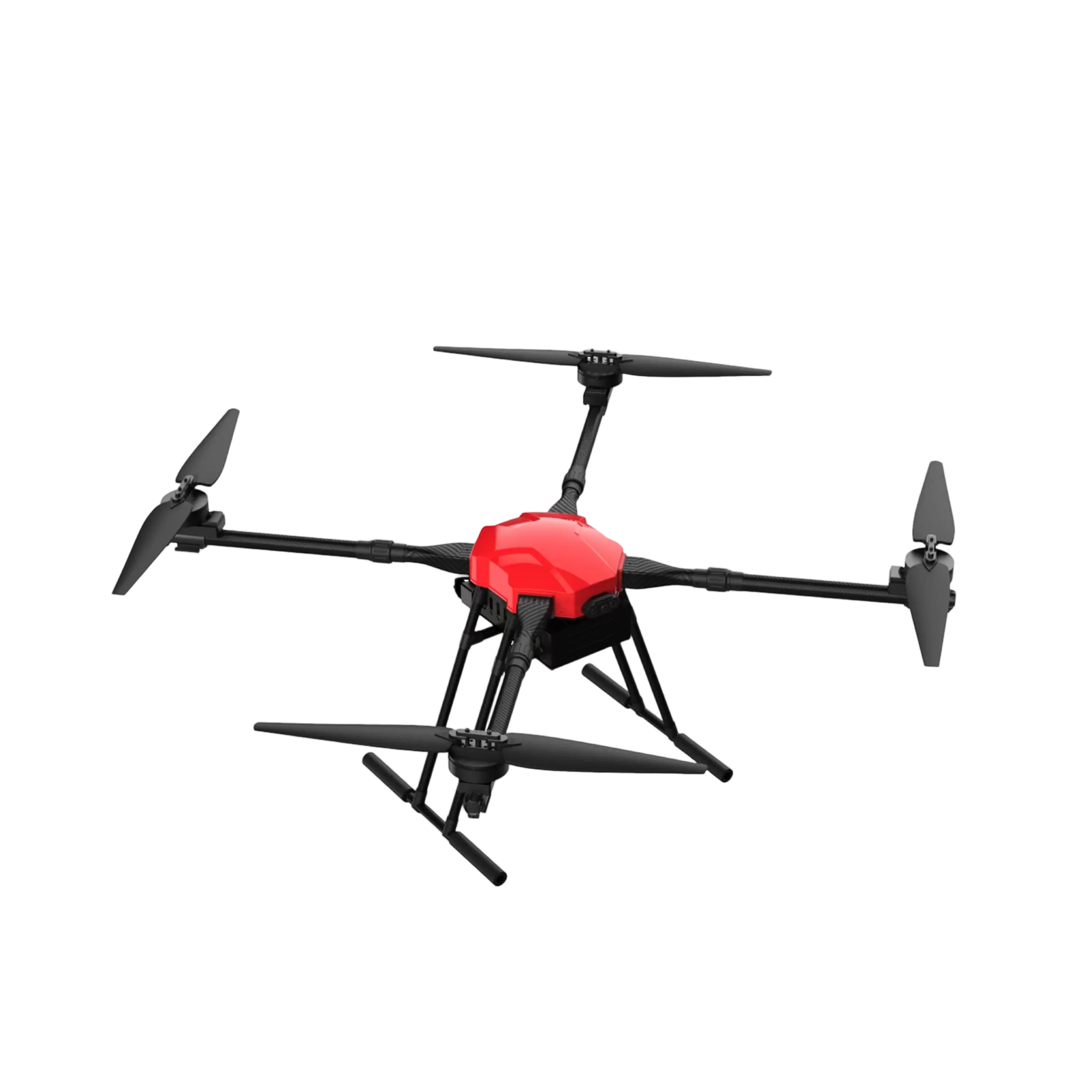
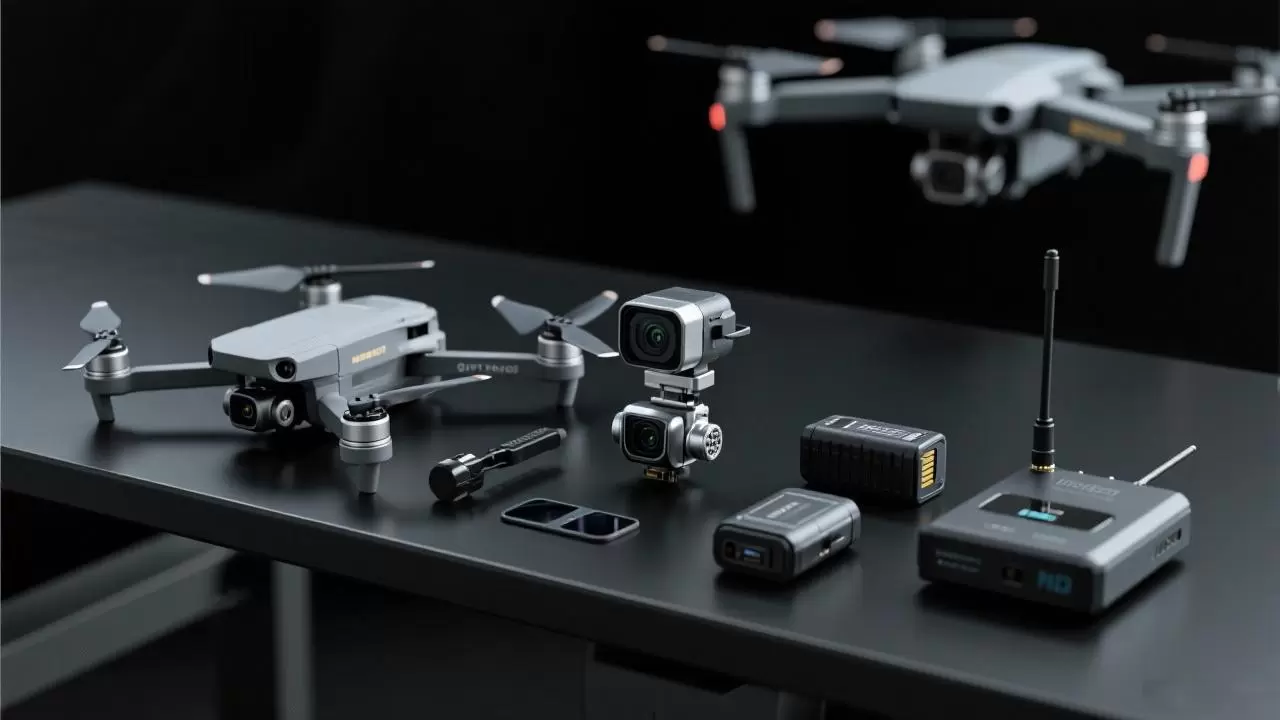
In FPV drone systems, flight stability is not only determined by flight controller algorithms but is fundamentally influenced by mechanical and electromagnetic behavior of the FPV Drone Motor. Even minor vibration at the motor level can significantly impact gyro accuracy, camera stabilization, and overall flight controllability.
As FPV drones evolve toward higher speeds, heavier payloads, and more complex applications such as firefighting and industrial inspection, vibration control has become a critical engineering requirement.
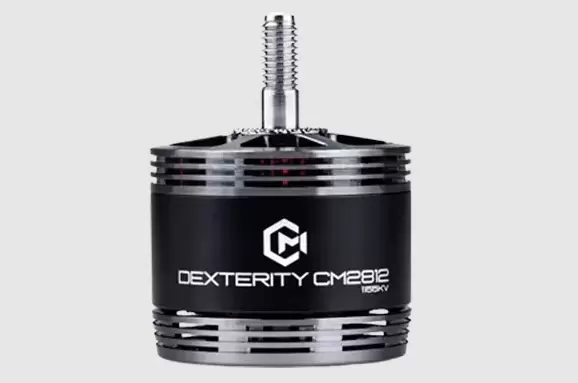
Uncontrolled vibration can result in:
- Blurry FPV footage
- Gyro drift and instability
- Increased flight controller workload
- Reduced prop efficiency
- Premature mechanical wear
- Desync events in ESC systems
Jiangxi BonSure Technology Co., Ltd. specializes in high-performance brushless motor systems and UAV platforms, including firefighting and rescue drone solutions designed for stable and reliable operation in demanding environments.
Rotor Imbalance Is the Primary Source of Vibration
Rotor imbalance is one of the most common causes of FPV drone vibration.
Even microscopic mass differences can produce:
- High-frequency vibration at 10,000–120,000 RPM
- Resonance amplification in frame structures
- Sensor noise in IMU systems
Professional FPV Drone Motor manufacturing applies:
- Dynamic rotor balancing
- CNC precision machining of motor bells
- Tight tolerance shaft alignment (±0.01–0.03 mm)
- Multi-stage vibration testing
Reducing rotor imbalance directly improves:
- Flight smoothness
- Video stabilization
- Control precision
Magnetic Field Uniformity Impacts Smooth Torque Output
Uneven magnetic fields create torque ripple, which manifests as subtle vibration during throttle transitions.
Causes include:
- Inconsistent magnet spacing
- Poor magnet alignment
- Non-uniform stator lamination
- Low-quality winding distribution
High-end FPV motor systems improve stability through:
- Precision magnet placement (N52 grade magnets)
- Optimized pole-slot ratio
- Balanced winding symmetry
- High-precision stator lamination stacking
Torque ripple reduction is particularly important in cinematic FPV applications where smooth motion is essential.
Bearing Precision Determines Mechanical Smoothness
Bearings are critical for reducing mechanical vibration.
Low-quality bearings cause:
- Shaft wobble
- Increased friction noise
- High-frequency vibration transfer
- Reduced motor lifespan
Professional FPV Drone Motor systems use:
- High-speed ceramic or hybrid bearings
- Precision radial clearance control
- High-temperature lubrication systems
- Dust-resistant sealing
Stable bearing performance ensures smooth rotation even under extreme RPM conditions.
Frame Resonance Amplifies Motor Vibration
Even if motors are perfectly balanced, drone frame resonance can amplify vibration.
Common issues include:
- Carbon fiber resonance frequencies
- Improper motor mounting tightness
- Structural rigidity imbalance
Optimized mounting systems include:
- Anti-vibration rubber dampers
- Reinforced motor mounts
- Balanced frame stiffness design
Motor vibration must be considered as part of the full airframe system, not an isolated component.
ESC Timing and Electrical Noise Influence Stability
Electronic Speed Controller settings also affect vibration behavior.
Incorrect ESC tuning may cause:
- Motor desynchronization
- Throttle oscillation
- High-frequency noise
Modern FPV systems use:
- High-frequency PWM control (24–48kHz)
- Advanced timing algorithms
- Active braking optimization
Proper ESC-motor pairing is essential for smooth power delivery.
Propeller Balance Is a Hidden Vibration Source
Even perfectly manufactured motors can exhibit vibration if propellers are unbalanced.
Common issues:
- Uneven blade weight
- Manufacturing defects
- Dirt accumulation
This leads to:
- Periodic vibration patterns
- Gyroscopic instability
- Reduced flight efficiency
Balanced propeller-motor systems are essential for high-performance FPV operation.
Thermal Expansion Affects Long Flight Stability
During long flights, thermal expansion changes mechanical tolerances.
Effects include:
- Slight shaft alignment shift
- Bearing clearance changes
- Magnetic field variation
High-quality FPV Drone Motor designs use:
- Thermally stable materials
- High-grade adhesives for magnet fixation
- Heat-resistant structural components
Maintaining stable geometry under heat is critical for long-duration missions.
Application Scenarios Requiring High Stability
Vibration control is especially critical in:
- Cinematic FPV filming
- Firefighting UAV operations
- Inspection drones with sensors
- Long-range autonomous flight systems
These applications require:
- Stable IMU readings
- Smooth camera output
- Predictable flight behavior
Final Thoughts
Vibration control in FPV Drone Motor systems is a multi-layer engineering challenge involving:
- Rotor balancing
- Magnetic field uniformity
- Bearing precision
- ESC compatibility
- Frame resonance control
- Propeller balance
- Thermal stability
As FPV drones expand into professional and industrial applications, vibration-free operation will become a defining requirement for mission reliability, imaging quality, and system longevity.