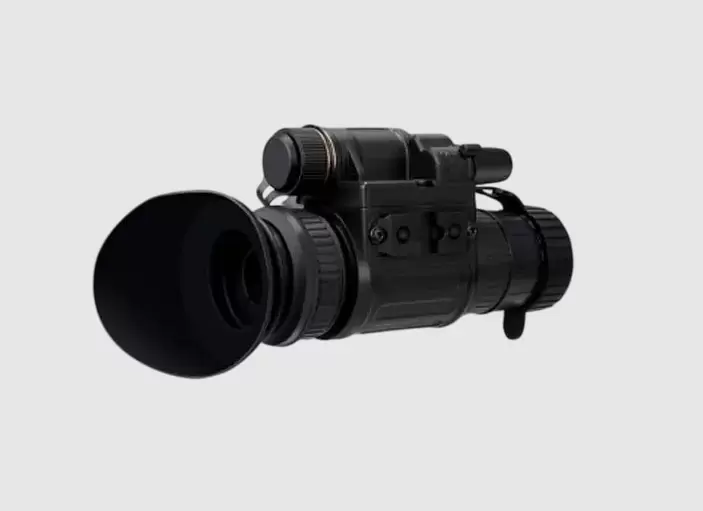
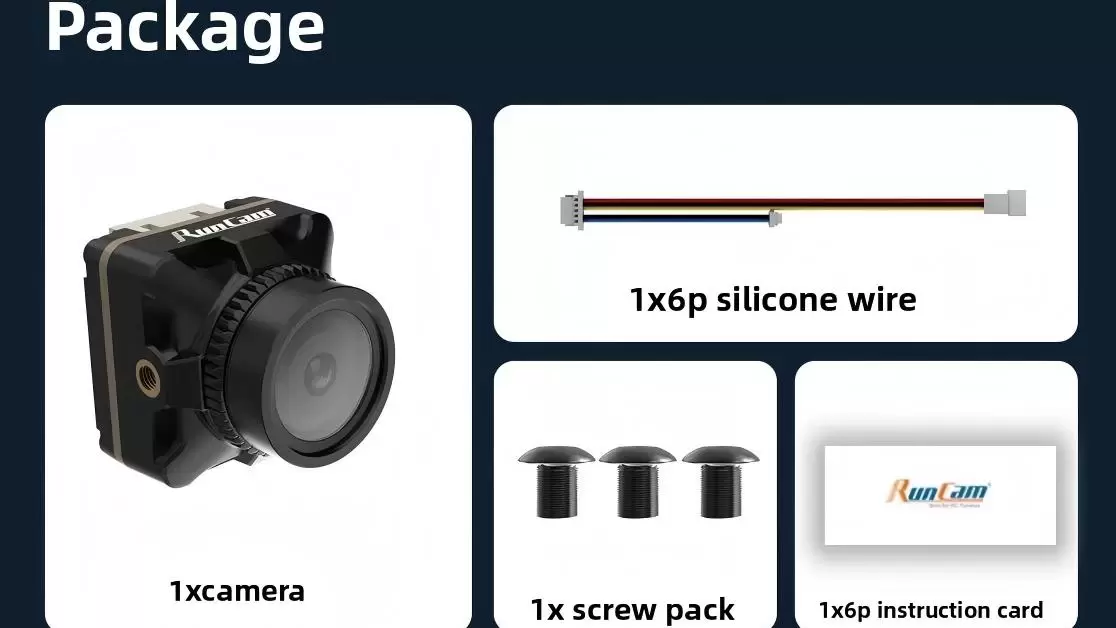
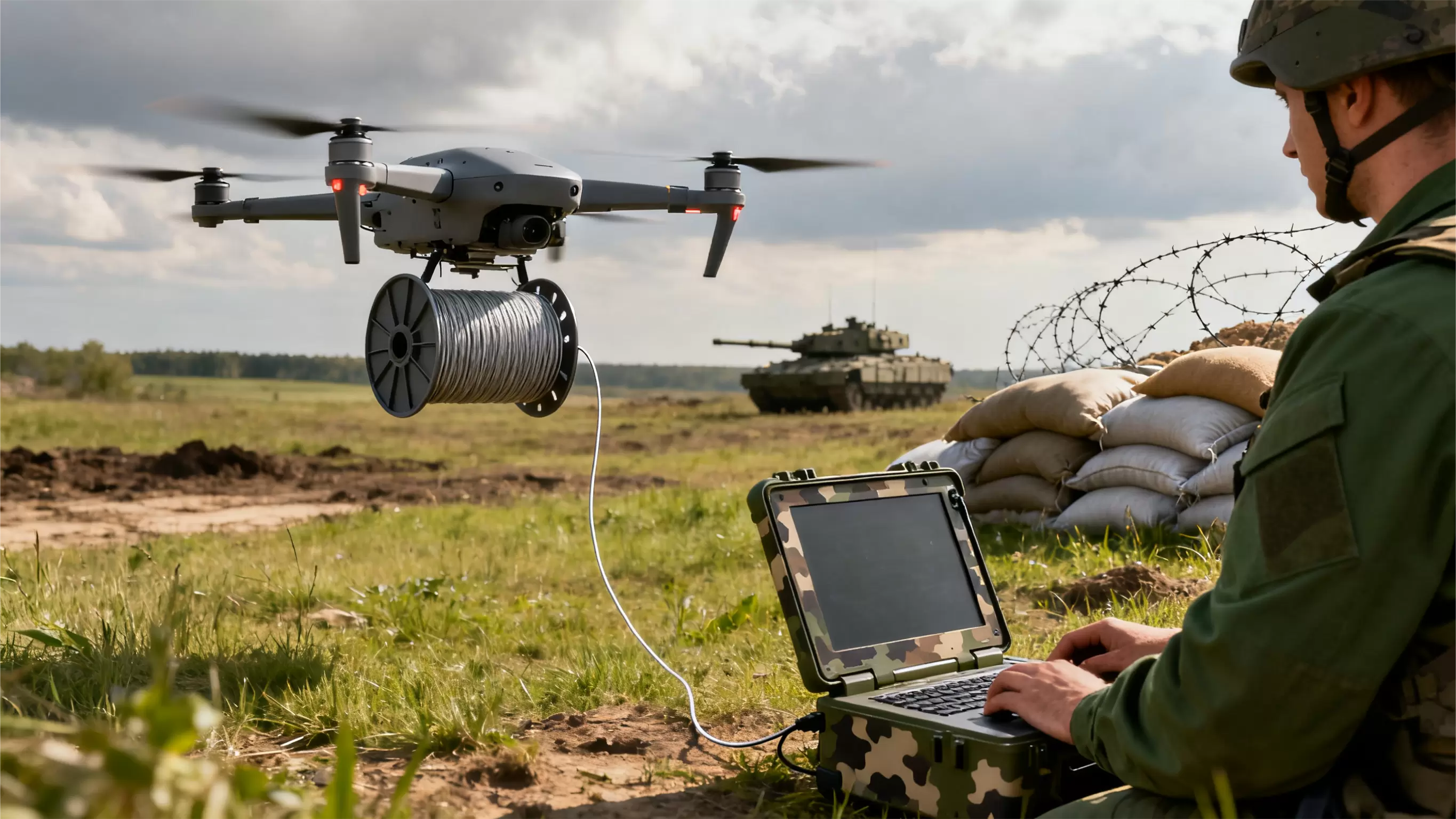
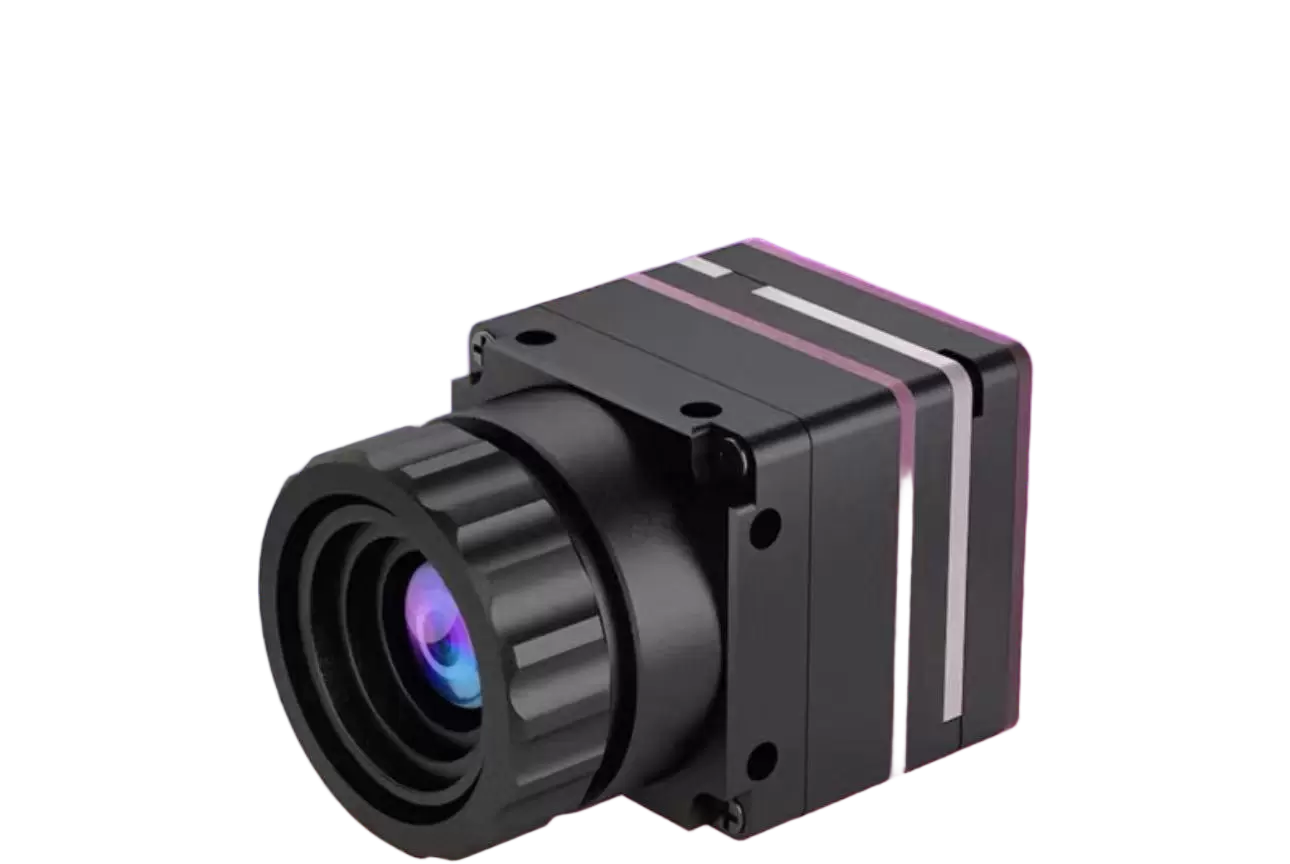
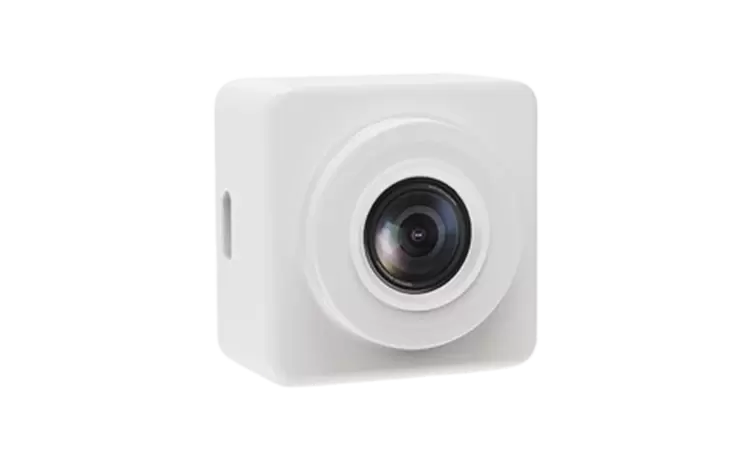
Night vision outdoor cameras have become essential tools for modern security, providing clear surveillance even in low-light or completely dark conditions. Whether for residential, commercial, or industrial properties, proper installation and optimization are key to ensuring reliable performance and maximizing security coverage.
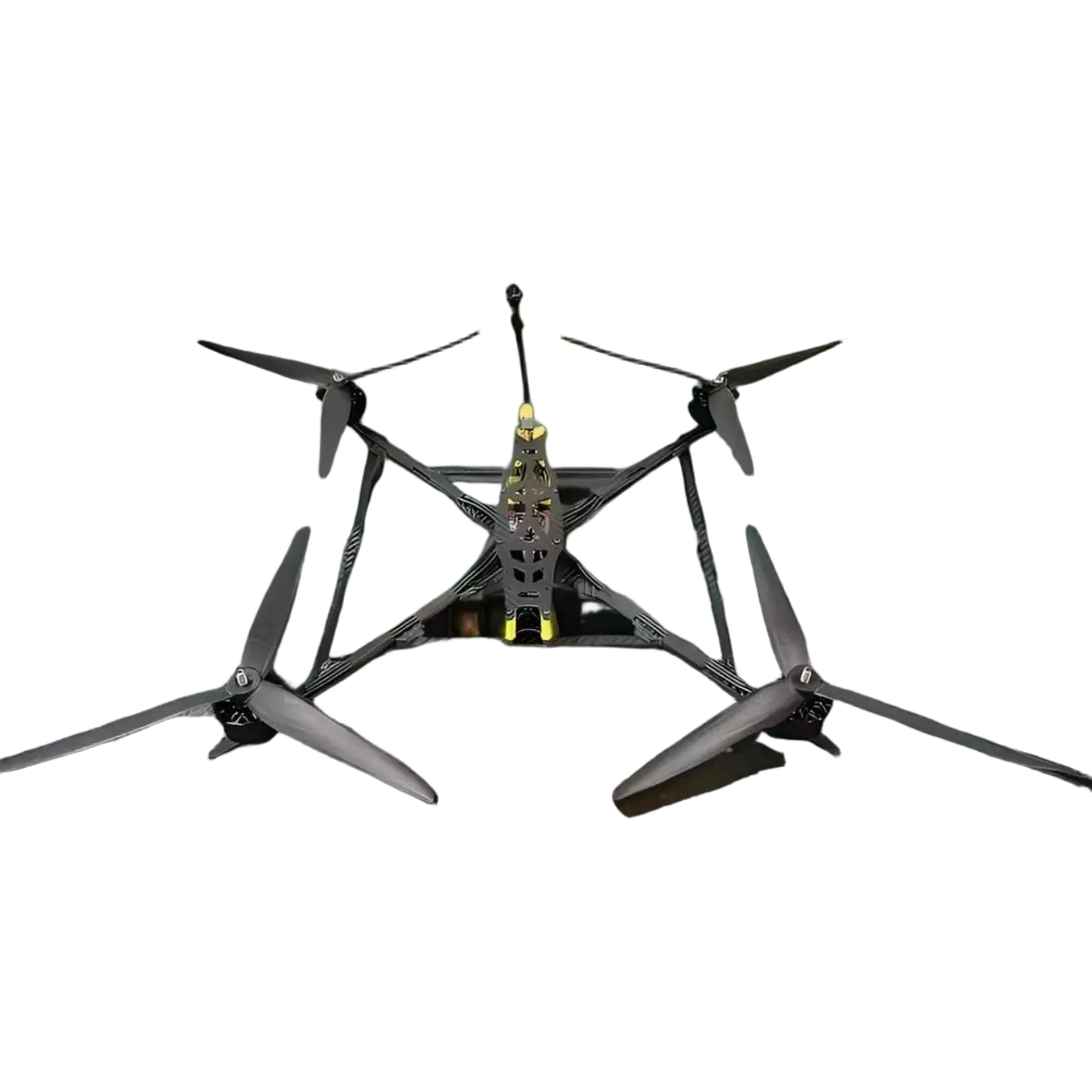
Jiangxi BonSure Technology Co., Ltd. is a comprehensive enterprise specializing in the research, development, production, and export of high-performance firefighting and rescue drones and their components. With expertise in designing efficient brushless power systems and advanced UAVs, BonSure demonstrates the same principles of precision, reliability, and efficiency that are critical for setting up effective night vision surveillance systems.
This guide provides practical tips for installing and optimizing your night vision outdoor camera to enhance security, improve image quality, and ensure long-term reliability.
1. Choose the Right Location
Selecting the optimal location is the first and most important step for installation:
Height and Angle: Mount cameras high enough to prevent tampering, but low enough to capture details such as faces or license plates. A height of 8–12 feet is generally recommended.
Coverage Area: Identify the areas that require the most surveillance, such as entrances, driveways, or property perimeters.
Avoid Obstructions: Ensure that trees, walls, or furniture do not block the camera’s field of view.
Just as Jiangxi BonSure designs UAVs with optimized placement of sensors and cameras for maximum coverage, careful positioning of outdoor cameras ensures full surveillance of critical areas.
2. Optimize Lighting and Night Vision Settings
Although night vision cameras can operate in complete darkness, proper optimization improves image clarity:
Infrared (IR) Illumination: Ensure that IR LEDs are unobstructed and not reflecting off nearby surfaces like windows, which can cause glare.
Low-Light Sensitivity: Adjust camera settings to maximize sensitivity while reducing noise for clearer night images.
Test Night Performance: Check the camera at night to confirm optimal coverage and identify potential blind spots.
High-performance cameras, like the advanced systems used in BonSure’s UAVs, rely on precise sensor calibration for optimal performance—similar attention is needed for night vision cameras.
3. Ensure Stable Power Supply
A consistent power source is essential for uninterrupted surveillance:
Wired Options: AC or PoE (Power over Ethernet) connections offer reliable power with minimal downtime.
Battery-Powered Cameras: Suitable for areas without wiring, but require regular charging or battery replacement.
Backup Systems: Consider integrating UPS or auxiliary power to maintain functionality during outages.
Jiangxi BonSure’s brushless power systems in drones are designed for efficiency and stability, illustrating the importance of reliable power for high-performance surveillance equipment.
4. Proper Mounting and Hardware
Secure mounting is crucial to prevent camera movement or damage:
Weatherproof Enclosures: Protect against rain, dust, and extreme temperatures. Look for cameras with IP66 or higher ratings.
Adjustable Mounts: Use brackets that allow fine-tuning of angles to maximize coverage.
Tamper Resistance: Consider secure screws or protective casings to reduce vandalism risk.
Robust construction and installation, similar to BonSure’s durable UAV designs, ensure long-term reliability of night vision cameras in harsh outdoor conditions.
5. Configure Software and Alerts
Many night vision cameras include intelligent software features to enhance surveillance:
Motion Detection: Set motion zones to trigger alerts only when relevant activity occurs.
Push Notifications: Receive real-time alerts on your smartphone for immediate response.
Recording Settings: Adjust frame rate, resolution, and storage duration based on your needs.
Integration of these features mirrors BonSure’s approach to UAVs, where real-time monitoring and alerts enhance operational efficiency and safety.
6. Test and Adjust Regularly
Routine testing ensures optimal performance:
Night Testing: Verify infrared coverage and clarity in complete darkness.
Day Testing: Confirm daylight image quality and color balance.
Field of View Adjustments: Make small adjustments to correct blind spots or obstructions.
Like BonSure’s UAV systems, which undergo thorough testing to ensure reliable performance in critical scenarios, night vision cameras benefit from regular testing and fine-tuning.
7. Maintain and Clean the Camera
Proper maintenance extends the lifespan of your outdoor camera:
Clean the Lens: Wipe away dust, rain spots, or debris that can reduce image clarity.
Inspect Wiring and Mounts: Check for wear, corrosion, or loose connections.
Firmware Updates: Keep software up-to-date to improve performance and security features.
Attention to maintenance ensures that the camera continues to perform reliably, just as BonSure ensures UAVs maintain peak efficiency and durability through careful design and upkeep.
Conclusion
Installing and optimizing a night vision outdoor camera involves careful location selection, sensor calibration, power reliability, secure mounting, software configuration, and ongoing maintenance. Following these best practices ensures clear surveillance footage, increased safety, and reliable performance in both residential and commercial settings.
Jiangxi BonSure Technology Co., Ltd. exemplifies the principles of high performance, efficiency, and reliability through their development of brushless power systems and rescue UAVs. By applying similar attention to detail and precision when installing night vision cameras, homeowners, businesses, and security professionals can achieve effective, long-lasting surveillance solutions.