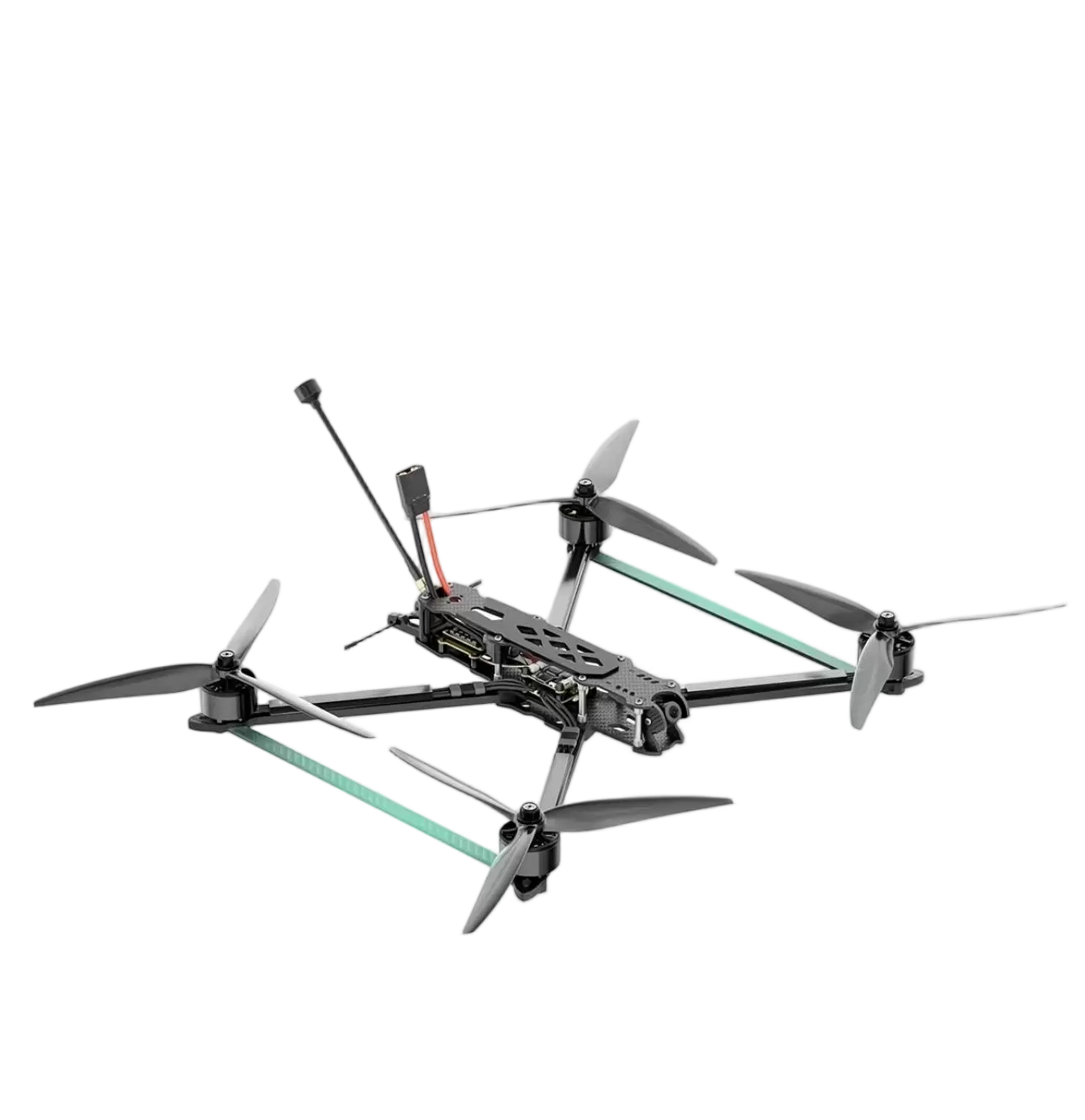
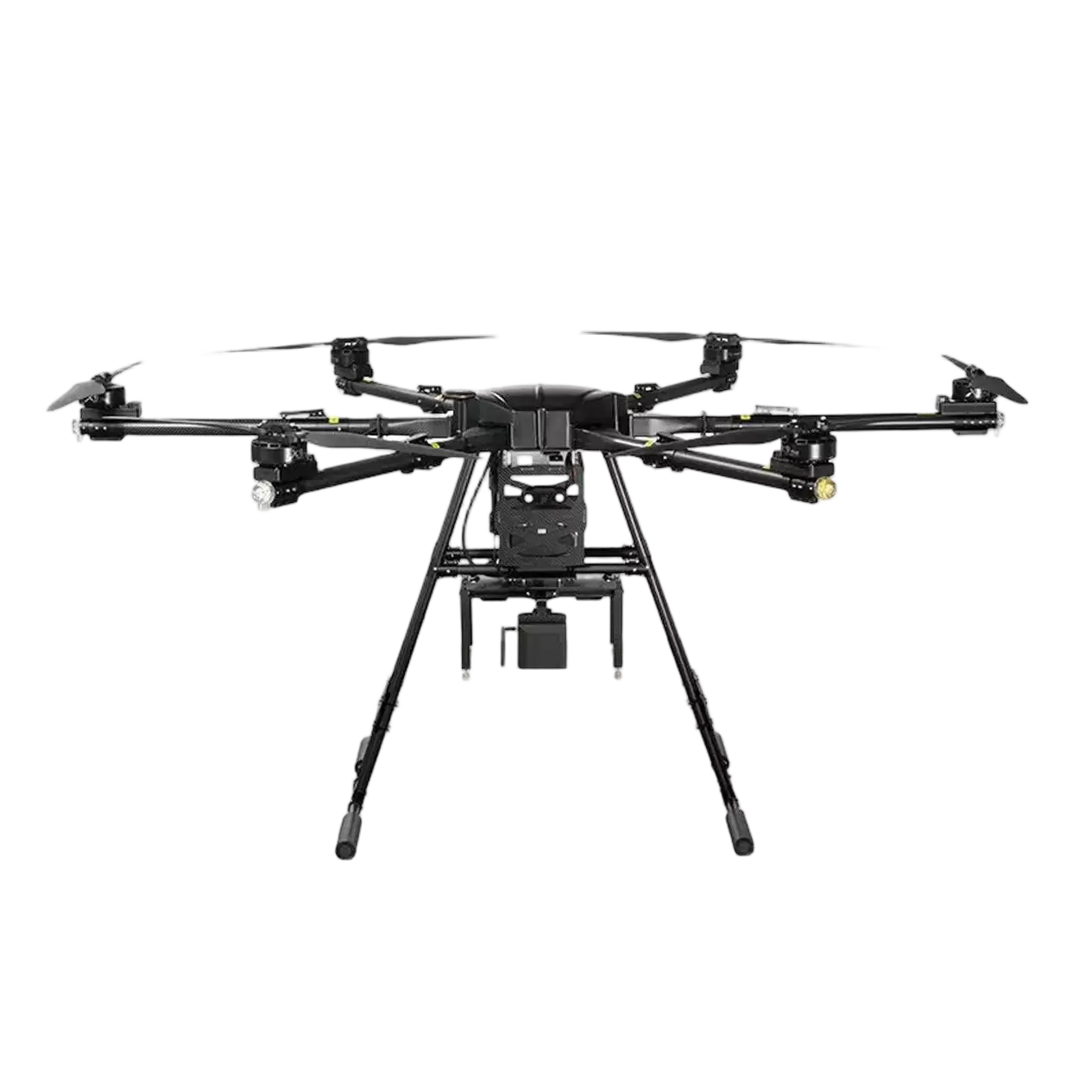
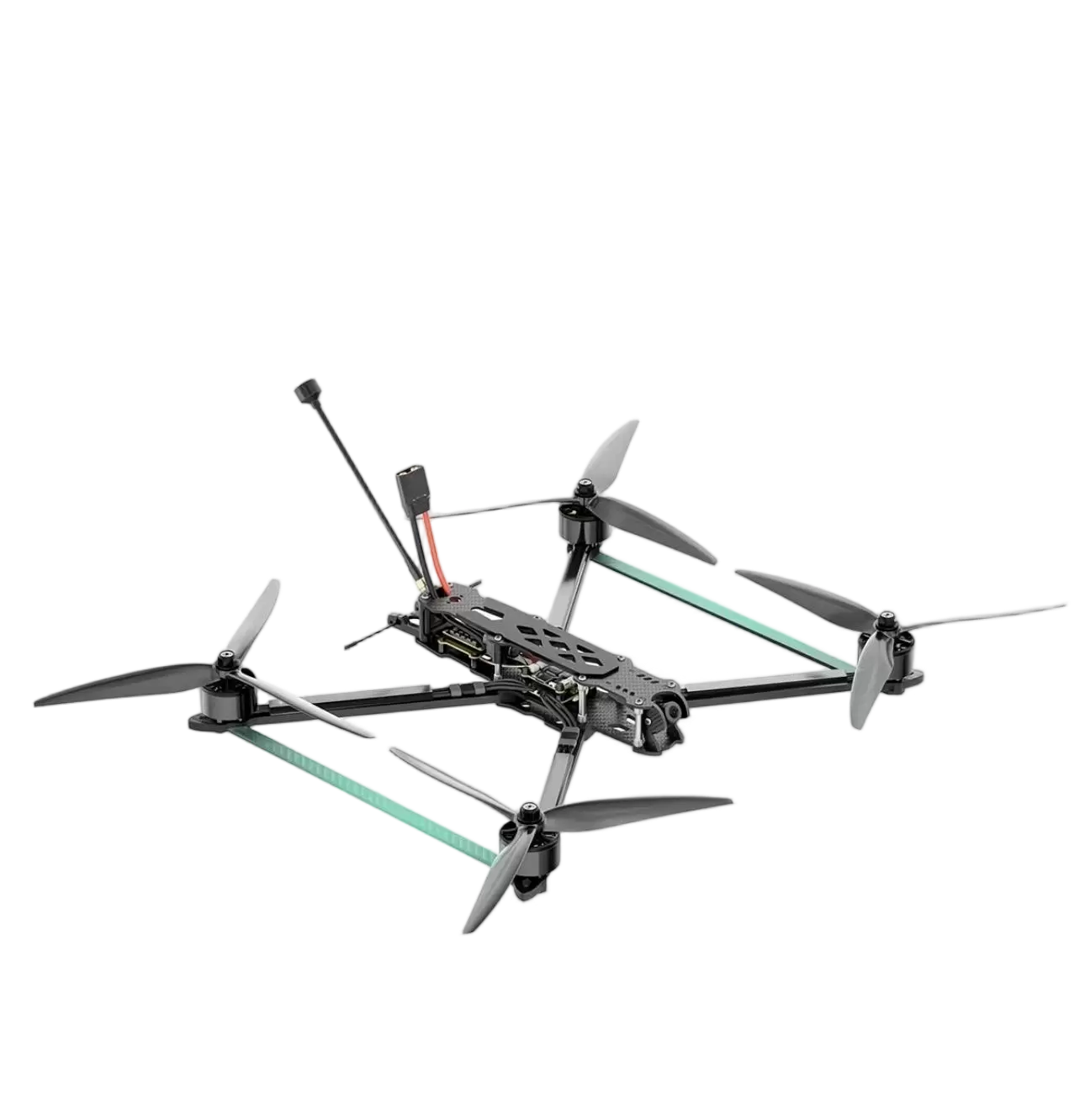
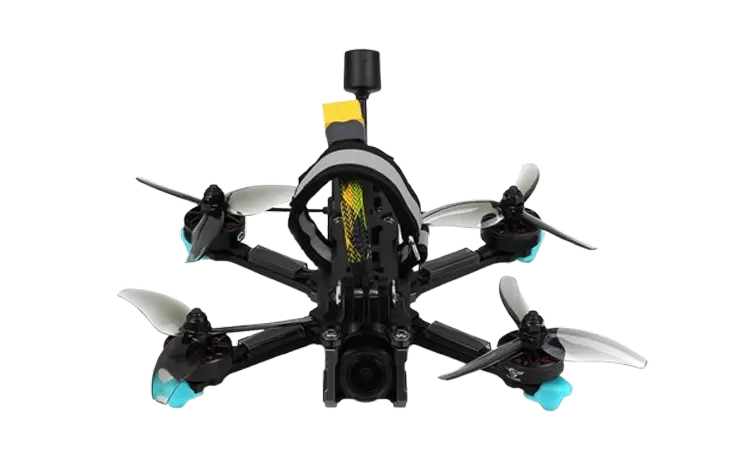
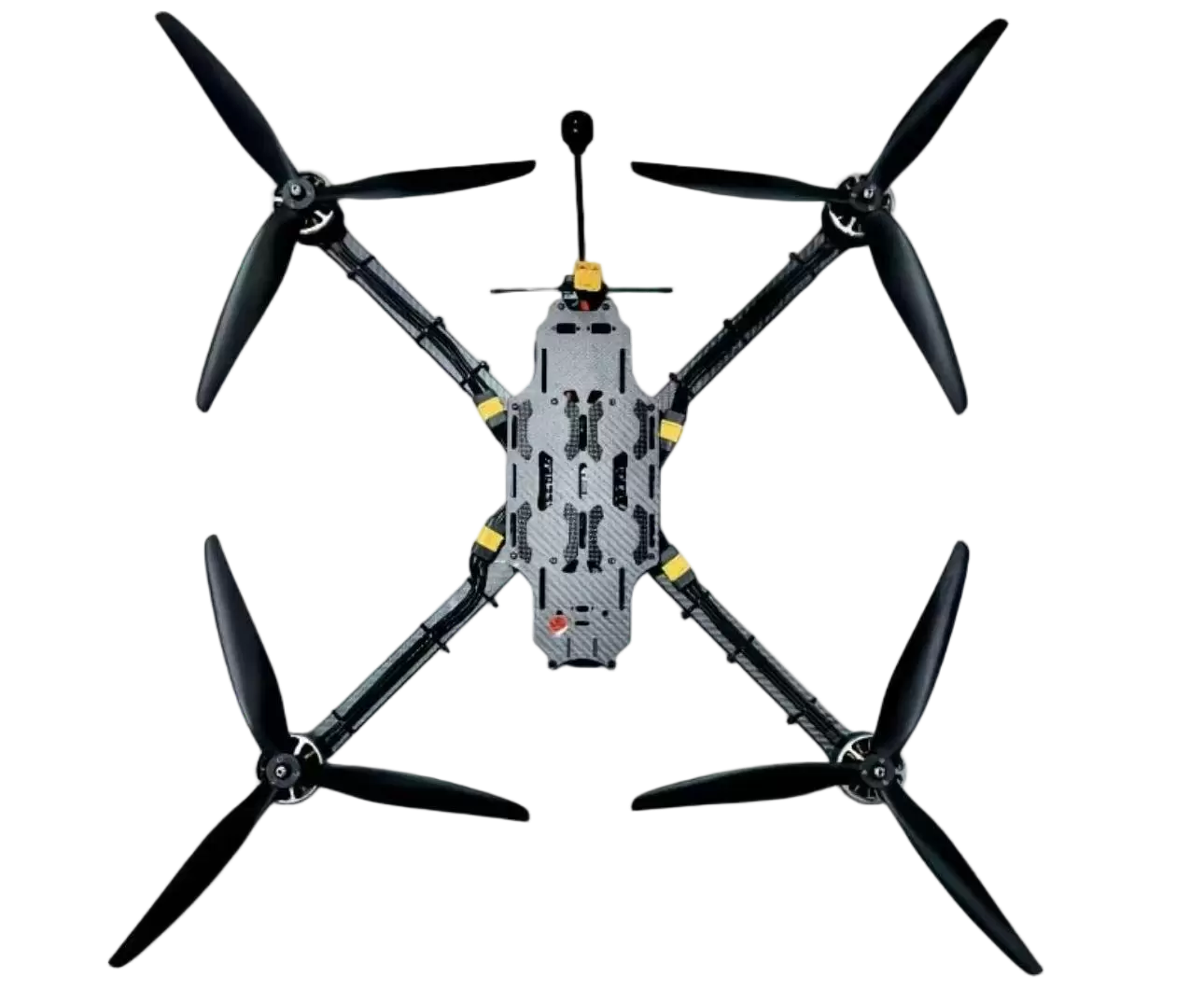
The rapid growth of FPV drones has transformed multiple industries, from aerial photography and industrial inspection to emergency response and firefighting operations. While flight controllers, batteries, and communication systems receive considerable attention, the motor remains the core component that directly determines thrust output, flight efficiency, payload capacity, and overall reliability.
For drone manufacturers, system integrators, and UAV brands seeking product differentiation, choosing an ODM FPV Drone Motor is no longer simply about matching KV ratings. It requires a comprehensive understanding of motor design, electromagnetic efficiency, thermal management, and application-specific performance requirements.
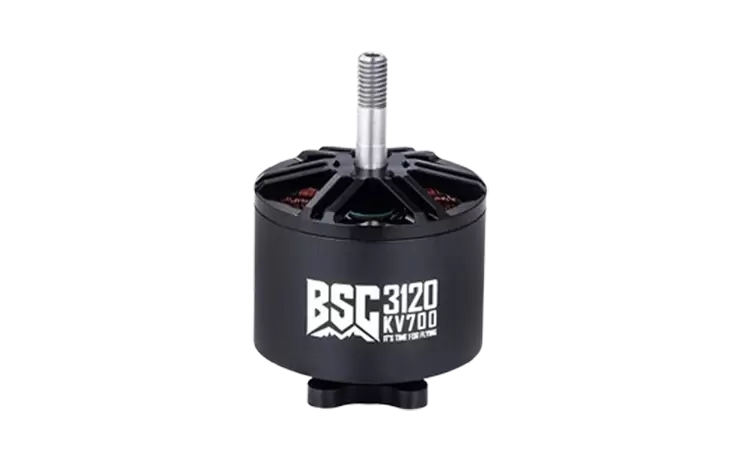
As UAV missions become increasingly complex, selecting the right motor platform can significantly impact operational success and lifecycle costs.
Why the Motor Determines Overall Drone Performance
Every flight command ultimately relies on motor response.
The brushless motor converts electrical energy from the battery into mechanical power that drives the propeller.
Motor performance directly affects:
- Maximum thrust
- Hover efficiency
- Payload capacity
- Flight endurance
- Maneuverability
- Thermal stability
In high-demand applications such as firefighting drones, rescue drones, and industrial inspection platforms, motor reliability often determines mission success.
A poorly designed motor may generate sufficient thrust initially but suffer from overheating, excessive vibration, or rapid efficiency loss during extended operations.
Understanding the Key Parameters of an ODM FPV Drone Motor
Many buyers focus primarily on KV values when evaluating motors. However, several technical parameters are equally important.
KV Rating
KV represents motor speed per volt under no-load conditions.
Typical FPV motor ranges include:
- 900KV–1200KV for heavy-lift applications
- 1500KV–2000KV for long-range drones
- 2200KV–2800KV for racing drones
Higher KV motors deliver faster RPM but generally generate lower torque.
Lower KV motors provide stronger torque and better efficiency when driving larger propellers.
Stator Size
Motor specifications such as 2207, 2808, or 3115 indicate stator dimensions.
Larger stators generally provide:
- Higher torque output
- Better thermal capacity
- Improved payload capability
However, larger motors also increase overall system weight.
Maximum Continuous Current
Motor current rating directly affects power output capability.
Industrial FPV platforms often operate at:
- 20A–40A continuous current
- 50A–80A peak current
Matching ESC capacity to motor requirements is critical for system reliability.
Efficiency: The Hidden Factor Behind Flight Endurance
Many drone operators focus on thrust figures while overlooking efficiency.
In practical applications, efficiency determines how much flight time can be achieved from a fixed battery capacity.
For example:
A motor operating at 85% efficiency may provide significantly longer endurance than a motor operating at 78% efficiency under identical payload conditions.
Higher efficiency reduces:
- Battery consumption
- Motor heating
- Energy losses
- Component stress
For long-range and industrial drones, efficiency improvements can often provide greater operational benefits than raw power increases.
Thermal Management Is Critical for Continuous Operations
Motor heat generation increases rapidly under heavy loads.
Common causes include:
- High current draw
- Aggressive flight profiles
- Poor airflow
- Excessive propeller loading
Thermal overload can result in:
- Magnet demagnetization
- Bearing degradation
- Winding damage
- Reduced motor lifespan
Modern ODM FPV drone motors often incorporate:
- High-temperature magnets
- Optimized stator laminations
- Precision winding techniques
- Enhanced cooling structures
These improvements help maintain performance during extended missions.
Material Selection Influences Reliability
Motor durability depends heavily on material quality.
High-Grade Magnets
Premium neodymium magnets provide:
- Stronger magnetic fields
- Higher efficiency
- Faster throttle response
High-temperature grades are especially important for industrial UAV applications.
Precision Bearings
Bearing quality directly impacts:
- Vibration levels
- Operational smoothness
- Service life
High-speed drone motors commonly operate above 20,000 RPM, making bearing precision essential.
Aerospace-Grade Aluminum Housings
Lightweight aluminum alloys improve:
- Structural rigidity
- Heat dissipation
- Weight reduction
These characteristics contribute to overall flight performance.
Why ODM Development Is Becoming More Important
The FPV drone market is becoming increasingly specialized.
Standard motors cannot always meet unique application requirements.
ODM motor development enables manufacturers to optimize:
- KV ratings
- Stator configurations
- Shaft dimensions
- Mounting structures
- Thermal performance
- Waterproof protection
Customized solutions help improve overall aircraft performance while supporting product differentiation.
Applications Driving Demand for ODM FPV Drone Motors
Modern FPV motors are no longer limited to racing drones.
Growing application sectors include:
- Firefighting UAVs
- Emergency rescue drones
- Security surveillance platforms
- Power line inspection drones
- Mapping systems
- Agricultural UAVs
- Industrial monitoring aircraft
Each application presents different requirements for thrust, endurance, and environmental resistance.
ODM development allows motor performance to be tailored accordingly.
Evaluating a Motor Supplier Beyond Product Specifications
Selecting a motor supplier should involve more than reviewing datasheets.
Important factors include:
- R&D capability
- Production consistency
- Dynamic balancing accuracy
- Quality control systems
- Customization experience
- Technical support
Long-term reliability depends on manufacturing quality as much as design performance.
Conclusion
An ODM FPV Drone Motor is one of the most critical components influencing UAV performance, efficiency, and reliability. Beyond simple thrust generation, motor design affects endurance, payload capacity, thermal stability, and long-term operating costs.
As UAV applications continue expanding into industrial, commercial, and emergency response sectors, customized motor solutions provide significant advantages over generic platforms. By focusing on efficiency, thermal management, material quality, and application-specific engineering, drone manufacturers can build more competitive and reliable aerial systems.
Jiangxi BonSure Technology Co., Ltd. leverages its expertise in brushless power systems and professional UAV development to deliver high-performance motor solutions designed for demanding FPV and industrial drone applications worldwide.