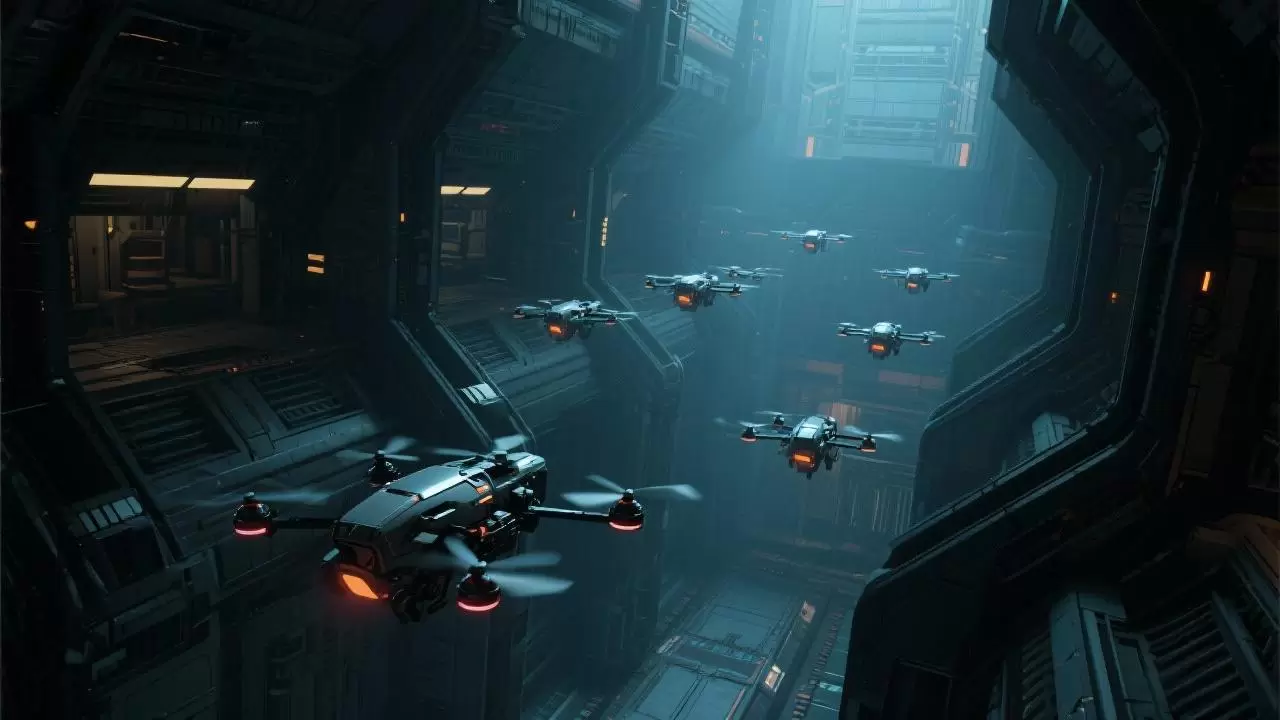
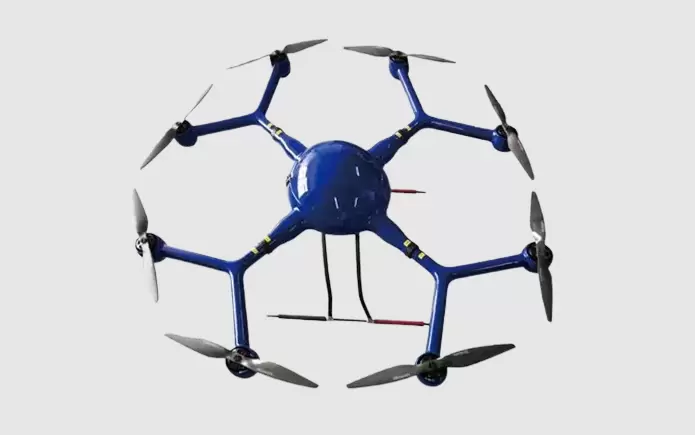
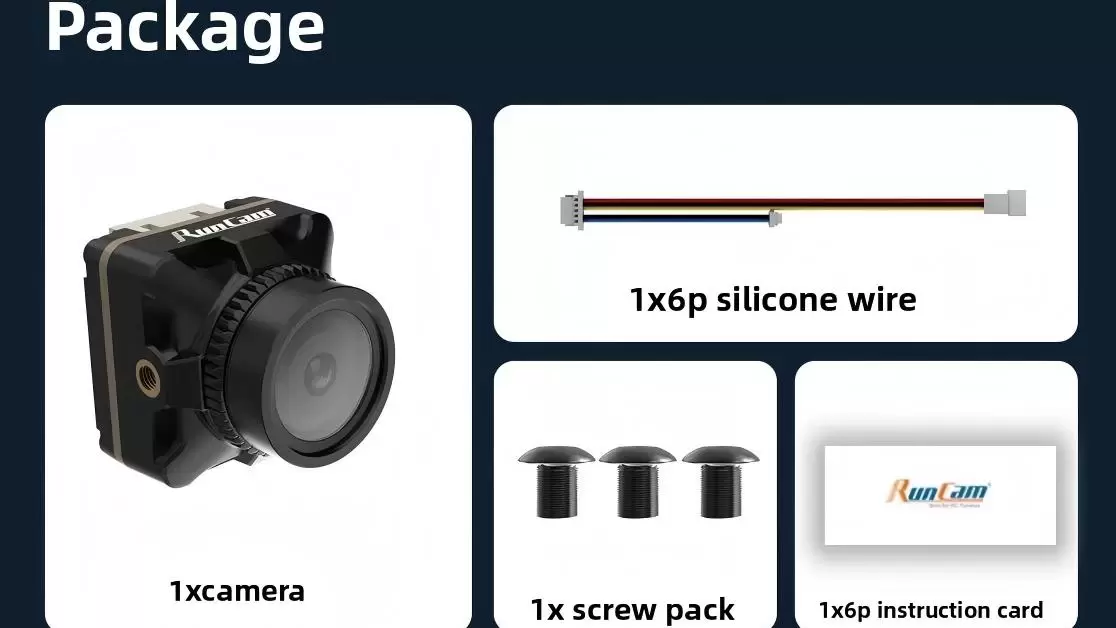
The FPV (First-Person View) drone market has expanded rapidly in recent years, offering everything from entry-level recreational drones to highly advanced professional systems. While standard FPV drones are suitable for beginners and hobbyists, premium models are designed for demanding environments where performance, reliability, and precision are critical.
So what truly sets high-end FPV systems apart? Let’s break down the key differences between premium and standard models—and why the upgrade matters for professional users.
1. Power System: The Core Difference
The most significant distinction lies in the propulsion system.
Standard Models
Basic brushless motors
Moderate thrust output
Limited efficiency under heavy loads
Shorter lifespan in high-intensity use
These drones are typically optimized for casual flying or light racing.
Premium Models
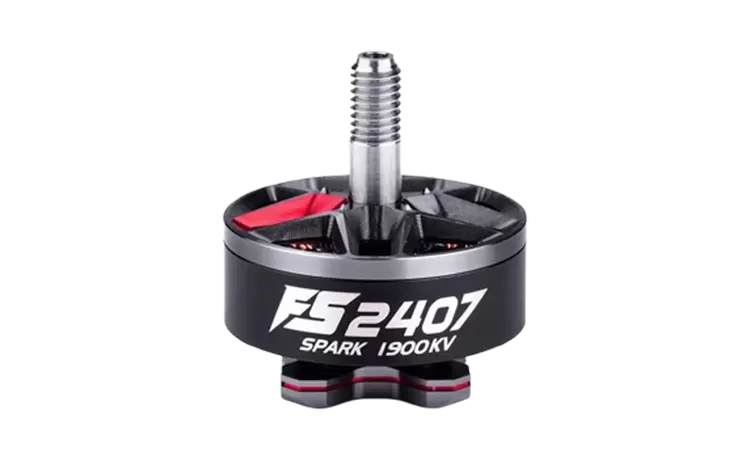
Premium FPV drones integrate high-efficiency brushless motor systems engineered for power, durability, and stability. Companies like Jiangxi BonSure Technology Co., Ltd specialize in designing and manufacturing high-performance brushless propulsion systems tailored for demanding applications.
High-end propulsion systems provide:
Stronger thrust-to-weight ratio
Improved energy efficiency
Better heat dissipation
Consistent output under high load
This makes a major difference in industrial inspections, firefighting missions, and rescue operations where reliability is non-negotiable.
2. Frame Structure and Durability
Standard FPV Drones
Entry-level drones typically use lightweight frames designed primarily for agility and affordability. While suitable for practice and basic racing, they may struggle in harsh environments.
Premium FPV Drones
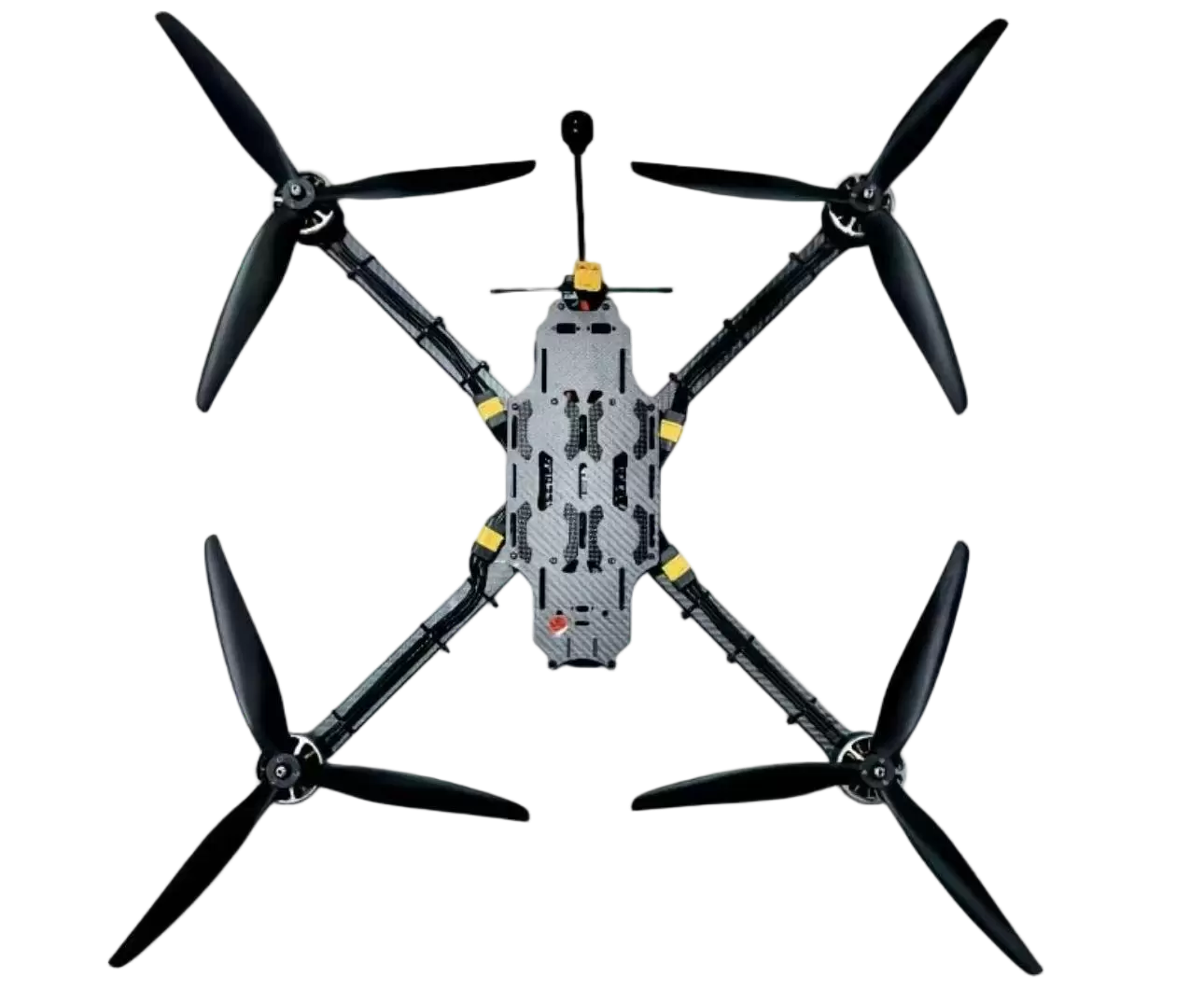
High-end systems feature reinforced carbon fiber or composite frames engineered for:
High-impact resistance
Reduced vibration
Structural rigidity
Extended service life
For example, firefighting and rescue drones developed by Jiangxi BonSure Technology Co., Ltd are built to operate in complex and high-risk environments, where structural stability directly affects mission success.
3. Flight Control and Stability
Standard Models
Basic flight controllers
Limited environmental adaptability
Suitable for open spaces
Premium Systems
High-end FPV drones integrate advanced flight control systems offering:
GPS-assisted stabilization
Intelligent return-to-home functions
Anti-interference signal systems
Precise altitude and position control
These features are essential for professional applications such as infrastructure inspection, emergency response, and industrial monitoring.
4. Payload Capacity and Application Range
Standard FPV drones are usually designed for lightweight cameras and recreational flying. Their payload capacity is limited.
Premium drones, however, are engineered to support:
Thermal imaging cameras
Fire detection sensors
Loudspeakers and communication modules
Industrial-grade inspection equipment
In rescue and emergency response scenarios, enhanced payload capacity allows drones to perform beyond simple aerial photography—becoming active tools in life-saving missions.
5. Transmission System and Video Quality
Another key difference lies in video transmission.
Standard drones often rely on basic analog systems with moderate latency and limited range.
Premium FPV systems offer:
Ultra-low latency digital transmission
High-definition real-time video
Strong anti-interference capability
Extended operational range
This ensures smoother control and greater situational awareness—critical in racing, industrial inspection, and public safety operations.
6. Reliability and Operational Longevity
For hobbyists, occasional performance drops may be acceptable. For commercial operators, they are not.
Premium manufacturers focus heavily on:
Component quality control
Precision assembly
Thermal management design
Long-term operational stability
As an integrated manufacturer specializing in R&D, production, and export, Jiangxi BonSure Technology Co., Ltd prioritizes high-quality, high-efficiency motor systems and professional UAV solutions that meet industrial-grade reliability standards.
7. Cost vs. Value
Standard FPV drones are budget-friendly and perfect for beginners learning flight skills.
Premium FPV drones represent a higher initial investment—but they deliver:
Greater performance consistency
Longer service life
Higher operational safety
Expanded application capability
For professional users, the long-term value far outweighs the upfront cost.
Who Should Choose Premium FPV Drones?
Premium systems are ideal for:
Firefighting and rescue teams
Industrial inspection companies
Infrastructure monitoring agencies
Professional racing pilots
Commercial aerial cinematography operators
If your operations require stability, power, and mission-critical reliability, a high-end system is the smarter choice.
Final Thoughts
The difference between standard and premium FPV drones goes far beyond price. It lies in engineering precision, propulsion efficiency, structural durability, and system reliability.
Premium FPV drones are purpose-built for performance in demanding environments. With advanced brushless motor systems, reinforced frames, intelligent flight control, and expanded payload capabilities, they redefine what unmanned aerial systems can achieve.
By partnering with experienced manufacturers such as Jiangxi BonSure Technology Co., Ltd, businesses and emergency service providers can access high-quality propulsion technology and professional-grade UAV solutions designed for real-world challenges.
As the drone industry continues to evolve, premium FPV systems will remain at the forefront—driving innovation, safety, and operational excellence.