The performance expectations placed on modern FPV drones have changed dramatically over the last decade. Today’s UAV platforms are required to fly longer, carry heavier payloads, operate in harsh environments, and maintain stable performance under demanding mission conditions.
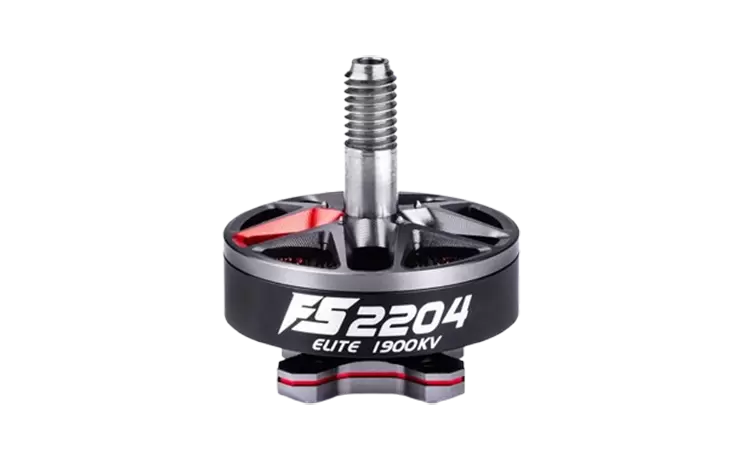
Meeting these requirements depends heavily on one key component: the motor.
An advanced ODM FPV Drone Motor must achieve a careful balance between thrust generation, electrical efficiency, thermal stability, and weight optimization. Focusing on only one performance metric often leads to compromises that negatively affect overall flight performance.
Understanding how these factors interact helps manufacturers develop UAV platforms capable of delivering consistent results across a wide range of applications.
Why More Thrust Is Not Always Better
Many buyers assume higher thrust automatically translates into better drone performance.
In reality, excessive thrust can create several disadvantages.
These include:
- Increased power consumption
- Reduced flight endurance
- Larger battery requirements
- Higher motor temperatures
- Increased system weight
The ideal motor should generate sufficient thrust while maintaining high efficiency within the drone's expected operating range.
For industrial UAVs, maintaining stable performance at 50%–70% throttle often delivers better results than maximizing peak thrust output.
The Relationship Between Motor Size and Payload
Motor size directly influences lifting capability.
Larger stators provide:
- Higher torque
- Greater current handling
- Improved thermal capacity
However, increasing motor size also adds weight.
For example:
A heavy-lift firefighting drone carrying suppression equipment may require large-diameter motors to generate adequate lift.
Conversely, a long-range inspection drone may prioritize efficiency and reduced weight.
ODM motor development allows optimization based on actual mission requirements rather than generic performance targets.
Propeller Matching: An Often Overlooked Factor
Motor performance cannot be evaluated independently.
The interaction between motor and propeller significantly influences:
- Thrust output
- Current consumption
- Vibration levels
- Flight efficiency
A high-torque low-KV motor paired with larger propellers often delivers:
- Better hovering efficiency
- Lower operating temperatures
- Longer flight times
Proper motor-propeller matching is essential for achieving optimal system performance.
Thermal Performance and Long-Term Reliability
Continuous operation places significant stress on drone motors.
Heat accumulation can lead to:
- Reduced efficiency
- Magnet degradation
- Bearing wear
- Premature failures
ODM motor manufacturers increasingly focus on thermal engineering.
Advanced solutions include:
- High-temperature winding insulation
- Optimized airflow structures
- Improved rotor ventilation
- Enhanced magnetic circuit design
These features improve reliability during prolonged operations.
Motor Efficiency Directly Impacts Operating Costs
Battery technology continues to improve, but energy remains a limiting factor for UAV systems.
Even small efficiency gains can produce measurable benefits.
Higher motor efficiency provides:
- Extended flight time
- Reduced battery cycling
- Lower heat generation
- Improved mission capability
For fleets operating multiple drones daily, efficiency improvements can significantly reduce long-term operating costs.
Precision Manufacturing Improves Flight Stability
Motor imbalance creates vibration.
Excessive vibration affects:
- Flight controller performance
- Camera stability
- Sensor accuracy
- Mechanical lifespan
High-quality ODM FPV drone motors utilize:
- Dynamic rotor balancing
- Precision CNC machining
- Tight assembly tolerances
These manufacturing practices contribute to smoother and more stable flight characteristics.
Environmental Protection Requirements
Many industrial UAVs operate in challenging environments.
Common exposure conditions include:
- Dust
- Rain
- High humidity
- Salt spray
- Temperature fluctuations
Protective design features may include:
- Waterproof coatings
- Corrosion-resistant materials
- Sealed bearings
- Enhanced insulation systems
These features improve durability and reduce maintenance requirements.
Future Trends in ODM FPV Motor Development
Several technological trends are shaping the next generation of UAV power systems.
These include:
- Higher-efficiency magnetic materials
- Lightweight structural components
- Intelligent motor monitoring
- Integrated temperature sensing
- Advanced cooling architectures
As drone applications become increasingly specialized, motor customization will continue growing in importance.
Conclusion
Developing a successful UAV platform requires more than selecting the most powerful motor available. An effective ODM FPV Drone Motor must balance thrust, efficiency, weight, thermal performance, and durability to meet specific operational requirements.
By optimizing motor design around real-world mission profiles, manufacturers can achieve longer flight times, improved reliability, and lower lifecycle costs. As UAV technology continues evolving, customized brushless power systems will remain a critical factor in determining overall aircraft performance.