The effectiveness of a lunette vision nocturne system is ultimately measured by its ability to deliver reliable detection and clear imaging in real-world environments. While laboratory specifications provide baseline indicators, actual operational performance is influenced by a wide range of environmental, optical, and electronic variables.
This article focuses on how detection range and image clarity can be optimized through system-level engineering and field-oriented design strategies.
Understanding Detection Range as a Multi-Variable System
Detection range in night vision systems is not a fixed parameter. It is a dynamic outcome influenced by target characteristics, atmospheric conditions, optical efficiency, and sensor sensitivity.
For example, a human target may be detectable at several hundred meters under clear starlight conditions, while the same system may only achieve a fraction of that range in fog or urban light pollution environments.
The key to improving detection range lies not in a single component upgrade but in improving photon utilization efficiency across the entire imaging chain.
Atmospheric Degradation and Signal Loss Mechanisms
Environmental conditions play a dominant role in reducing system performance. Fog, rain, dust, and smoke all introduce scattering effects that reduce photon transmission efficiency.
In foggy environments, light scattering increases background noise and reduces contrast, making target identification significantly more difficult. Dust particles in the air can also create false reflections, further complicating image interpretation.
Advanced lunette vision nocturne systems compensate for these effects through adaptive gain control and dynamic contrast adjustment, allowing the system to maintain usability even under degraded conditions.
Optical System Optimization for Maximum Clarity
Image clarity depends heavily on the optical subsystem, particularly lens design and coating technology.
High-quality optical systems use large-aperture lenses to maximize photon intake. However, aperture alone is insufficient. Optical coatings must minimize internal reflections and maintain consistent transmission across relevant wavelengths.
In addition, distortion control is critical for maintaining spatial accuracy. Without proper correction, objects near the edge of the field of view may appear warped or misaligned, reducing operational reliability.
Noise Suppression and Signal Enhancement Strategies
Noise is one of the most limiting factors in low-light imaging systems. It originates from both electronic and photonic sources and becomes more pronounced as gain increases.
Modern systems employ multi-layer noise reduction techniques, including spatial filtering, temporal averaging, and adaptive contrast enhancement.
However, excessive noise filtering can remove fine details, so the challenge lies in balancing clarity with detail preservation. High-performance lunette vision nocturne systems achieve this balance through real-time adaptive algorithms.
Power Stability and Thermal Effects on Performance
Power stability directly influences imaging consistency. Voltage fluctuations can cause variations in intensifier performance, leading to brightness instability or flickering.
Thermal effects also play a significant role. As system temperature increases, sensor sensitivity may shift, affecting image consistency.
Effective thermal design includes passive heat dissipation structures and temperature-compensated control circuits that maintain stable operating conditions across varying environments.
UAV Integration and Real-Time Imaging Requirements
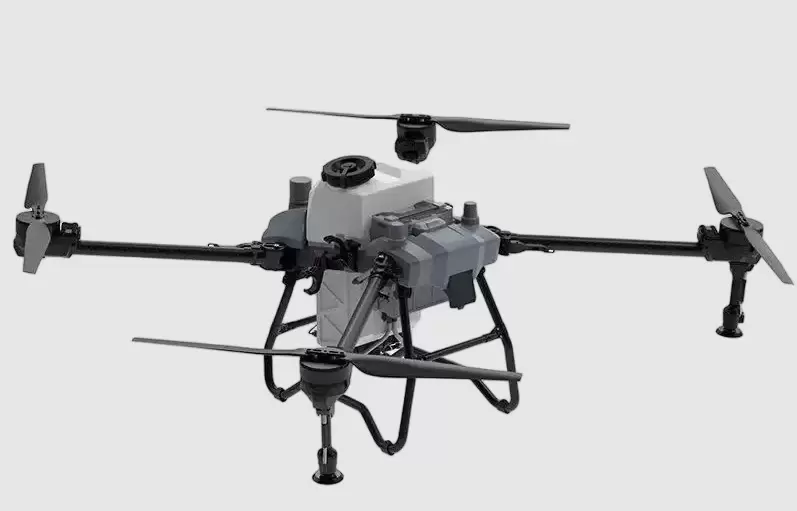
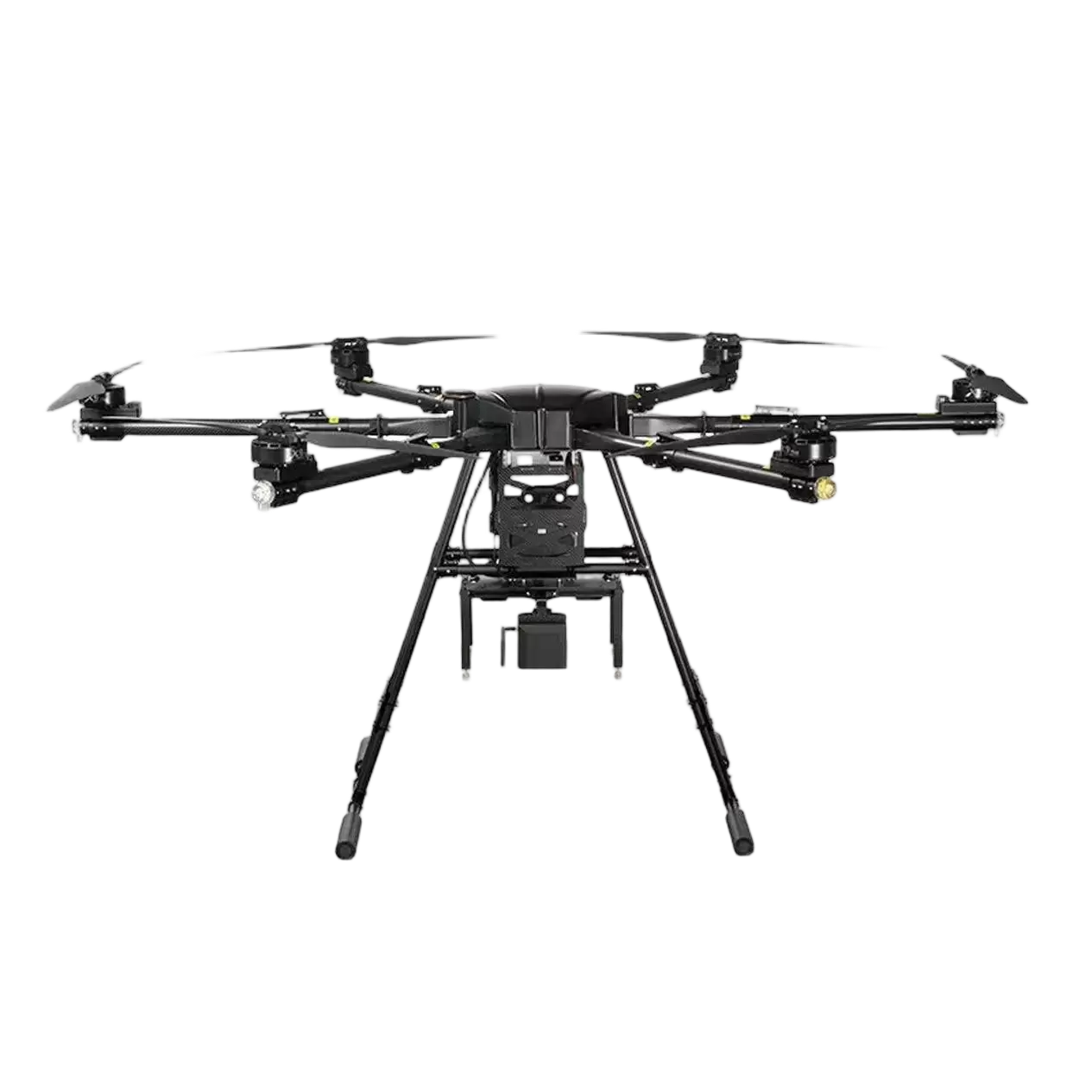
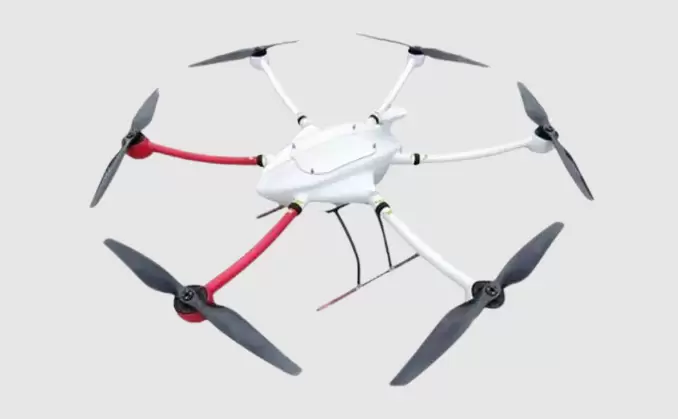
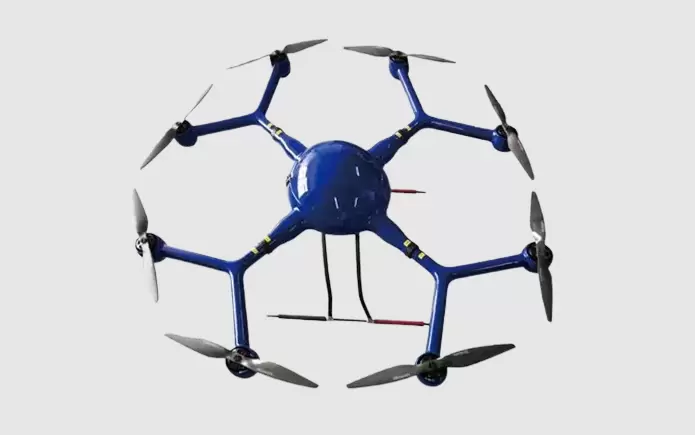
When integrated into UAV platforms, lunette vision nocturne systems must meet strict real-time performance requirements.
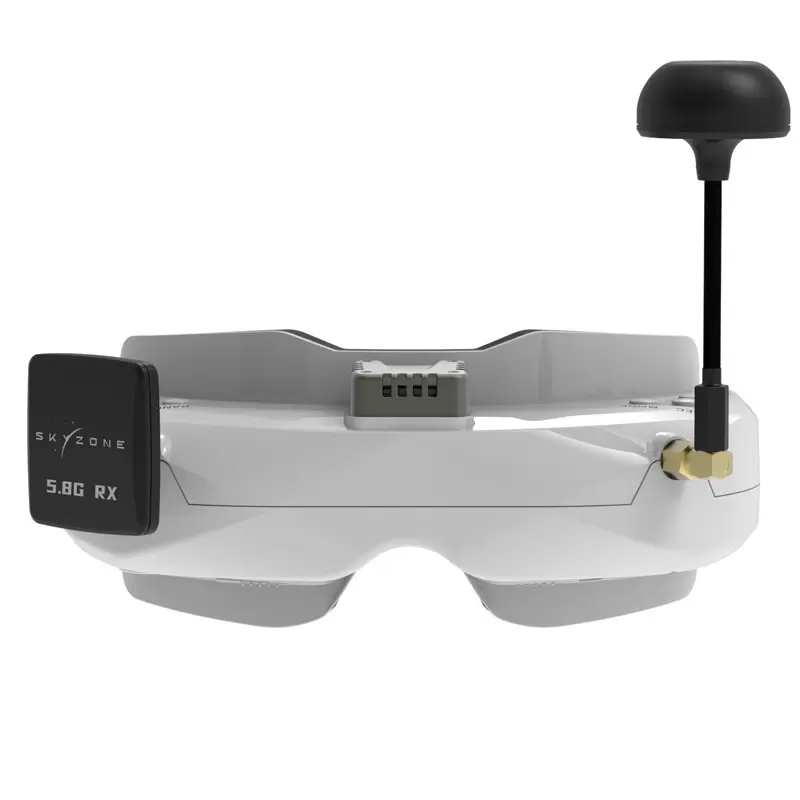
Latency becomes a critical parameter, as delays in image transmission can affect navigation accuracy and decision-making. Therefore, onboard processing is often required to reduce data transmission load.
Additionally, vibration from UAV propulsion systems must be isolated to prevent image jitter. This requires mechanical damping and software-based stabilization techniques.
Balancing Resolution and Sensitivity
Increasing resolution improves image detail but often reduces sensitivity due to smaller pixel or detection elements. Conversely, increasing sensitivity may reduce resolution fidelity.
The optimal balance depends on application requirements. Surveillance applications may prioritize sensitivity, while inspection tasks may require higher resolution for detail recognition.
System designers must carefully tune sensor parameters to match operational needs.
Conclusion: Real-World Performance Requires System Optimization
Optimizing a lunette vision nocturne system for detection range and image clarity requires a holistic engineering approach. Environmental conditions, optical design, sensor sensitivity, and processing algorithms must all work together to achieve stable performance.