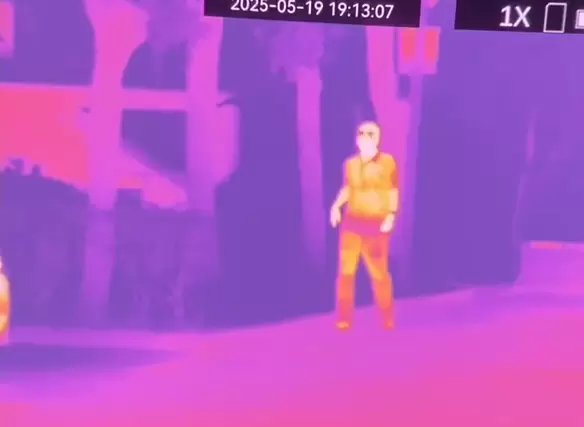
In environments where illumination drops below 0.01 lux, human vision becomes ineffective, and conventional optical systems fail to deliver usable imaging. In such conditions, the lunette vision nocturne becomes a mission-critical technology, enabling visibility, detection, and identification across a wide range of industrial and operational scenarios.
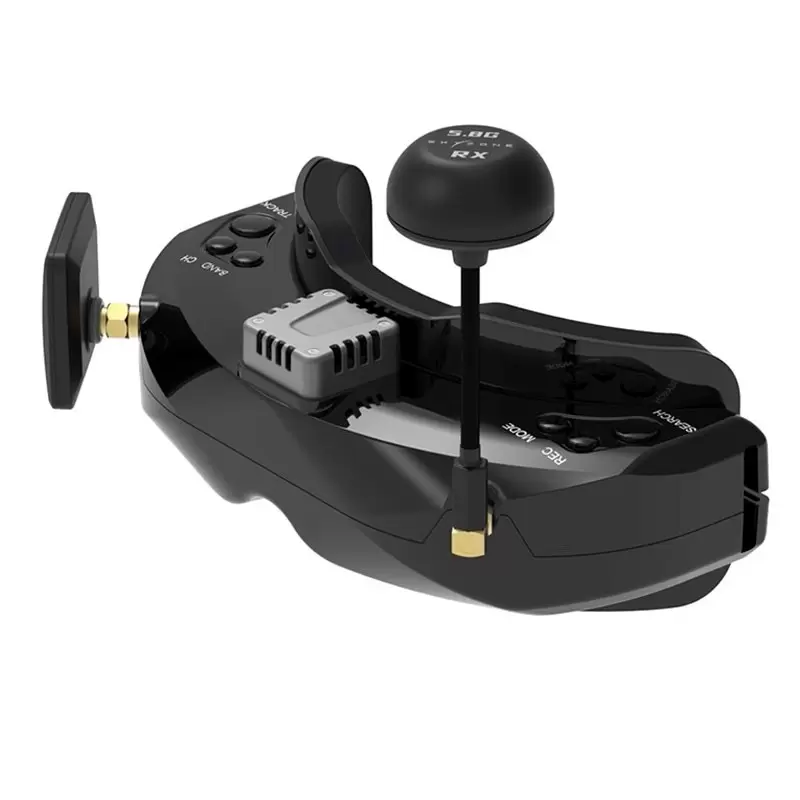
From UAV-based emergency response to infrastructure inspection and perimeter surveillance, modern applications demand more than simple image amplification. They require stable signal processing, high-resolution output, low latency, and robust environmental adaptability. This transforms the lunette vision nocturne from a consumer-grade optical device into a complex electro-optical system.
This article examines the engineering principles behind night vision systems, focusing on image intensification, optical design, system integration, and real-world performance constraints.
The Physics of Low-Light Imaging
Low-light imaging relies on capturing and amplifying photons that are otherwise insufficient for human perception. In starlight conditions, illumination levels may fall below 0.001 lux, requiring amplification factors exceeding 10,000x to produce a visible image.
The lunette vision nocturne operates primarily through photon-to-electron conversion. Incoming photons strike a photocathode, generating electrons that are then amplified and converted back into visible light.
The efficiency of this process depends on:
- Quantum efficiency of the photocathode
- Gain characteristics of the amplification stage
- Noise suppression in electron multiplication
- Optical transmission efficiency
These parameters collectively define system sensitivity and image clarity.
Image Intensifier Generations and Performance Differences
Night vision systems are typically classified into generations, each representing advancements in technology.
Gen 1 systems offer basic amplification but suffer from distortion and low resolution. They are generally unsuitable for professional applications.
Gen 2 systems introduce microchannel plates (MCP), improving gain and resolution significantly. Typical performance includes 45–55 lp/mm resolution and moderate SNR.
Gen 3 systems utilize gallium arsenide photocathodes, achieving higher sensitivity and SNR (>20), with resolution reaching 64–72 lp/mm.
Gen 4 (or advanced Gen 3) systems further enhance auto-gating and dynamic response, improving performance under varying light conditions.
For industrial and UAV-integrated applications, Gen 2+ and Gen 3 systems are most commonly used due to their balance of performance and cost.
Optical Engineering: Maximizing Photon Capture
The optical system in a lunette vision nocturne is designed to maximize photon collection while minimizing losses.
Key parameters include:
Objective lens aperture (typically F1.0–F1.4) determines how much light enters the system. A lower F-number significantly improves performance in ultra-low light.
Lens coatings reduce reflection losses. Multi-layer anti-reflective coatings can improve transmission efficiency by 5–10%.
Optical distortion control ensures accurate image representation, especially important in targeting and measurement applications.
High-end systems use precision-ground glass elements rather than molded optics to maintain consistent image quality.
Signal-to-Noise Ratio: The True Indicator of Performance
While gain is often highlighted in specifications, the signal-to-noise ratio (SNR) is the most critical parameter in real-world use.
High gain amplifies both signal and noise. Without sufficient noise suppression, the image becomes grainy and unusable.
Typical SNR values:
- Entry-level systems: 12–15
- Mid-range systems: 16–20
- High-performance systems: 20–30
A higher SNR enables better target recognition, especially in low-contrast environments.
Digital Night Vision and Sensor-Based Systems
In addition to analog intensifier systems, digital night vision is gaining traction.
Digital systems use CMOS or CCD sensors with high sensitivity and software-based enhancement.
Advantages include:
- Image recording and transmission
- Integration with UAV and network systems
- Software-based zoom and filtering
However, digital systems typically require minimum illumination levels (e.g., >0.01 lux) or auxiliary infrared illumination.
For applications requiring complete darkness operation, analog intensifier-based lunette vision nocturne systems remain superior.
Integration with UAV Systems
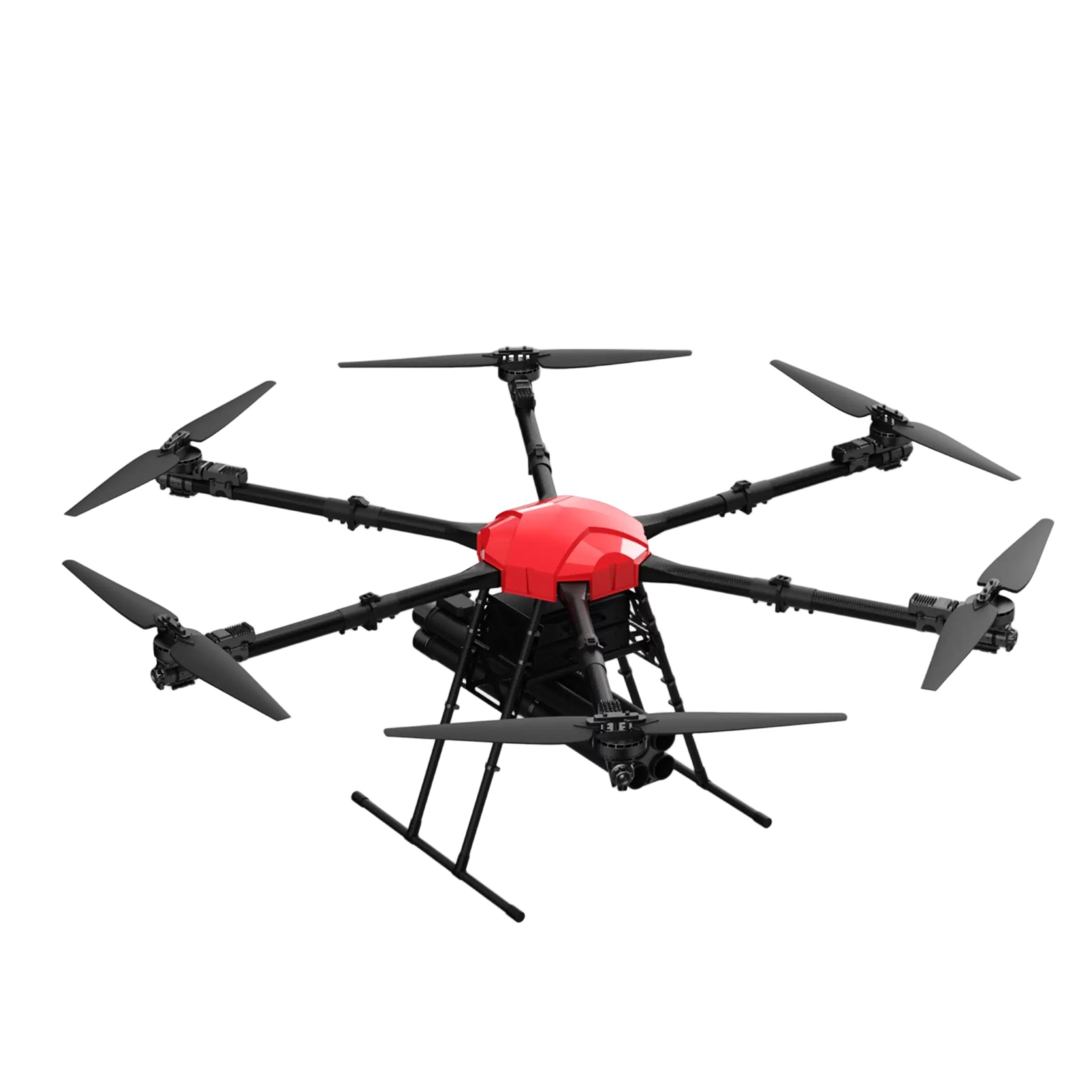
The integration of lunette vision nocturne into UAV platforms introduces additional engineering constraints.
Weight is critical. Systems must typically remain below 500–800 grams for small UAV compatibility.
Power consumption must be optimized to avoid reducing flight time. Typical systems consume 2–5W.
Data transmission requires low-latency video encoding and stable communication links.
Manufacturers with expertise in UAV systems, such as those developing brushless motor platforms, can integrate night vision systems more effectively into aerial solutions.
Environmental Durability and Field Reliability
Night vision systems are often deployed in harsh environments.
Key durability requirements include:
Shock resistance up to 500–1000g for impact protection
IP67 or higher sealing against dust and water
Operating temperature range from -30°C to +50°C
Thermal stability is particularly important, as temperature variations can affect sensor performance and optical alignment.
Power Systems and Energy Efficiency
Battery performance directly affects operational reliability.
Typical configurations include:
Rechargeable lithium batteries with capacities of 2000–5000 mAh
Continuous operation time of 4–10 hours
Low-power standby modes for extended missions
Efficient power management ensures stable operation without frequent battery replacement.
Application Scenarios and Performance Requirements
Different applications impose different requirements on lunette vision nocturne systems.
Search and rescue operations require long detection range and high contrast imaging.
Industrial inspection prioritizes image clarity and detail recognition.
Security and surveillance applications require stable long-term operation and integration with monitoring systems.
UAV-based applications demand lightweight design and real-time data transmission.
Future Trends in Night Vision Technology
Night vision technology continues to evolve with advancements in materials and digital processing.
Key trends include:
Hybrid systems combining thermal and image intensification
AI-based image enhancement and target recognition
Integration with autonomous UAV systems
Improved photocathode materials for higher sensitivity
These innovations are expanding the capabilities of lunette vision nocturne systems across industries.
Lunette Vision Nocturne: A Foundation for Low-Light Operational Capability
The lunette vision nocturne is a highly engineered system that enables reliable imaging in environments where visibility is otherwise impossible.
By optimizing optical design, sensor performance, and system integration, manufacturers can deliver solutions that meet the demanding requirements of modern industrial and field applications.