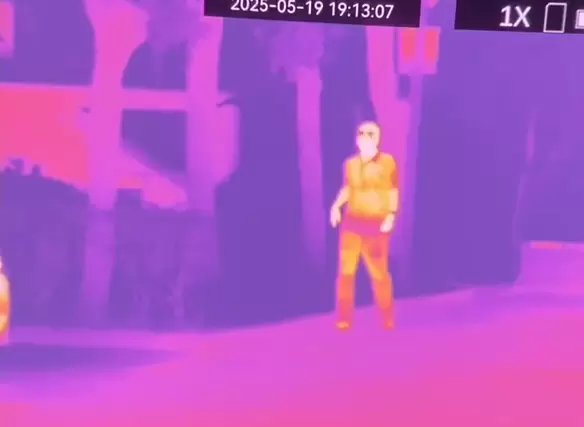
Selecting a lunette vision nocturne system for professional use requires a structured evaluation of technical parameters, operational requirements, and integration constraints.
Unlike consumer-grade devices, professional systems must deliver predictable performance under variable and often extreme conditions.
Defining Performance Requirements
The first step in system selection is defining operational goals. These may include detection range, image clarity, weight constraints, and power consumption limits.
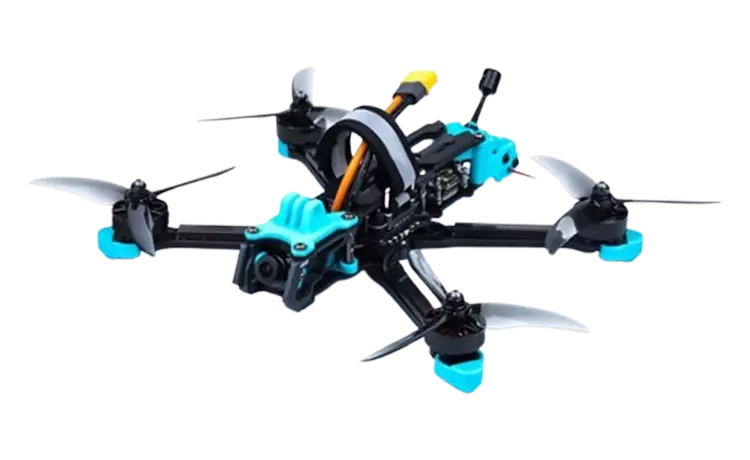
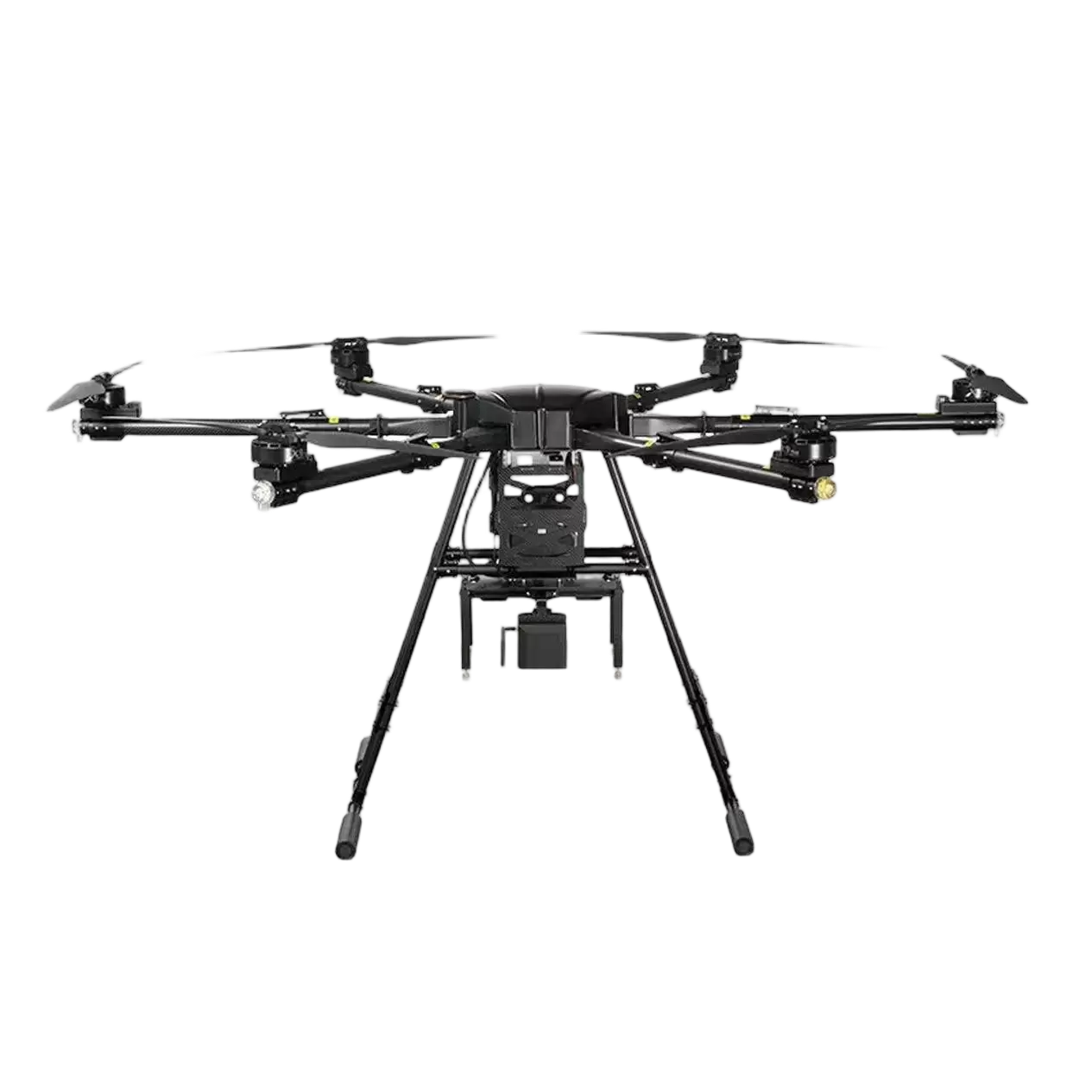
Different applications prioritize different parameters. UAV-based systems emphasize weight and energy efficiency, while ground-based surveillance systems prioritize resolution and stability.
Optical and Sensor Trade-Offs
Optical performance and sensor sensitivity must be balanced carefully.
High-aperture optics improve low-light performance but may introduce optical distortion if not properly designed. Similarly, high-sensitivity sensors improve detection capability but may increase noise levels.
System selection therefore involves balancing competing performance factors rather than maximizing a single parameter.
Mechanical Design and Field Durability
Durability is essential for field deployment. Systems must withstand vibration, shock, temperature variation, and moisture exposure.
Structural rigidity ensures optical alignment stability, while protective housing materials ensure long-term reliability.
Integration Considerations
Modern lunette vision nocturne systems rarely operate in isolation. They are often integrated into UAVs, surveillance networks, or industrial inspection systems.
Compatibility with communication protocols, power systems, and control interfaces is therefore essential.
Supplier Engineering Capability
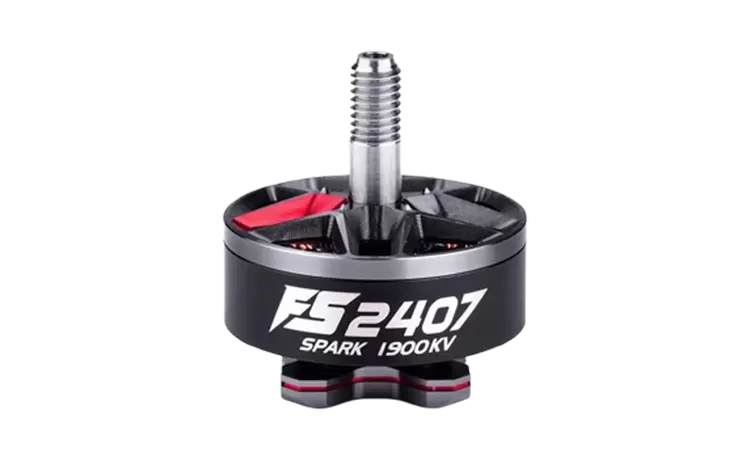
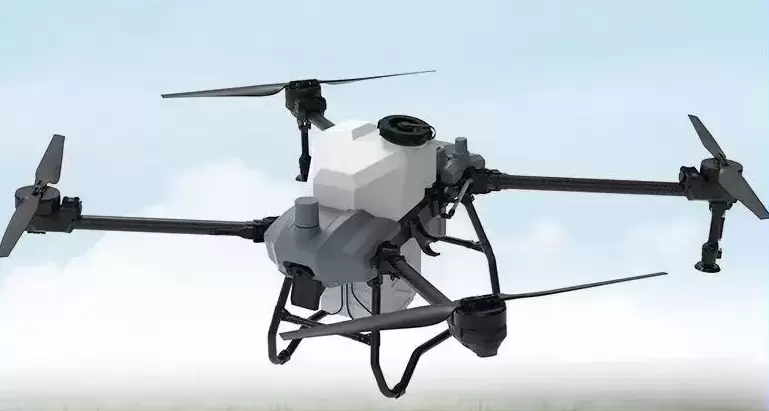
System performance is heavily influenced by manufacturer capability. Companies with strong R&D backgrounds in UAV propulsion systems, such as brushless motor and integrated UAV design, often have advantages in system integration due to their understanding of power, weight, and control dynamics.
Conclusion: Structured Selection Ensures System Reliability
Selecting a lunette vision nocturne system requires more than comparing specifications. It requires understanding how optical, electronic, mechanical, and integration factors interact in real-world environments.
A well-engineered system ensures consistent performance, operational reliability, and long-term value across demanding applications.