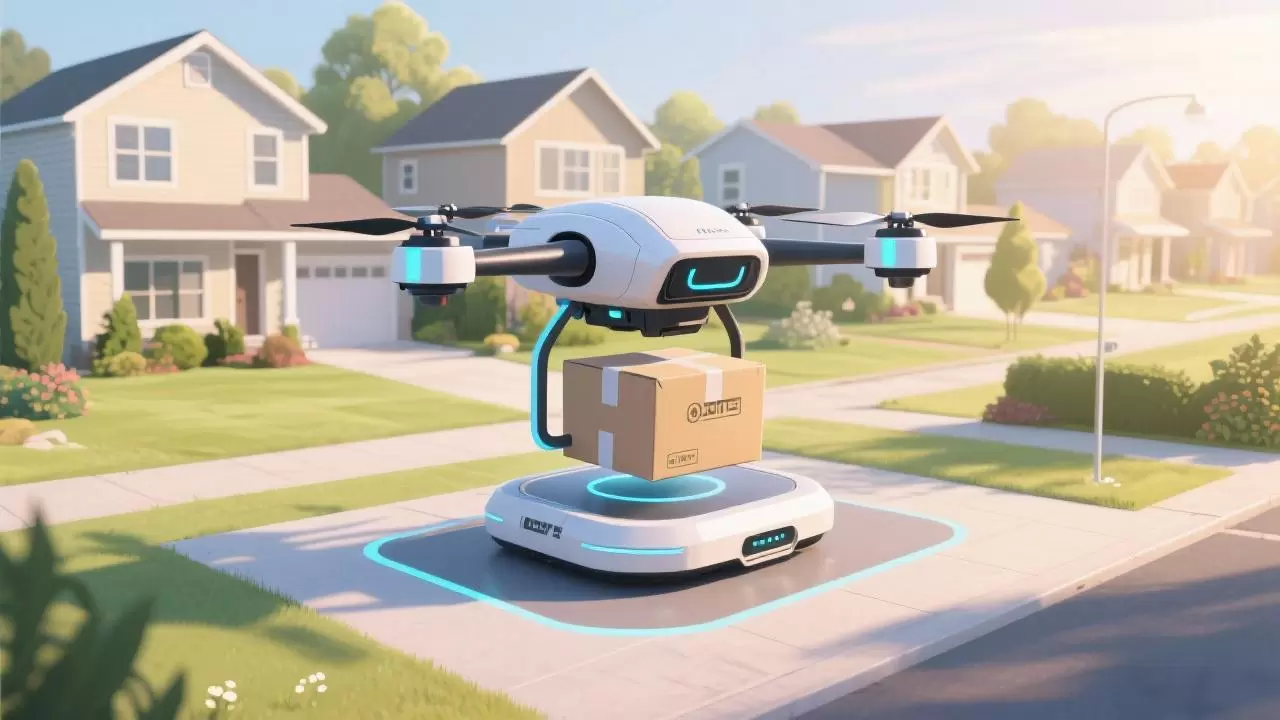
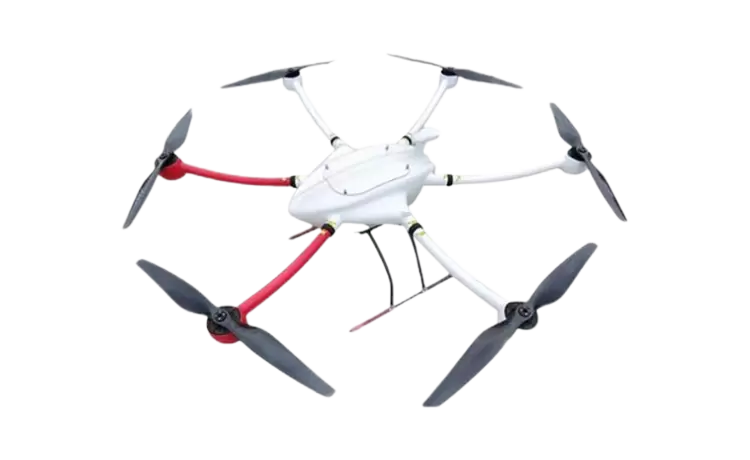
As industries increasingly embrace drone technology, multi-rotor drones have become an essential tool for monitoring, inspection, and safety operations. From construction sites to industrial facilities, agriculture, and emergency response, these drones offer unmatched flexibility, real-time data, and operational efficiency. However, selecting the right multi-rotor drone monitoring solution requires careful consideration of your business needs, operational environment, and desired outcomes.
Jiangxi BonSure Technology Co., Ltd, a leading manufacturer specializing in firefighting and rescue drones and high-efficiency brushless power systems, provides reliable and high-performance platforms tailored to industrial, commercial, and emergency applications. This article outlines the key factors businesses should consider when choosing a multi-rotor drone monitoring system and how BonSure Technology’s solutions meet these needs.
1. Define Your Monitoring Objectives
Before choosing a drone solution, clearly outline the purpose of your operations. Multi-rotor drones can serve a wide range of applications, including:
Industrial inspection: Monitoring pipelines, power lines, storage tanks, and manufacturing equipment
Construction site management: Tracking progress, checking safety compliance, and inspecting structural integrity
Security and surveillance: Perimeter monitoring, crowd management, and emergency response
Environmental monitoring: Forest management, water resource inspections, wildlife observation
Understanding your primary objectives will help determine the drone specifications, sensors, and flight capabilities you need.
2. Consider Payload and Sensor Requirements
Different monitoring tasks require different sensors and payload capacities:
High-resolution cameras for visual inspections and documentation
Thermal cameras for detecting heat anomalies in industrial equipment or electrical systems
Gas or chemical sensors for hazardous environment monitoring
LiDAR or multispectral sensors for mapping, agriculture, or environmental studies
Multi-rotor drones must have sufficient payload capacity and stability to carry these sensors without compromising flight performance. Jiangxi BonSure Technology’s drones are designed with robust brushless power systems to handle high-performance payloads reliably.
3. Evaluate Flight Time and Battery Efficiency
Flight duration is a critical factor in operational efficiency. Consider:
Battery capacity and type: High-capacity LiPo or LiFePO4 batteries provide longer operational times
Energy-efficient motors: Brushless motors reduce power consumption and improve endurance
Redundancy features: Backup power systems can extend flight time in critical missions
BonSure Technology specializes in high-efficiency brushless power systems that optimize energy consumption while maintaining reliable drone performance for extended monitoring missions.
4. Assess Flight Range, Control, and Safety Features
Depending on your operational environment, the following factors are essential:
Flight range: Ensure the drone can cover the required inspection area without interruption
Stability and maneuverability: Critical for precise inspections in confined or hazardous spaces
Safety features: GPS stabilization, obstacle avoidance, automatic return-to-home, and fail-safe protocols are essential for protecting both operators and assets
BonSure drones incorporate advanced flight control systems and safety features that enable reliable operations in industrial, firefighting, and rescue scenarios.
5. Ease of Use and Training Requirements
The complexity of the drone platform affects adoption and operational efficiency. Consider:
User interface: Intuitive control software reduces the learning curve
Autonomous flight modes: Pre-programmed flight paths improve efficiency and reduce operator error
Maintenance requirements: Modular components and durable designs lower downtime and simplify service
BonSure Technology provides drones that balance professional-grade performance with operator-friendly features, making them accessible for a range of business users.
6. Regulatory Compliance and Certification
Operating drones commercially requires adherence to local aviation regulations and safety standards. When choosing a solution, ensure:
Drone meets relevant safety and quality certifications
Compliance with airspace regulations for commercial or industrial flights
Clear guidelines for payload, altitude, and operational limits
Choosing a reputable manufacturer like Jiangxi BonSure Technology ensures that drones are designed with compliance and quality standards in mind, supporting safe and legal operations.
7. Scalability and Customization
Businesses with evolving monitoring needs should consider drones that offer:
Modular design for sensor upgrades or payload changes
Scalable drone fleets for larger operational coverage
Custom solutions tailored to specific industrial or emergency scenarios
BonSure Technology specializes in custom multi-rotor drone solutions, allowing businesses to design platforms for specialized monitoring, firefighting, and rescue missions.
Conclusion
Selecting the right multi-rotor drone monitoring solution requires careful consideration of operational objectives, sensor payload, flight performance, safety features, regulatory compliance, and scalability. A high-quality drone system not only improves operational efficiency but also enhances safety, reduces downtime, and delivers accurate, actionable data.
Jiangxi BonSure Technology Co., Ltd offers reliable multi-rotor drones equipped with high-efficiency brushless power systems, advanced sensors, and robust flight control features. Whether your business needs industrial inspection, site safety monitoring, or emergency response capabilities, BonSure provides solutions that are tailored for precision, reliability, and long-term performance.