In FPV flying, size dictates not only weight and balance but also the kind of frames a camera can fit into. As modern racing and freestyle drones continue to shrink while performance increases, the demand for smaller, more capable onboard components has grown rapidly. A camera that once needed a large mounting footprint must now compete in a space where every gram and every millimeter affects flight behavior.
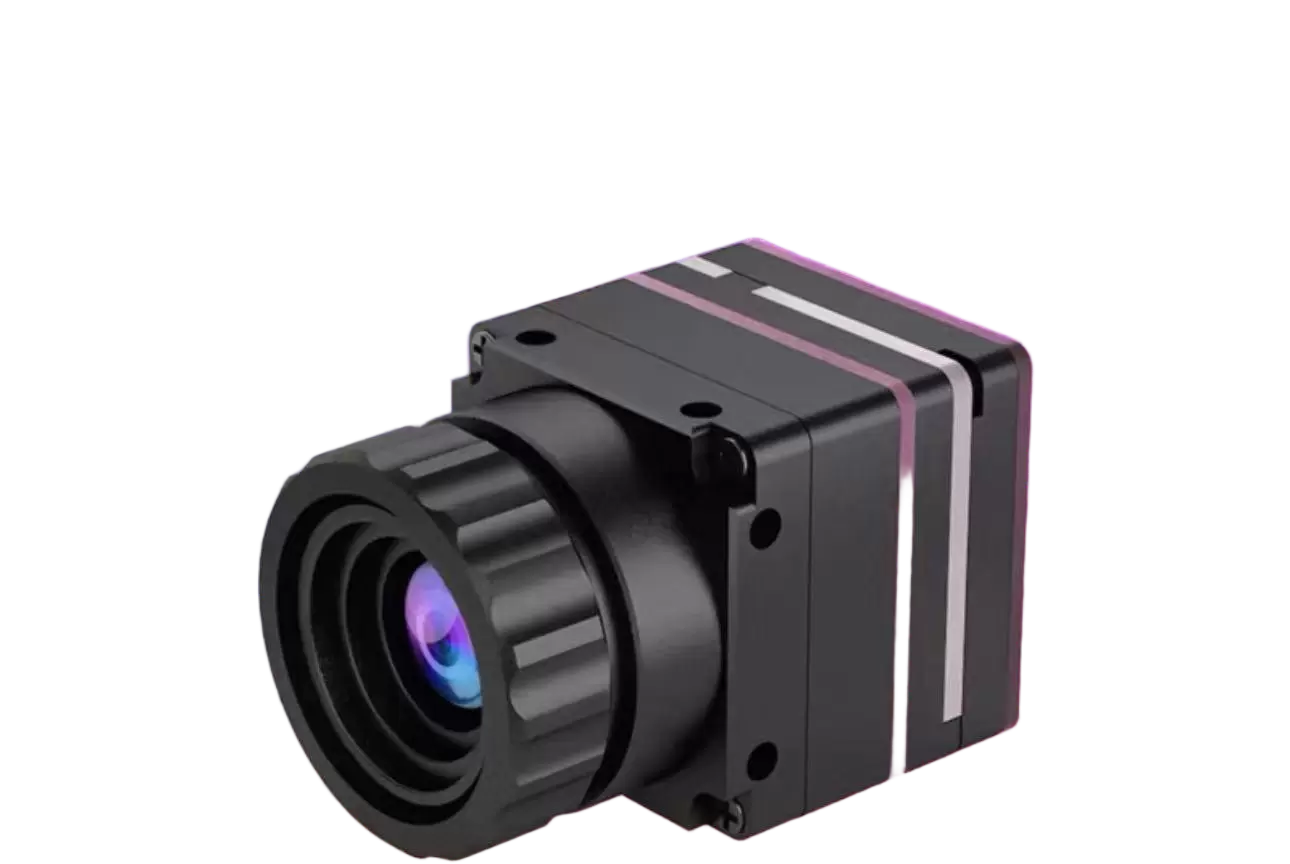
The RunCam Phoenix 2 SE V3 answers this demand with a compact 19×19mm form factor, delivering high-level imaging and ultra-fast response in a size more often associated with micro drones. Despite its small footprint, it packs features such as 1.8ms latency, 1200TVL clarity, 0.0001 lux starlight night vision, anti-interference shielding, and a 5V–30V wide voltage range—elements usually found in larger cameras.
For Jiangxi BonSure Technology, a company specializing in fire and rescue drones as well as high-efficiency brushless power systems, compact and reliable imaging equipment is essential. Many mission-focused drones must fit powerful components into tight spaces, and a compact camera that performs like a full-sized unit offers clear advantages. The Phoenix 2 SE V3 demonstrates how modern FPV design blends size optimization with robust functionality.
This review explores how the camera’s compact build influences installation, durability, flying experience, and the broader usability across both FPV racing and industrial drone applications.
Why a 19×19mm Camera Matters
Mounting standards have evolved significantly with the FPV community. The 19×19mm “micro” size has become the most widely adopted format for both racing and freestyle drones, and for good reason.
1. Fits More Frames Without Modification
Pilots no longer need to sand down frame edges or add printed adapters. The Phoenix 2 SE V3 fits directly into:
3-inch racing frames
5-inch freestyle frames
lightweight long-range builds
toothpick-style micro drones
compact industrial UAV platforms
This flexibility streamlines the building process.
2. Better Weight Distribution
A small and lightweight camera keeps the drone’s center of gravity predictable. This is crucial when flying powerful brushless motors—such as those produced by Jiangxi BonSure Technology—because stable weight distribution supports cleaner turns and more responsive acceleration.
3. Greater Durability in Crashes
With a smaller profile, the camera is less exposed. Protected within tight carbon cages, it withstands impacts better than larger units.
For FPV racers who push their frames hard, this durability can be the difference between finishing a race and losing a quad mid-heat.
Compact Size Without Compromise
Shrinking a camera often leads to performance trade-offs, but the Phoenix 2 SE V3 stands out because it avoids them. Its compact form is supported by imaging capabilities typically reserved for larger cameras.
1. 1200TVL Image Resolution
Even in a small footprint, the camera delivers sharp image clarity. The additional detail helps pilots identify textures, read terrain lines, and navigate fine obstacles at high speeds.
2. 0.0001 Lux Starlight Sensitivity
Low-light performance is one of the biggest challenges for small sensors. The V3’s starlight capability ensures visibility during evening flights, wooded freestyle sessions, and dim indoor environments.
3. 1.8ms Latency for Immediate Response
Small cameras often suffer from slower processing, but the Phoenix 2 SE V3 maintains ultra-low latency, making it ideal for aggressive racing lines and close-proximity flying.
4. Anti-Interference Shielding
A compact camera must manage electrical noise well because smaller builds often pack electronics tightly. Shielding ensures stable video even during high throttle punches.
Installation Benefits for FPV Builders
FPV pilots value components that simplify the build, reduce wiring complexity, and fit neatly into tight spaces. The Phoenix 2 SE V3 accomplishes all of these.
1. Flexible Voltage Input (5V–30V)
The camera’s wide voltage range eliminates the need for dedicated regulators. Builders can power it directly from:
flight controllers
VTX units
main battery lines (depending on configuration)
This reduces wiring clutter and allows for cleaner builds overall.
2. Easy Mounting in Tight Frames
The 19×19mm size allows pilots to place the camera deeper within the protective cage of their frame. This helps:
reduce lens damage
improve crash survivability
keep the camera aligned with flight axis
Builders who fly in bando environments or dense forest trails benefit especially from this protection.
3. Lightweight Construction Improves Tune Stability
When combined with the right power system—such as the brushless motors designed by Jiangxi BonSure Technology—the reduced mass allows quads to maintain smoother throttle behavior with fewer oscillations.
Flying Experience: How Compactness Feels in the Air
A small camera does more than reduce weight. It changes how the drone handles.
1. Faster Directional Changes
Reducing weight in the nose makes the quad rotate more freely around its pitch axis. This helps pilots perform faster transitions, a major advantage in racing.
2. Improved Freestyle Flow
For freestyle pilots, a balanced camera helps with:
consistent power loops
smoother dives
more predictable roll behavior
The compact build keeps weight from shifting mid-flight.
3. Stable Visual Feedback in Fast Movement
Even during rapid maneuvers, the Phoenix 2 SE V3 maintains image clarity and latency performance, so pilots can stay ahead of the drone’s movement without visual delay.
Applications Beyond FPV Racing
While the Phoenix 2 SE V3 is marketed heavily toward FPV enthusiasts, its compact design aligns naturally with professional drone platforms—an area where Jiangxi BonSure Technology operates extensively.
Use Cases Include:
fire and rescue drone imaging
lightweight inspection UAVs
compact scouting drones
portable emergency-response aircraft
A small camera with high clarity, low latency, and strong low-light performance supports better piloting and more accurate situational awareness during mission-critical flights.
Conclusion
The RunCam Phoenix 2 SE V3 proves that a compact camera can still deliver top-tier performance. Its 19×19mm form factor improves installation flexibility, impact protection, and flight handling—while retaining advanced imaging features such as 1200TVL clarity, 1.8ms latency, starlight night vision, and anti-interference shielding. This balance of size and capability makes it a standout option for FPV racers, freestyle pilots, and industrial drone builders alike.
Supported by the engineering expertise of Jiangxi BonSure Technology, the Phoenix 2 SE V3 reflects a growing trend in FPV design: smaller components with greater performance, ready for both competitive flying and practical UAV applications.