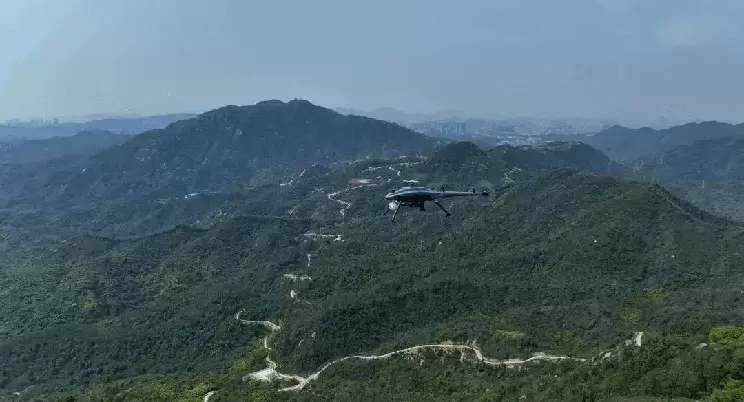
Industrial environments are becoming more complex, more automated, and more demanding in terms of safety and operational reliability. Traditional inspection methods—manual climbing, ground patrols, rope access, or scaffold-based checks—are often slow, risky, and costly. As industries search for smarter and safer inspection solutions, multi-rotor drones have emerged as a powerful tool for real-time monitoring and data acquisition.
Today, multi-rotor drone monitoring is reshaping the way factories, construction sites, energy facilities, and hazardous zones perform inspection tasks. Manufacturers such as Jiangxi BonSure Technology Co., Ltd, a leading producer of firefighting and rescue drones and high-efficiency brushless power systems, are driving this transformation through advanced engineering, reliable drone platforms, and specialized monitoring capabilities.
This article explores how multi-rotor drone monitoring is revolutionizing industrial inspection and improving operational safety across key sectors.

1. Why Multi-Rotor Drones Excel in Industrial Environments
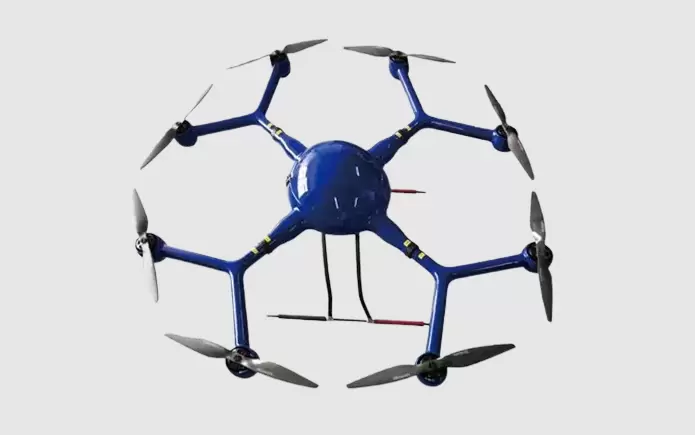
Multi-rotor drones are uniquely suited for industrial monitoring due to their ability to hover precisely, maneuver in tight spaces, and carry specialized sensors that capture accurate, high-resolution data.
Key advantages include:
Vertical takeoff and landing (VTOL)
Stable low-speed flight for close-range inspection
Excellent hover accuracy
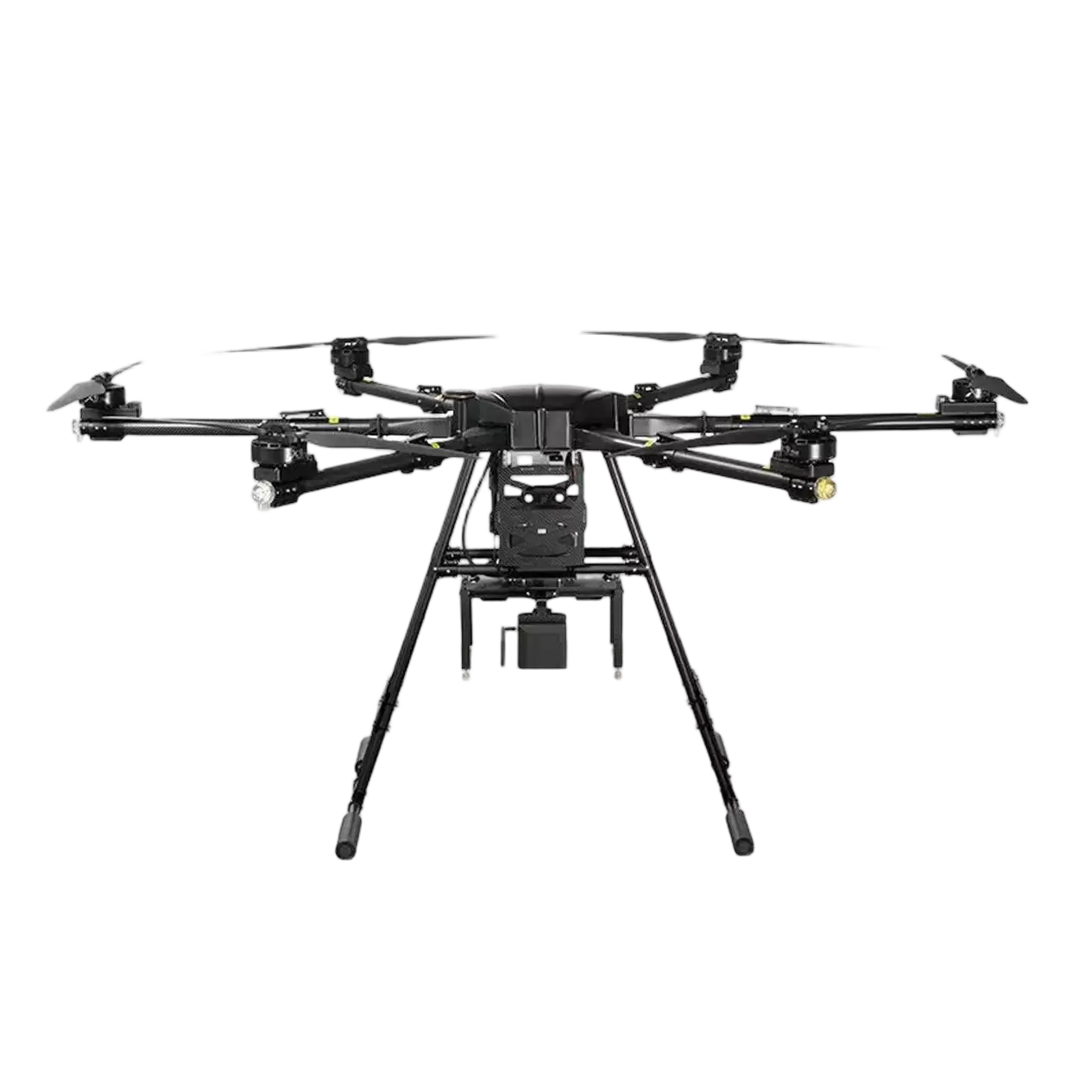
High payload capacity for cameras and sensors
Remote operation to protect workers from hazardous areas
These characteristics make multi-rotor drones an ideal solution for industries seeking safer, faster, and more reliable inspection methods.
2. Transforming Industrial Inspection: Faster, Safer, Smarter
Industrial inspection is essential for ensuring equipment reliability and preventing accidents. Multi-rotor drones elevate inspection standards through three major improvements.
Faster Data Collection
Drones can inspect large facilities—such as chemical plants, warehouses, pipelines, and power stations—within minutes rather than hours or days. This accelerated inspection schedule reduces downtime and increases operational efficiency.
Safer Access to Hazardous Areas
Many industrial sites contain risks such as:
High temperatures
Toxic gases
High-voltage equipment
Confined spaces
Elevated structures
With drone monitoring, inspectors no longer need to place themselves in danger. The drone captures data from a safe distance, significantly lowering the risk of injury.
Higher Accuracy and Consistency
Equipped with advanced sensors such as:
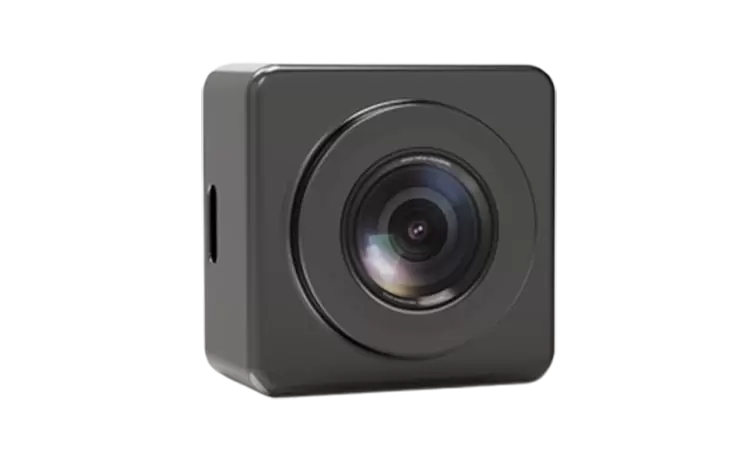
4K or 8K cameras
Thermal imaging
Gas detection modules
LiDAR
Drones provide detailed, repeatable measurements that human inspectors may miss. This improves maintenance planning and helps companies identify issues before they escalate.
3. Strengthening Construction Site Safety and Progress Tracking
Construction sites benefit greatly from real-time aerial insights. Multi-rotor drones enhance safety and operational transparency across multiple areas.
Real-Time Safety Monitoring
Drones help teams detect:
Unsafe worker behavior
Missing PPE
Structural instability
Unauthorized entry
Live aerial feeds give supervisors instant awareness of potential hazards.
Progress Documentation
Drones capture:
Daily construction progress
Material distribution
Areas requiring attention
Worksite conditions after weather events
This documentation supports reporting, compliance, and communication with stakeholders.
Reduced Liability
By providing objective and time-stamped records, drone monitoring helps avoid disputes regarding delays, accidents, or quality issues.
4. Improving Facility Maintenance and Equipment Reliability
Factories and industrial plants rely on continuous monitoring to maintain safe operation. Multi-rotor drones offer several high-value benefits:
Thermal Inspection of Electrical Systems
Drones equipped with thermal sensors can detect:
Overheating transformers
Faulty wiring
Imbalanced loads
This prevents equipment failure and fire hazards.
Structural Assessments
In facilities with complex structures—such as refineries, warehouses, or steel plants—drones perform detailed checks on:
Roofs
Beams
Tanks
Towers
Storage silos
Damage or corrosion can be identified early, reducing repair costs.
Routine Monitoring
Automated flight routines allow drones to repeat the same path daily, providing highly consistent long-term monitoring data.
5. The Role of Jiangxi BonSure Technology in Advancing Industrial Drone Monitoring
As industries adopt more drone-based inspection systems, Jiangxi BonSure Technology Co., Ltd stands out as an innovative manufacturer supporting this technological shift.
The company specializes in:
Firefighting and rescue multi-rotor drones
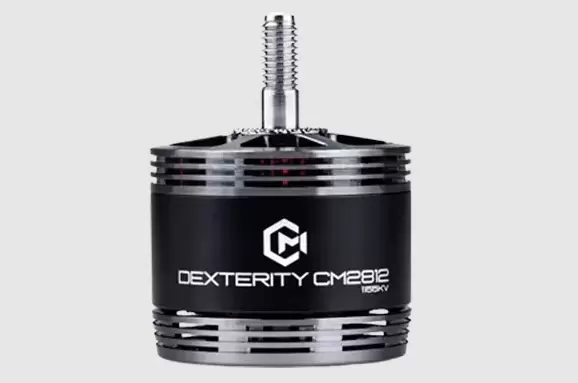
High-performance brushless motors
Custom drone engineering
Durable drone frames and accessories
Export-ready industrial drone platforms
BonSure’s focus on high-efficiency brushless power systems ensures that their drones deliver strong thrust, stable performance, and high reliability—qualities essential for industrial inspection and safety monitoring.
Core strengths include:
Strict manufacturing standards
Advanced R&D capabilities
High-quality components
Long-term export experience
These advantages enable BonSure to supply high-performance drones tailored to industrial applications, from routine inspections to emergency operations.
6. Why Multi-Rotor Drone Monitoring Is the Future of Industrial Safety
The shift toward digital inspection is accelerating across global industries. Multi-rotor drones offer unmatched benefits:
Reduced worker risk
Faster inspection cycles
Lower long-term operational costs
Higher data accuracy
Improved emergency response
Greater overall site safety
As technology continues to evolve, drones will become an indispensable component of every industrial safety and inspection strategy.
Conclusion
Multi-rotor drone monitoring is transforming industrial inspection and site safety by enabling faster data collection, safer operations, and smarter decision-making. With the support of advanced manufacturers like Jiangxi BonSure Technology Co., Ltd, industries are gaining access to robust, high-performance drone systems built for challenging environments.
From structural assessments to emergency response, multi-rotor drones are helping companies improve efficiency, reduce risk, and build safer workplaces for the future.