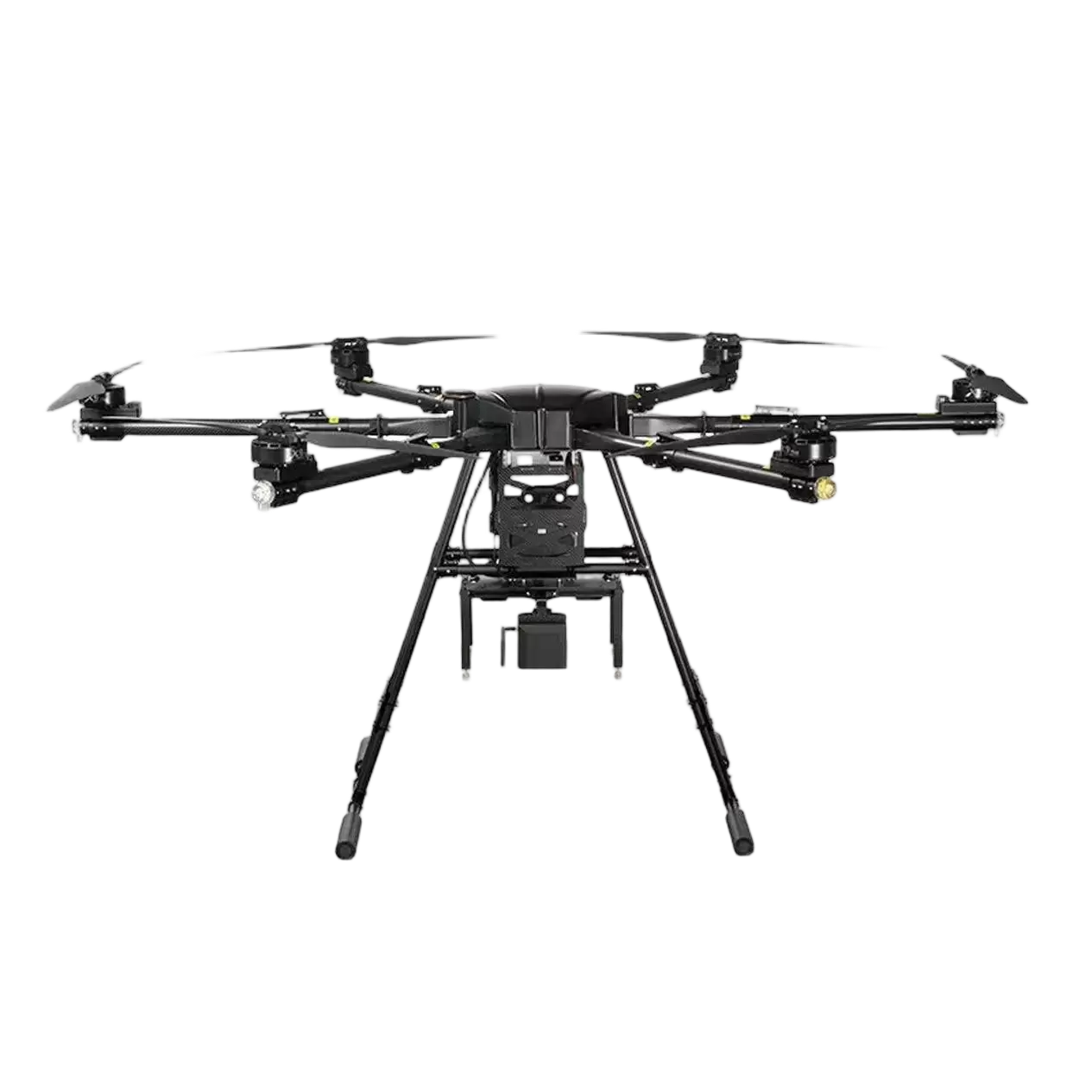
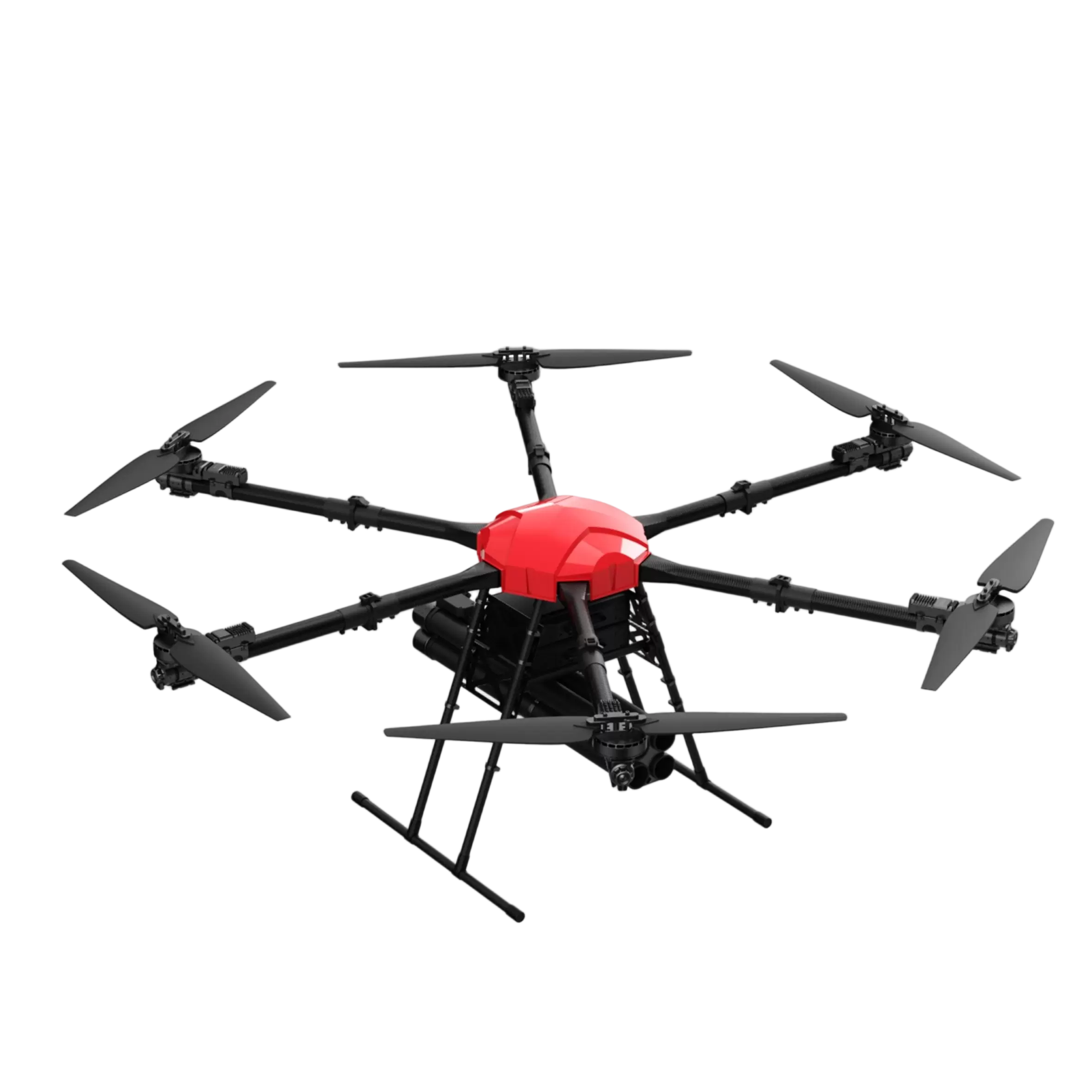
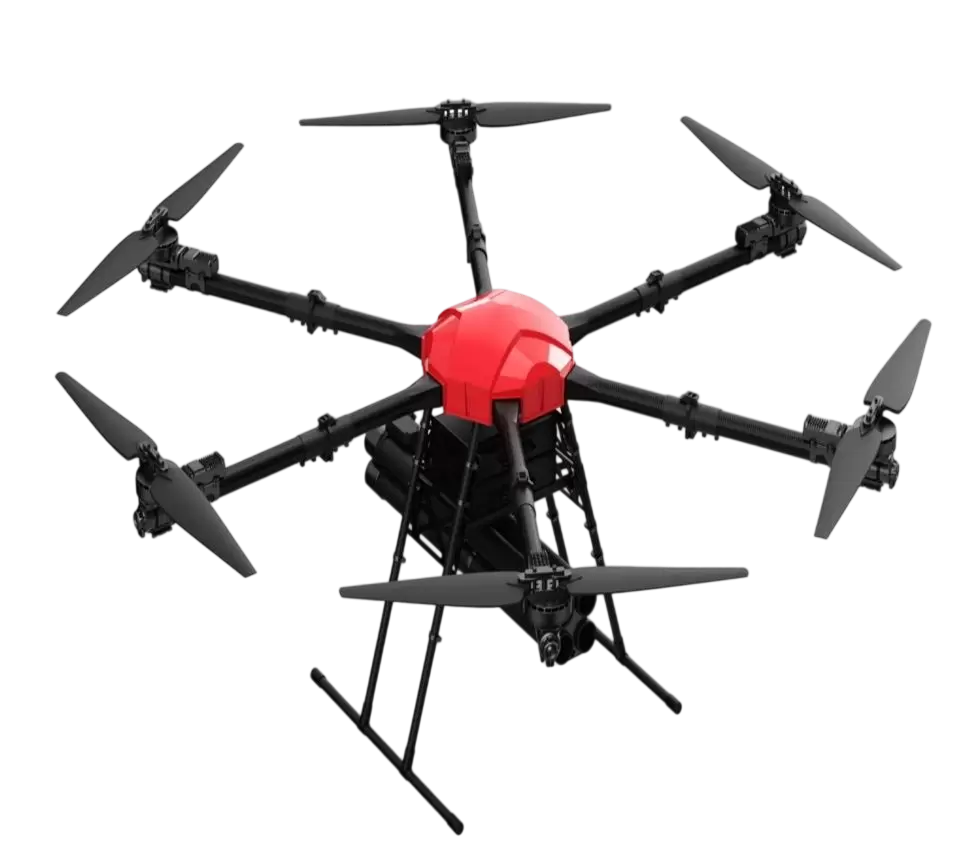
In modern precision agriculture, chemical application is no longer a manual or tractor-only operation. The rapid adoption of unmanned aerial systems has transformed crop spraying into a data-driven, high-efficiency process. Among these technologies, Multi-rotor Drone Agriculture platforms have become one of the most widely deployed solutions for variable terrain, fragmented farmland, and high-frequency seasonal spraying tasks.
Unlike fixed-wing systems, multi-rotor agricultural drones provide vertical takeoff, hovering capability, and precise low-altitude maneuverability, making them particularly suitable for targeted pesticide and fertilizer application.
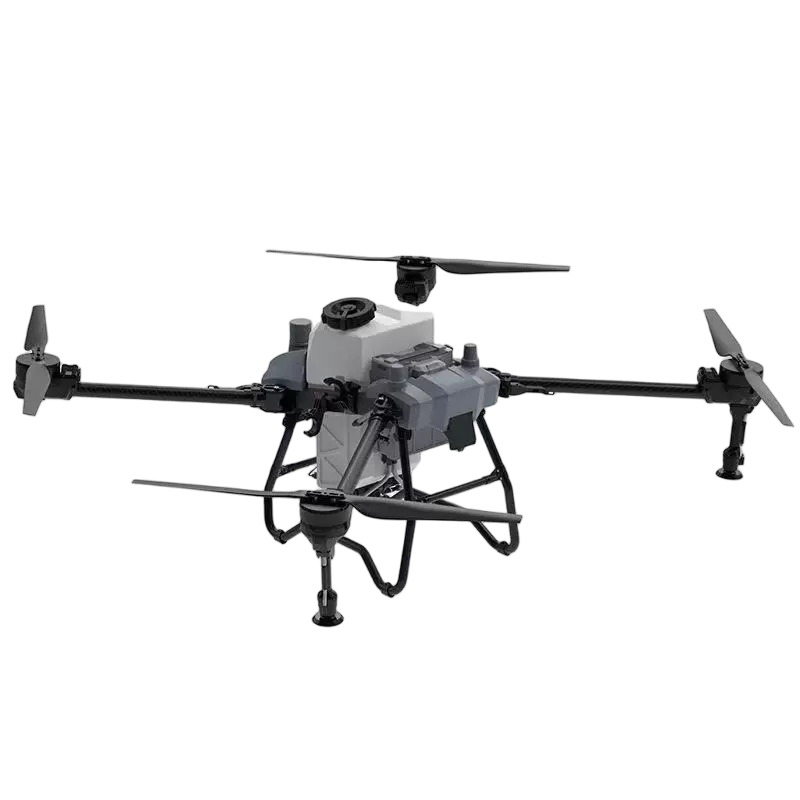
However, operational success depends not only on flight capability but also on system-level engineering performance, including payload stability, motor efficiency, spray uniformity, and flight control accuracy.
Why Multi-rotor Systems Dominate Precision Agriculture Applications
Multi-rotor platforms are preferred in agricultural environments because of their ability to operate in constrained and irregular fields. Typical advantages include:
- Vertical takeoff and landing without runway requirements
- Stable hovering for targeted spraying
- High maneuverability in complex terrain
- Adjustable flight path for variable crop density
In real-world farming conditions, fields are often fragmented, uneven, and obstructed by terrain variations. Fixed-wing drones struggle in such environments, while multi-rotor systems maintain operational consistency.
Payload Stability and Spray System Control
One of the most critical engineering challenges in agricultural drone systems is maintaining stable payload distribution during flight.
A typical Multi-rotor Drone Agriculture platform carries:
- Liquid pesticide tanks (10–50 liters depending on model class)
- Pump systems with variable flow control
- Nozzle arrays for atomization
Key performance factors include:
- Center-of-gravity stability during liquid consumption
- Flow rate consistency (often 0.5–2.5 L/min depending on application density)
- Droplet size control (typically 50–200 microns for optimal crop coverage)
As the liquid level decreases during operation, imbalance can occur. Advanced systems compensate through:
- Real-time flight controller adjustment
- Multi-channel pump balancing
- Dynamic motor thrust redistribution
This ensures consistent spray coverage from start to end of each mission.
Brushless Motor System: The Core of Flight Efficiency
In agricultural drone systems, propulsion is the foundation of operational stability. High-performance brushless motors determine:
- Payload capacity
- Flight duration
- Wind resistance capability
- Energy efficiency per hectare covered
Modern agricultural drones typically rely on high-torque brushless motors designed for:
- Continuous load operation
- High thermal resistance under dust and humidity
- Stable RPM output under varying payload conditions
Jiangxi BonSure Technology Co., Ltd., specializing in high-performance brushless power systems and drone platforms, focuses on optimizing motor efficiency for demanding applications such as agricultural spraying and rescue operations. Their systems are engineered to maintain stable thrust output even under variable load conditions, which is critical for precision agriculture.
Flight Control Precision in Agricultural Environments
Agricultural spraying requires extremely precise flight path control to avoid:
- Overlapping pesticide application
- Missed crop zones
- Excess chemical usage
- Environmental contamination
Typical flight parameters include:
- Altitude: 1.5–4 meters above crop canopy
- Speed: 3–8 m/s depending on crop density
- Spray swath width: 3–6 meters
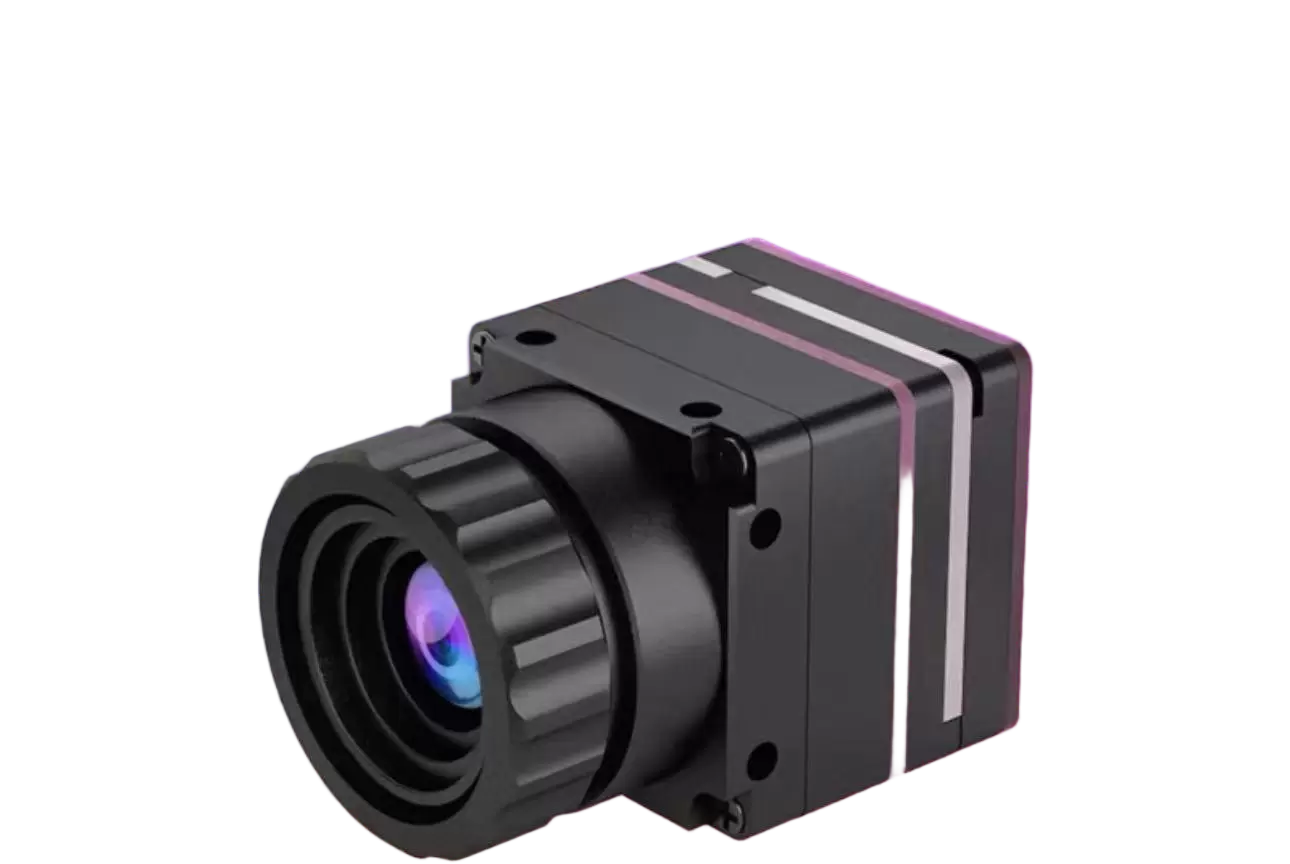
Advanced flight controllers integrate:
- RTK GPS positioning (centimeter-level accuracy)
- Terrain-following radar
- Real-time wind compensation algorithms
This ensures consistent spray density even in uneven terrain or sloped farmland.
Wind Resistance and Environmental Adaptability
Agricultural environments often involve unpredictable wind conditions, dust, and humidity. Multi-rotor drones must maintain stability under:
- Crosswinds up to 5–8 m/s in typical operational conditions
- Temperature variations affecting battery and motor performance
- Dust exposure during pesticide application
Motor responsiveness and flight control algorithms work together to maintain stable positioning during spraying missions.
Operational Efficiency and Coverage Optimization
A major advantage of Multi-rotor Drone Agriculture systems is their ability to significantly improve field coverage efficiency.
Compared to manual spraying:
- Coverage efficiency can increase by 10–20x
- Chemical usage can be reduced by 20–30% through precision application
- Labor cost is significantly reduced
This is achieved through:
- Automated flight path planning
- Optimized spray nozzle calibration
- Consistent altitude control
Conclusion
Modern Multi-rotor Drone Agriculture systems are not simply aerial spraying tools—they are integrated precision farming platforms combining propulsion engineering, fluid dynamics control, and intelligent flight systems.
Key performance pillars include:
- Stable payload and spray control
- High-efficiency brushless motor systems
- Precision flight path management
- Environmental adaptability
As agricultural automation continues to evolve, multi-rotor drones are becoming a core tool for improving productivity, reducing resource waste, and enabling scalable precision farming operations.