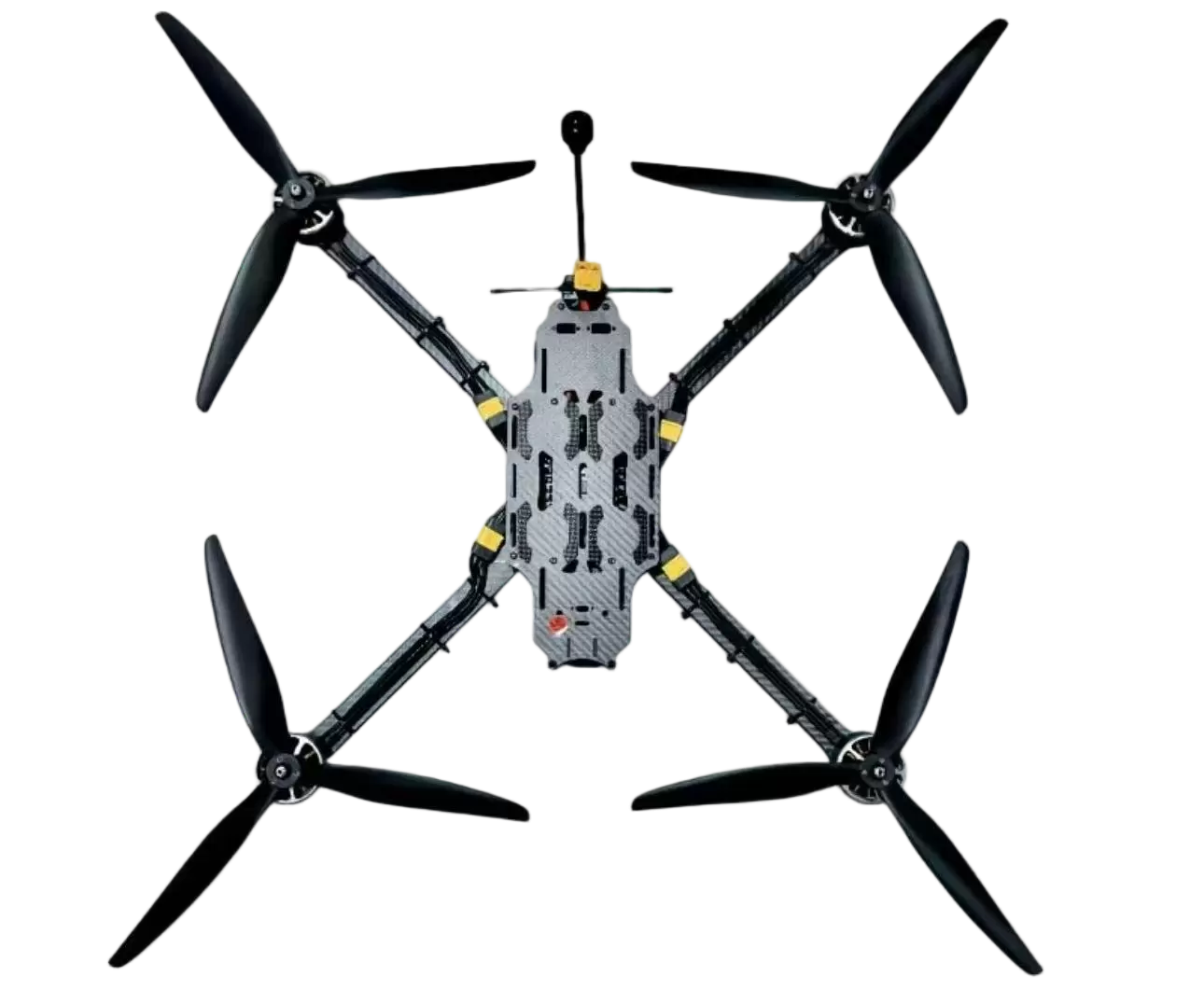
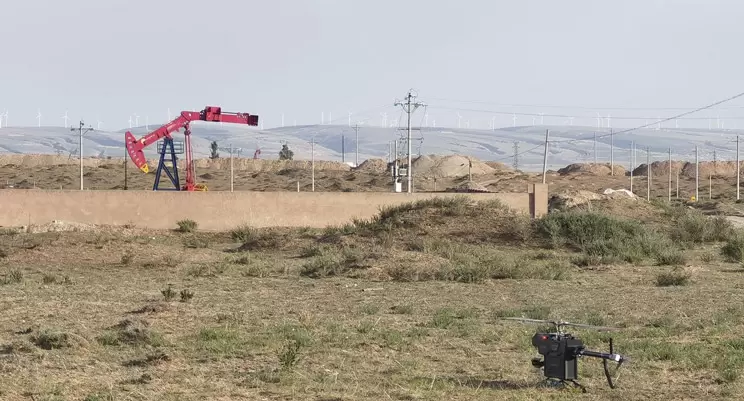
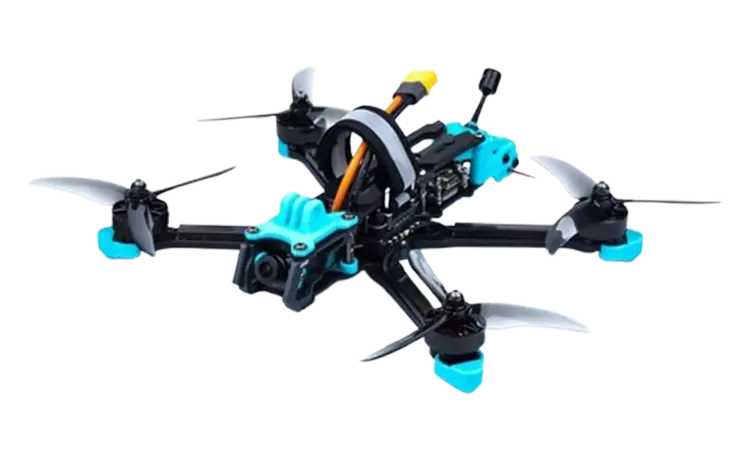
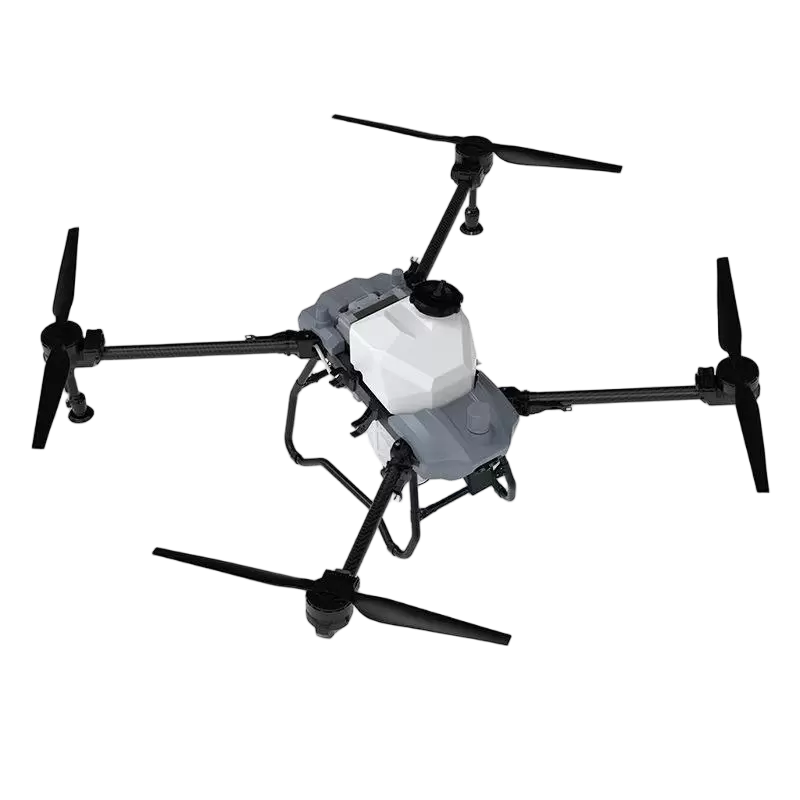
Large-scale agricultural operations demand consistent, repeatable, and high-efficiency crop management solutions. Traditional ground-based spraying systems often struggle with terrain limitations, labor dependency, and inconsistent application quality. In contrast, Multi-rotor Drone Agriculture platforms provide scalable aerial solutions that significantly improve operational efficiency and resource utilization.
This article focuses on system-level performance factors that determine success in industrial agricultural deployment.
Scaling Agricultural Operations with Multi-rotor Systems
In large farms, efficiency is measured not only in speed but also in uniformity and repeatability. Multi-rotor drones enable:
- Parallel fleet operations across large fields
- Automated mission planning across multiple zones
- Reduced dependency on manual labor scheduling
Typical deployment strategies involve:
- Multiple drones operating in coordinated flight zones
- Centralized control systems for mission allocation
- Battery rotation systems for continuous operation
Endurance and Energy Optimization
Flight endurance is one of the most critical limitations in agricultural drone systems.
Key influencing factors include:
- Battery energy density
- Motor efficiency under load
- Payload weight distribution
- Flight speed and environmental resistance
Typical agricultural drones achieve:
- 10–25 minutes of flight per battery cycle depending on payload
- 8–15 hectares per hour coverage in optimized conditions
Energy optimization strategies include:
- Lightweight structural materials
- High-efficiency brushless motor systems
- Intelligent thrust balancing algorithms
Jiangxi BonSure Technology Co., Ltd. develops propulsion systems designed to maximize energy efficiency while maintaining stable thrust output under agricultural load conditions, improving both endurance and operational consistency.
Precision Application in Variable Crop Environments
Large-scale farms often contain multiple crop types and varying growth stages. Uniform spraying is not always optimal.
Modern Multi-rotor Drone Agriculture systems support:
- Variable-rate spraying (VRA)
- Section-based application control
- Crop density-based adjustment
This ensures:
- Reduced chemical overuse in low-density zones
- Increased protection in high-density crop areas
- Improved environmental sustainability
Fleet Coordination and Operational Workflow
In industrial farming, drones are rarely used individually. Instead, they operate as coordinated fleets.
Key system features include:
- Centralized mission control software
- Real-time telemetry monitoring
- Automated return-to-charge systems
- Dynamic task reassignment
This enables continuous operation across large agricultural zones without manual intervention for each mission cycle.
System Reliability in Agricultural Conditions
Agricultural environments present unique challenges:
- Dust and particulate exposure
- Chemical corrosion from pesticides
- High humidity and temperature variation
To ensure long-term reliability, systems must include:
- Sealed motor housings
- Corrosion-resistant coatings
- Redundant control systems
- High-durability propulsion components
Conclusion
The evolution of Multi-rotor Drone Agriculture is reshaping large-scale farming through automation, precision application, and system-level efficiency improvements.
Key engineering priorities include:
- High-endurance propulsion systems
- Fleet-based operational control
- Precision variable-rate spraying
- Environmental resilience
With advanced motor and drone system development from companies like Jiangxi BonSure Technology Co., Ltd., agricultural UAV systems are increasingly capable of supporting large-scale, data-driven farming operations.