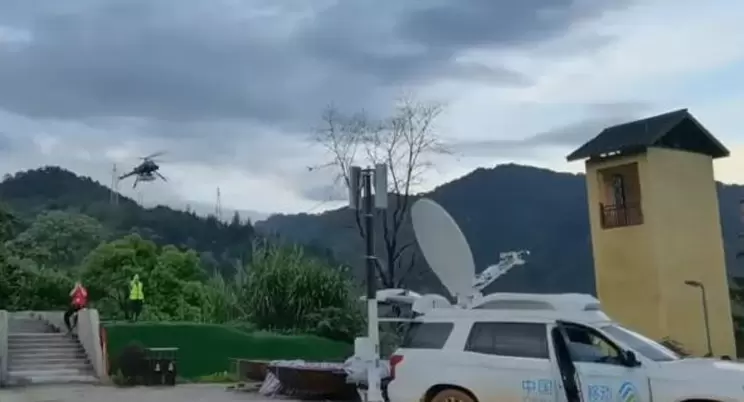
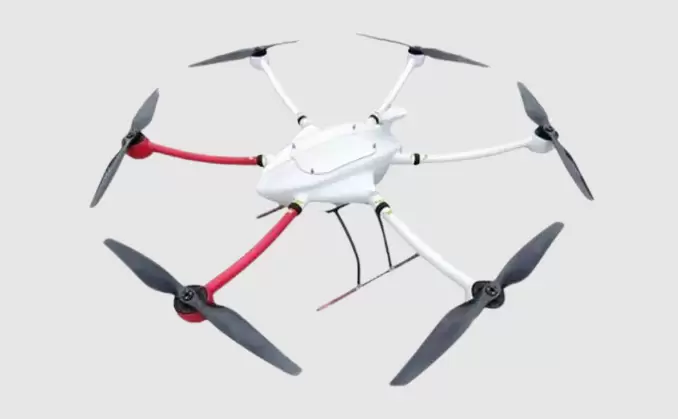
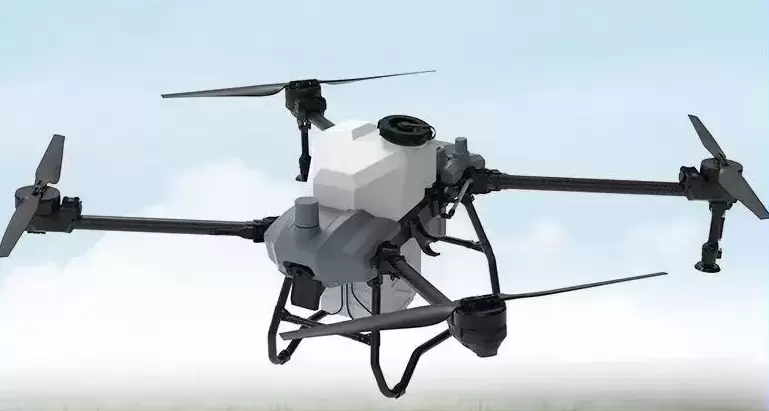
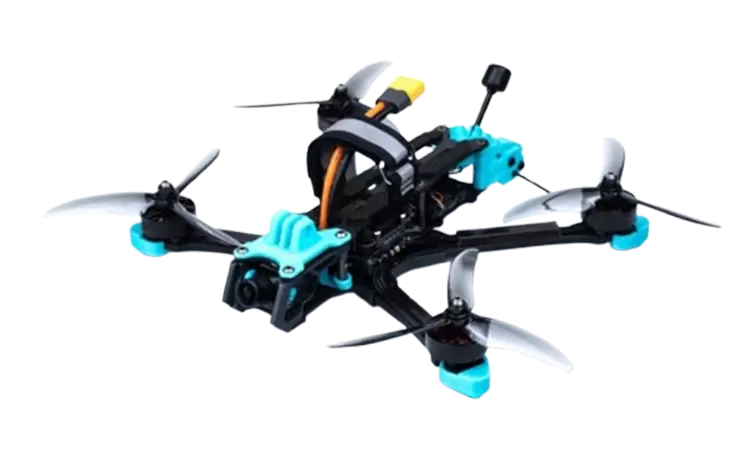
Forestry management is entering a new era driven by advanced unmanned aerial technologies. Among the most promising innovations are Forestry FPV (First-Person View) drones, which provide real-time, immersive aerial perspectives for monitoring forests. By combining agility, high-resolution imaging, and powerful propulsion systems, FPV drones are transforming how professionals assess tree health and track wildlife across vast and complex terrains.
As environmental pressures increase—from climate change and pest outbreaks to habitat loss—forestry teams need faster, more accurate tools. Forestry FPV drones offer a powerful solution.
The Growing Need for Smarter Forest Monitoring
Traditional forest assessment methods rely heavily on ground surveys and manual inspections. While accurate, these approaches are time-consuming, labor-intensive, and sometimes hazardous. Dense vegetation, rugged terrain, and unpredictable wildlife conditions make fieldwork challenging.
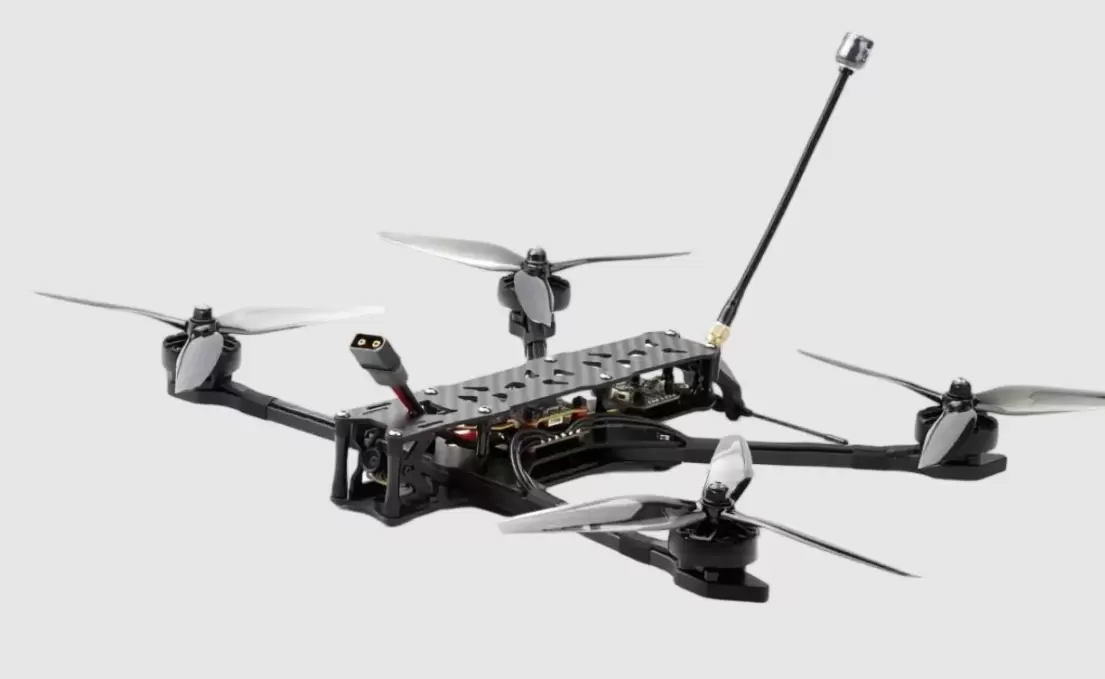
Satellite imagery and conventional drones have improved data collection, but they often lack the flexibility and close-range maneuverability required for detailed inspections. Forestry FPV drones bridge this gap by enabling operators to navigate beneath tree canopies, between branches, and along forest corridors with precision and control.
Enhancing Tree Health Assessment with FPV Technology
Forestry FPV drones significantly improve the efficiency and accuracy of tree health evaluations in several ways:
1. Close-Range Canopy Inspection
Unlike traditional aerial drones that typically operate at higher altitudes, FPV drones can fly closer to tree crowns. This allows forestry professionals to identify:
Early signs of pest infestations
Fungal infections
Leaf discoloration
Structural damage from storms
With high-definition cameras and real-time video transmission, operators can conduct detailed inspections without climbing trees or using heavy equipment.
2. Early Detection of Disease and Stress
Multispectral or thermal imaging systems integrated into FPV drones can detect subtle changes in temperature and reflectance patterns. These variations often indicate:
Water stress
Nutrient deficiencies
Root damage
Disease progression
Early detection enables proactive treatment, reducing the spread of disease and preserving overall forest health.
3. Rapid Large-Scale Surveys
Forestry FPV drones are highly agile and capable of covering large forest areas quickly. Their speed and maneuverability make them ideal for:
Post-storm damage assessments
Fire impact evaluations
Pest outbreak monitoring
Compared to traditional field teams, drone-based surveys dramatically reduce inspection time and operational costs.
Improving Wildlife Tracking and Habitat Monitoring
Beyond tree health, Forestry FPV drones play a crucial role in wildlife conservation and research.
1. Non-Intrusive Wildlife Observation
FPV drones can be equipped with quiet propulsion systems to minimize disturbance. This is particularly important for monitoring sensitive or endangered species. Real-time video allows researchers to observe animal behavior without direct human interference.
2. Thermal Imaging for Night Tracking
Many wildlife species are nocturnal or elusive. Thermal cameras mounted on FPV drones help locate animals in dense vegetation or low-light conditions. This capability enhances:
Population monitoring
Migration tracking
Anti-poaching patrols
By improving visibility in challenging environments, forestry teams gain a more complete understanding of ecosystem dynamics.
3. Habitat Mapping and Biodiversity Studies
FPV drones enable detailed mapping of forest structures, water sources, and nesting areas. These insights support biodiversity assessments and conservation planning.
High-precision data collection allows forestry managers to design more effective habitat restoration and protection strategies.
The Importance of High-Performance Brushless Power Systems
The effectiveness of Forestry FPV drones depends heavily on their propulsion systems. High-performance brushless motors provide:
Greater power efficiency
Stable flight control
Extended flight time
Enhanced durability in harsh environments
Reliable motors are especially critical when operating in forests, where wind shifts, obstacles, and elevation changes demand responsive and stable flight performance.
Supporting Forestry Innovation with Advanced Drone Manufacturing
Companies like Jiangxi BonSure Technology Co., Ltd play an essential role in advancing drone capabilities. As a comprehensive enterprise integrating production and export, Jiangxi BonSure Technology specializes in the research, development, and manufacturing of firefighting rescue drones and related accessories.
Their product portfolio includes high-performance brushless power systems and advanced unmanned aerial platforms designed for demanding environments. The company is committed to designing and manufacturing high-quality, high-efficiency brushless motors and drones that deliver stability, power, and reliability—qualities that are equally valuable in forestry applications.
While originally focused on emergency rescue and firefighting drones, the same robust engineering standards and propulsion technologies are highly adaptable to forestry FPV drones. Strong thrust output, optimized energy efficiency, and durable construction ensure consistent performance in rugged forest conditions.
Safety and Environmental Benefits
Using Forestry FPV drones also enhances operational safety. By reducing the need for tree climbing, helicopter surveys, or extensive ground patrols, organizations can:
Lower accident risks
Decrease labor intensity
Reduce carbon emissions compared to manned aircraft
Moreover, drone-based monitoring supports sustainable forest management by enabling data-driven decisions that protect long-term ecosystem health.
The Future of Forestry FPV Drones
As sensor technology, battery efficiency, and AI-powered analytics continue to evolve, Forestry FPV drones will become even more powerful tools. Future developments may include:
Automated disease recognition through machine learning
Real-time forest carbon stock estimation
Swarm drone coordination for rapid area coverage
With continued innovation in brushless motor systems and drone engineering, the forestry sector is well-positioned to adopt smarter, more sustainable monitoring practices.
Conclusion
Forestry FPV drones are revolutionizing tree health assessment and wildlife tracking by combining agility, real-time imaging, and advanced propulsion technology. They provide safer, faster, and more accurate insights into forest ecosystems.
Backed by strong engineering expertise and high-performance brushless power systems—such as those developed by Jiangxi BonSure Technology Co., Ltd—these drones represent a powerful step forward in modern forestry management. As environmental challenges intensify, adopting advanced FPV drone solutions will be key to protecting forests and preserving biodiversity for future generations.