FPV racing pushes drone technology to its limits. Pilots must make rapid decisions while navigating tight gaps, sudden turns, and unpredictable outdoor environments. In this world, a camera is not simply an accessory—it is the pilot’s vision system, determining how quickly and accurately they can react. For competitive flying, low latency, clarity, and stability are not optional features but essential requirements.
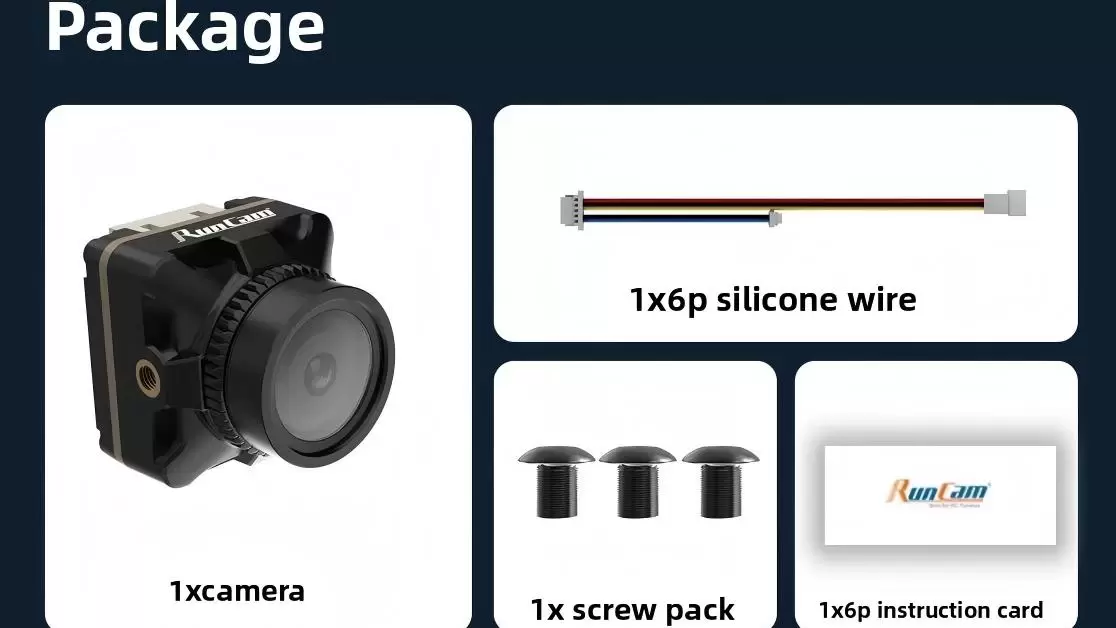
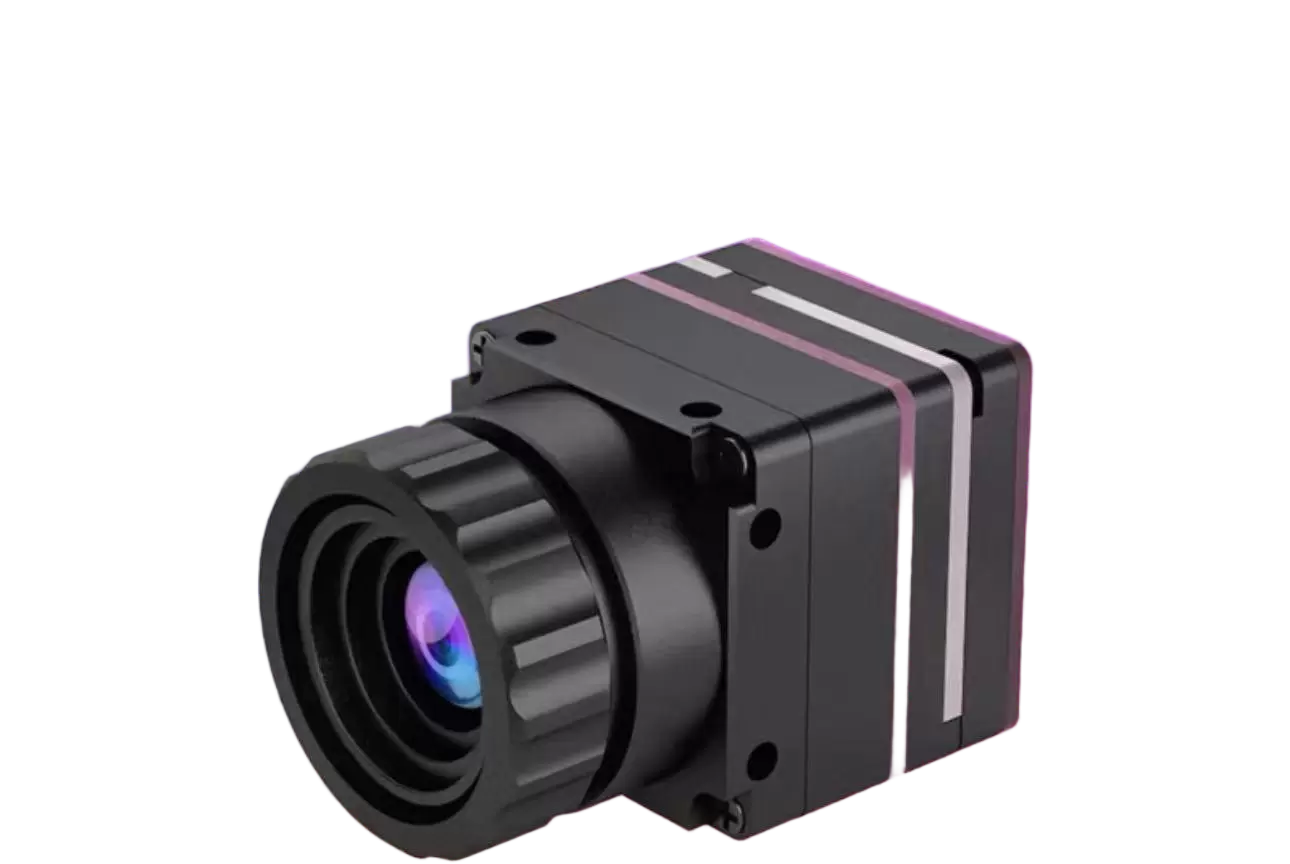
The RunCam Phoenix 2 SE V3 enters this landscape as a meaningful upgrade that directly improves what FPV racers care about most: real-time response, image clarity, low-light visibility, and stability during high-speed movement. Paired with the engineering expertise of Jiangxi BonSure Technology, a manufacturer deeply involved in drone R&D and brushless power systems, the Phoenix 2 SE V3 demonstrates how modern FPV imaging continues to evolve toward higher performance and reliability.
This article takes an in-depth look at what makes the Phoenix 2 SE V3 a breakthrough for FPV pilots and why its combination of ultra-low latency, enhanced visibility, and robust durability sets a new benchmark for racing drones.
Ultra-Low 1.8ms Latency: The Advantage Every Racer Feels
The most significant improvement in the Phoenix 2 SE V3 is its ultra-low 1.8ms latency, which is noticeably faster than the previous V2 model. In FPV racing, milliseconds have real consequences. A faster response directly affects:
Pilot reaction time
Overall control precision
Ability to correct trajectory instantly
Performance in tight, technical racing tracks
When flying through gates at high speed, pilots cannot afford signal delays. A camera that responds faster enables a more natural connection between drone movement and pilot input. The Phoenix 2 SE V3 reduces visual lag to nearly imperceptible levels, giving racers the confidence to make aggressive maneuvers, skim obstacles, and push their limits without hesitation.
1200TVL Image Clarity for Better Track Visibility
Resolution plays a central role in FPV performance, especially in environments with complex backgrounds such as trees, branches, and reflective surfaces. The Phoenix 2 SE V3 delivers 1200TVL clarity, offering sharper details and more accurate color separation.
Clearer visuals help pilots:
Identify upcoming gates earlier
Avoid small obstacles often missed by lower-resolution cameras
Fly with better spatial awareness
Maintain consistent performance across changing environments
This clarity becomes even more important during competitive events where lighting conditions may shift quickly—from open fields with bright sunlight to shaded technical sections.
0.0001 Lux Starlight Night Vision: Expanding the Flying Window
FPV racing is no longer limited to daylight hours. Many pilots practice or compete in low-light conditions, whether during early morning sessions, evening races, or indoor environments. With 0.0001 lux starlight performance, the Phoenix 2 SE V3 allows racers to maintain visibility even when light levels drop significantly.
Practical benefits include:
More stable shadows and highlights
Better visibility in dim or uneven lighting
Less noise and distortion compared to standard low-light cameras
This opens the door for night racing, indoor tracks, and low-light freestyle sessions where detail is still critical for safe and precise flying.
Anti-Interference Shielding for Stable Flight Video
Interference is a persistent challenge in FPV systems. High-power brushless motors, active electronics, and metal structures can create noise that affects the video feed. For companies like Jiangxi BonSure Technology, which specializes in brushless power systems and fire-rescue drones, solving interference challenges is part of daily engineering practice.
The Phoenix 2 SE V3 integrates anti-interference shielding, helping maintain clean video even in high-load, high-throttle scenarios. This is especially beneficial when racing drones with high-output motors or when flying in environments with multiple signal sources.
A stable video feed ensures:
Less flicker
Reduced noise
More consistent visibility during rapid throttle punches
Better performance in long-range or high-speed flights
This is essential not only for racers but also for industrial UAV applications where signal reliability is a priority.
Compact 19×19mm Build for Easy Installation
The 19×19mm form factor has become a popular standard in FPV racing frames. The Phoenix 2 SE V3 adopts this compact build, allowing it to fit:
micro racing drones
3–5 inch competition frames
lightweight long-range builds
custom UAV projects
The small size keeps the camera lightweight while still providing enough structural strength to withstand crashes. For pilots who frequently swap frames or upgrade systems, the compact size simplifies installation and cable routing.
Wide 5V–30V Voltage Range for Better Compatibility
One of the most overlooked advantages of the Phoenix 2 SE V3 is its wide input voltage range of 5V–30V. This gives pilots greater freedom when selecting power systems and simplifies wiring during build configurations.
Benefits include:
Compatible with flight controllers, VTX units, and power setups of different types
Supports direct battery connection on certain builds
Ensures voltage stability during throttle spikes or sudden acceleration
Reduces the risk of camera shutdowns mid-flight
This level of flexibility is especially valuable for pilots who experiment with different race setups or who build custom UAV systems for specialized use cases.
The Role of Imaging in Fire and Rescue Drone Development
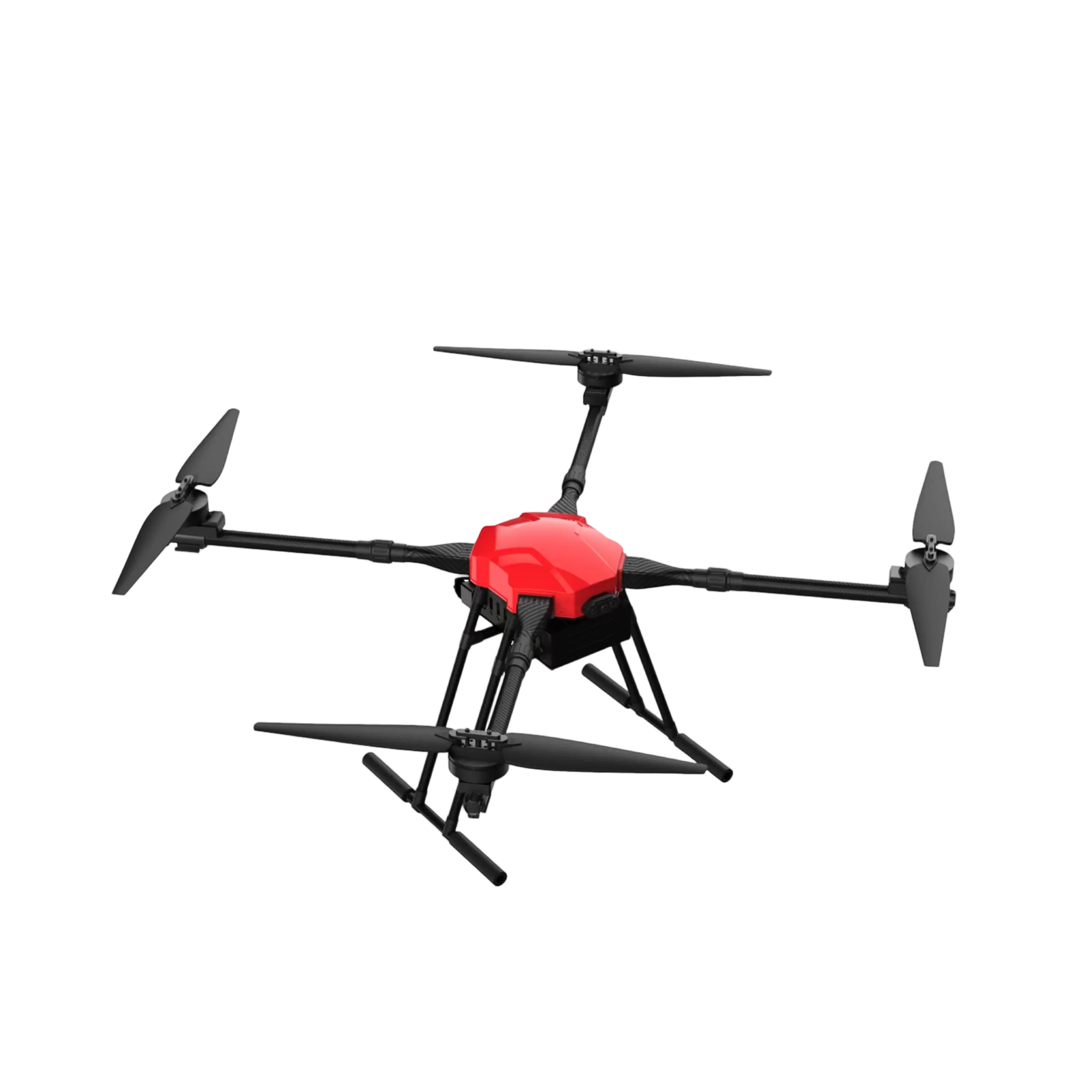
Although the Phoenix 2 SE V3 is widely adopted in FPV racing, its characteristics align closely with imaging needs in professional drone applications—an area where Jiangxi BonSure Technology has years of industry experience.
In fire and rescue drones, imaging systems must maintain:
real-time responsiveness
clear visibility under smoke or low-light conditions
strong anti-interference performance
durability in unpredictable environments
The technologies used in racing-grade cameras like the Phoenix 2 SE V3 complement the requirements of professional UAV systems. This synergy between competitive FPV innovation and industrial UAV development contributes to a more robust ecosystem for modern drone design.
Why the Phoenix 2 SE V3 Matters for the Future of FPV Racing
FPV racing continues to evolve. Tracks are faster, environments more complex, and pilot expectations higher than ever. The Phoenix 2 SE V3 meets these increasing demands with upgrades that directly improve pilot performance:
Faster response
Clearer imaging
Enhanced low-light visibility
Stronger interference resistance
Greater compatibility with modern drone builds
Its design reflects an understanding of what pilots need during real-world racing, not just ideal conditions. This practical focus is what makes the camera stand out in a crowded FPV market.
Conclusion
The RunCam Phoenix 2 SE V3 is more than an incremental upgrade—it is a tool that empowers FPV racers to fly faster, react sooner, and maintain better visual stability in challenging environments. With ultra-low 1.8ms latency, 1200TVL resolution, starlight night vision, anti-interference shielding, and compact adaptable design, it addresses the most critical needs in competitive drone racing.
Supported by the industry experience of Jiangxi BonSure Technology, known for its work in fire and rescue drones and brushless power systems, the Phoenix 2 SE V3 represents a meaningful step forward for both hobbyist racers and serious UAV builders.