A 15-inch FPV drone can look impressive on a spec sheet, but professional buyers—especially in fire and rescue—care about something different: whether the platform behaves predictably when the environment is messy. Smoke reduces visibility, debris creates navigation risk, and electromagnetic noise can weaken conventional communication. In those conditions, “fast” and “powerful” aren’t enough. What matters is mission readiness: stable control, dependable transmission, and a payload system that supports real tasks.
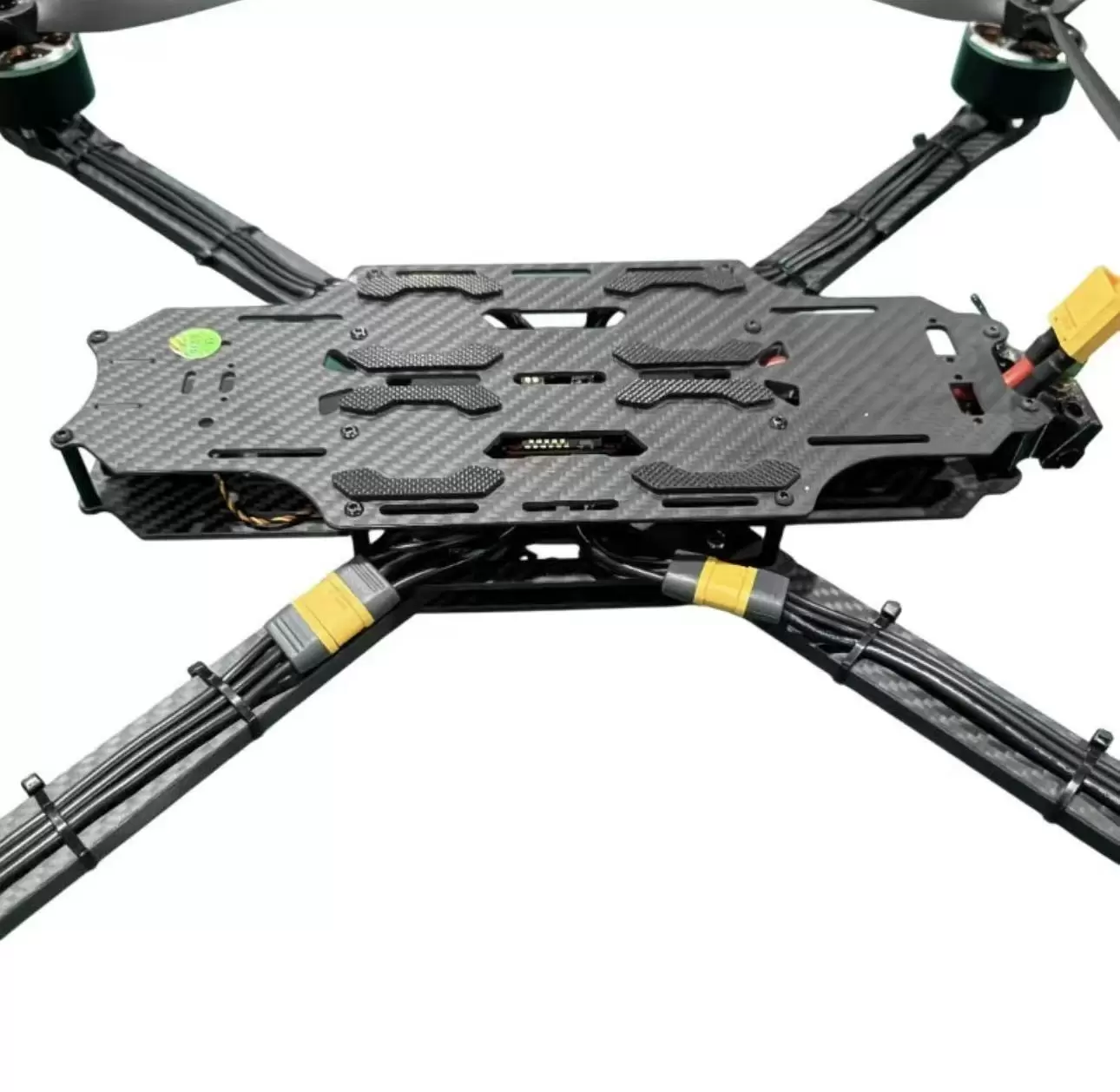
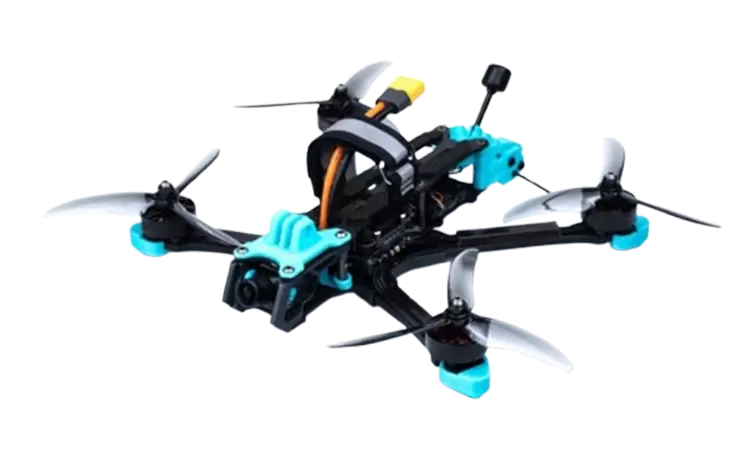
That’s the lens to view BonSure Technology’s 15-inch FPV Drone with AI Guidance and Fiber Optic Transmission. It’s built around a carbon fiber structure, supports a maximum payload of 8 kg, and is rated for a never-exceed speed of 130 km/h, with a 0° arm mounting angle—details that suggest the design prioritizes controllability and load handling, not just agility.
Why “fiber optic transmission” changes the conversation for FPV missions
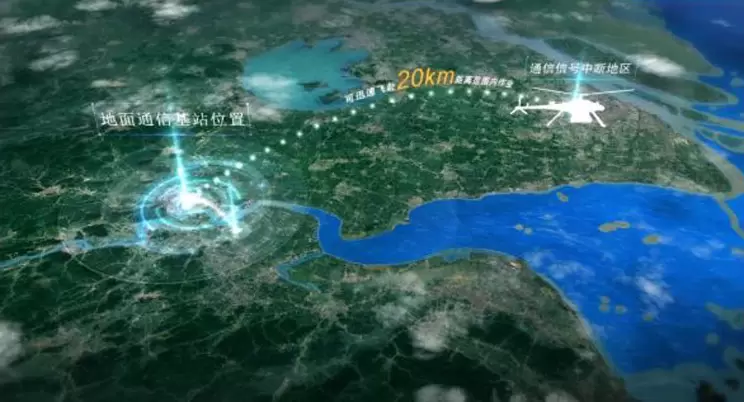
Most FPV platforms depend on RF links for control and video. That works well in open environments—but real rescue scenes can be unfriendly to RF. Metal structures, dense infrastructure, and unpredictable electromagnetic activity can degrade signals or create unstable latency.
A fiber optic transmission link is fundamentally different: it provides a physical path for communication rather than relying on airspace conditions. For professional operators, that can mean:
More predictable signal behavior in difficult environments
Reduced vulnerability to electromagnetic interference
Stable control response that supports precise maneuvering
In mission work, signal stability is not a luxury feature—it’s a safety requirement. The value becomes obvious when an operation depends on navigating tight spaces or flying near hazards where a brief control loss can end the mission.
Payload thinking: 8 kg is not just “more,” it’s “different”
An 8 kg maximum payload moves the drone into a different operational category. It’s no longer limited to a small camera and lightweight add-ons. Instead, it can support practical mission modules, for example:
Specialized sensor packages (thermal imaging, gas detection, situational awareness payloads)
Communication or lighting payloads for low-visibility environments
Delivery of lightweight emergency items to a specific point
Task-specific accessories used by rescue teams in controlled scenarios
The key is not simply that it can lift more—it's that payload headroom helps maintain stable handling and reduces stress when the mission requires extra equipment.
Carbon fiber body: durability and vibration control for repeat deployments
Rescue and emergency drones are not flown like hobby drones. They are deployed quickly, handled by multiple operators, transported frequently, and sometimes exposed to harsh environments.
A carbon fiber body helps in two practical ways:
Structural durability: better resistance to repeated handling and field conditions
Vibration stability: reduced flex and better stiffness help keep flight behavior consistent, especially when carrying heavier loads
This matters if the drone is used as part of a regular operational toolkit rather than occasional demonstrations.
Speed as a response tool, not a marketing number
The drone’s 130 km/h never-exceed speed is best understood as an indicator of power margin. In mission use, a high top-end capability often correlates with:
Better control authority in wind or turbulence
Faster response when a situation changes
Strong acceleration and climb performance under load
A drone with adequate speed margin can stay stable while carrying payloads and still maintain controllability when operators need to reposition quickly.
What the 0° arm mounting angle suggests
A 0° arm mounting angle generally indicates a design that leans toward stable, predictable thrust alignment rather than aggressive forward-tilt flight bias. For mission platforms, this can be beneficial because:
The drone can hover and hold position more naturally
Control behavior remains consistent at different payload weights
Operator input can be more precise in tight or obstacle-rich environments
It supports the idea that the platform is aimed at controlled flight and task execution.
AI guidance: reducing workload during complex operations
In the field, operators are often juggling more than piloting—communicating with teams, monitoring hazards, and responding to changing conditions. AI guidance can act as a support layer to improve stability and reduce workload.
In real workflows, AI assistance is most valuable when it:
Helps maintain stable flight lines
Improves predictability in visually degraded conditions
Supports smoother control under stress
This doesn’t remove the need for a skilled operator. It improves the chance that skilled operators can keep flight performance consistent when the mission gets complicated.
How professional teams think about “a drone system,” not just a drone
Fire and rescue teams rarely buy a drone as a single item. They build a system. When evaluating a 15-inch FPV drone like this, teams typically consider:
Deployment readiness
Can it be launched quickly? Is setup repeatable?Link reliability
Does the communication method support the environments you operate in?Payload ecosystem
Can you adapt the platform to different mission types without redesign?Training and operating consistency
Can multiple operators reach reliable performance quickly?Manufacturer capability
Can the supplier support ongoing demand, accessories, and iterative improvements?
BonSure Technology’s positioning as an integrated manufacturer with long experience in brushless power systems and rescue drones speaks to the “system” mindset: powertrain, airframe, and mission accessories are designed within one supply chain rather than assembled from unrelated parts.
Where this platform fits best
Based on its structure and positioning, a 15-inch FPV drone with AI guidance and fiber optic transmission fits best in scenarios where:
Communication reliability is a major risk factor
Payload flexibility is needed for mission tools
Fast repositioning and stable control both matter
Operations are repeated over time, not one-off use
In other words: environments where dependable execution matters more than recreational features.